

Beijing’s Aggressive Campaign Against Japan’s Iron Lady Backfires
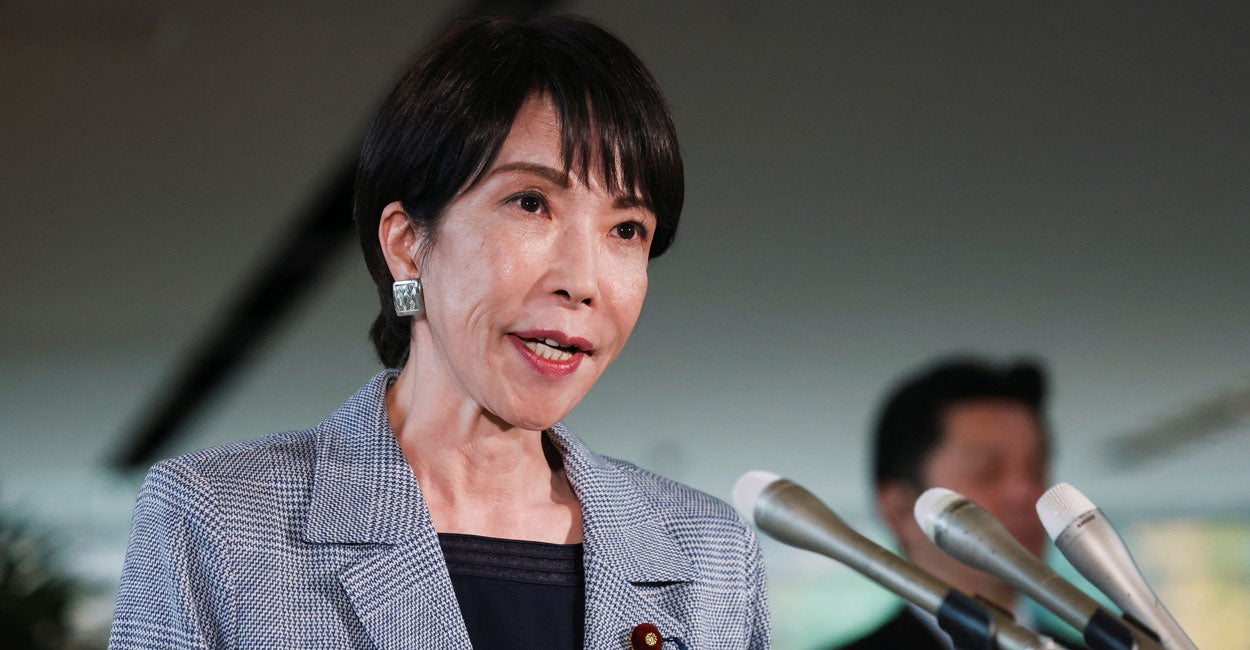
Communist China and Japan have been engaging in a serious diplomatic dispute over Taiwan for almost a month. While Japan strives to de-escalate tensions, China’s aggressive stance—particularly toward newly-elected Prime Minister Sanae Takaichi—only heightens concerns.
Live Your Best Retirement
Fun • Funds • Fitness • Freedom
Takaichi made history as Japan’s first female prime minister in late October, drawing parallels to Margaret Thatcher, the former British prime minister. Both women emerged from working-class backgrounds to reach the zenith of political power. They are recognized for their strong work ethic, decisive leadership, and unwavering commitment to conservative values.
On Nov. 7, Takaichi was asked by an opposition lawmaker in parliament about the potential threat of a Chinese invasion of Taiwan. She responded that such an action would pose a “survival-threatening situation” for Japan, according to the country’s 2015 security law. In this critical context, Japan’s constitution allows for the mobilization of defense forces. However, Takaichi also emphasized Japan’s longstanding policy on Taiwan focusing on a peaceful resolution.
Takaichi’s statement echoes a decade of Japanese government policy. Her mentor, former Prime Minister Shinzo Abe, emphasized that “a Taiwan emergency is a Japan emergency.” This is due to the proximity of several Japan-controlled islands, including the disputed Senkaku Islands (known as the Diaoyu Islands in China) are located about 60 miles from Taiwan. This close distance means that if China were to attack Taiwan, Japan’s national security would likely be impacted.
Tokyo’s security concerns deepened in 2022 when the Chinese People’s Liberation Army conducted live-fire military exercises near Taiwan in direct response to U.S. House Speaker Nancy Pelosi’s visit. Five PLA ballistic missiles landed in controlled waters, triggering a decisive shift in Japanese public sentiment toward prioritizing defense spending.
Beijing’s insistence that its actions regarding Taiwan are purely internal affairs has led to a range of aggressive responses to Takaichi’s suggestion of possible Japanese military involvement. Xue Jian, China’s consul general in Osaka, Japan, threatened to sever Takaichi’s “filthy neck” on X.com. Although he deleted his post following wide condemnation, neither Xue nor the Chinese government has issued an apology. Instead, China has repeatedly demanded that Takaichi retract her comments, warning of a “crushing defeat” if Japan intervenes regarding Taiwan.
Despite X.com being banned in China, the Chinese foreign ministry has been waging a “war of words” on the platform under its official account, warning “Whoever dares to challenge China’s bottom line will face a resolute, head-on blow and be shattered against the great wall of steel forged by 1.4 billion people.”
Beijing followed its warnings with various pressure campaigns, including sending four coast guard vessels into Japanese waters near the disputed Senkaku Islands, suspending imports of Japanese seafood, seafood, advising Chinese citizens not to travel to Japan, and ordering China’s major airlines to cancel flights to Japan. Chinese authorities even abruptly canceled several scheduled performances by Japanese artists in China. Following Beijing’s lead, Hong Kong has halted engagements with the Japanese Consulate.
Despite Beijing’s aggressive tactics, Takaichi has upheld her “iron lady” reputation, standing firm in her position. At the same time, she has sought to ease tensions by sending a senior official to Beijing and resisting calls to expel Chinese diplomat Xue.
Yet, China continues to escalate. Chinese U.N. Ambassador Fu Chong opposes Japan’s bid for a permanent Security Council seat, calling Takaichi’s remarks on Taiwan “totally unqualified.” He warns in a letter to U.N. Secretary-General António Guterres that any armed intervention by Japan in the Taiwan Strait would be seen as aggression, asserting that China will defend its sovereignty under international law.
Still, recent developments indicate that Beijing’s aggressive campaigns against Japan may have backfired. Instead of backing down under Beijing’s pressure, her government is moving forward to deploy a medium-range surface-to-air missile unit on Yonaguni, an island just 68 miles off Taiwan’s east coast, to boost Japan’s national defense. Takaichi’s unyielding style earns her strong public support in Japan.
Asian neighbors also welcome Japan playing a bigger role in regional security. Singapore’s Prime Minister, Lawrence Wong, noted in a public forum, “All Southeast Asian countries endorse Japan’s expanded role in our region, especially in terms of security, as it significantly enhances stability.” Wong clearly understands that China’s aggressive stance toward Japan reveals the risks of a China-dominated world order to other nations.
In his appeal to France, Wang Yi, China’s Minister of Foreign Affairs, sought condemnation of Takaichi but was met with disappointment, as the French government declined to act on his request. Most notably, the United States remains unwavering in its support for Japan.
The U.S. Ambassador to Japan George Glass highlighted support for the country on social media, stating, “Coercion is a difficult habit for Beijing to break. Just as the United States stood with Japan during China’s unjust seafood ban, we will support our ally again.” Additionally, the Trump administration announced a $330 million arms sale to Taiwan in mid-November, ignoring Beijing’s complaints.
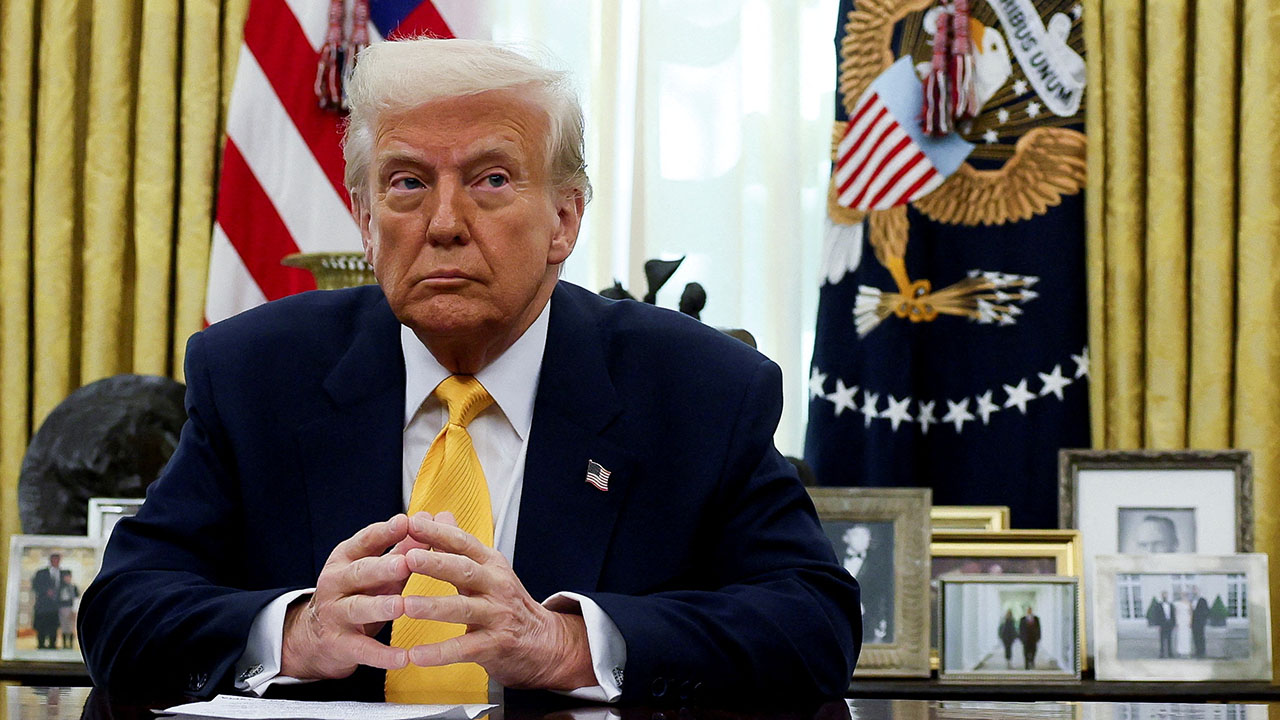
A desperate Chinese leader Xi Jinping sought to pressure Takaichi by calling President Donald Trump just before Thanksgiving, claiming “Taiwan’s return to China is an essential component of the postwar international order.” Trump promptly informed Takaichi about the call, and didn’t ask Takaichi to retract her remark, according to the Japanese government spokesperson, signaling the U.S.-Japan alliance remains strong.
China’s monthlong aggressive tactics have failed to intimidate or humiliate Takaichi, and instead have backfired on Beijing, creating significant implications for future Taiwan discussions. For years, China claimed its control over Taiwan was a domestic issue, labeling external dialogue as “interference.” However, by voicing its grievances to the U.N. and other global entities, China has internationalized the issue. Japan-based expert Yaita Akio notes that this shift undermines China’s previous narrative of “non-interference,” making it difficult for Beijing to silence future global involvement in Taiwan. This unexpected outcome must be frustrating for Xi.
We publish a variety of perspectives. Nothing written here is to be construed as representing the views of The Daily Signal.
The post Beijing’s Aggressive Campaign Against Japan’s Iron Lady Backfires appeared first on The Daily Signal.
What's Your Reaction?
 Like
0
Like
0
 Dislike
0
Dislike
0
 Love
0
Love
0
 Funny
0
Funny
0
 Wow
0
Wow
0
 Sad
0
Sad
0
 Angry
0
Angry
0

I am just an average American. My teen years were in the late 70s and I participated in all that that decade offered. Started working young, too young. Then I joined the Army before I graduated High School. I spent 25 years in, mostly in Infantry units. Since then I've worked in information technology positions all at small family owned companies. At this rate I'll never be a tech millionaire. When I was young I rode horses as much as I could. I do believe I should have been a cowboy. I'm getting in the saddle again by taking riding lessons and see where it goes.
















Comments (0)