

Government can’t keep the lights on. Americans can.
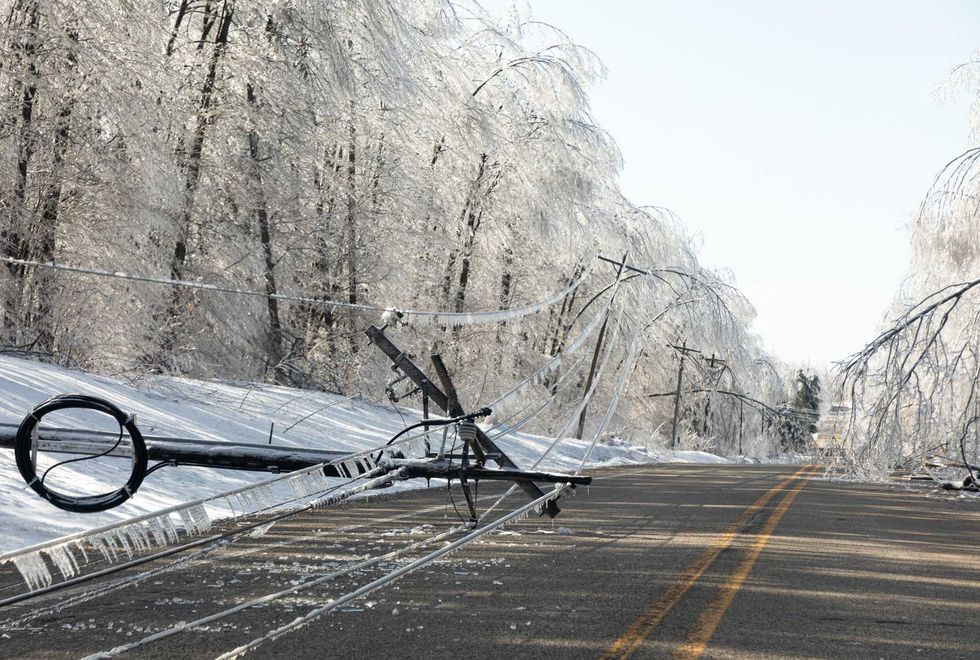

Winter storms this year didn’t just freeze roads. They exposed a harder truth: Government can no longer reliably perform the most basic functions of a modern society.
Live Your Best Retirement
Fun • Funds • Fitness • Freedom
Across the country, public systems failed under predictable stress. In New York, snowstorms everyone saw coming left streets impassable for weeks. In Nashville, an ice storm knocked out power and left more than 100,000 people in the dark for days. In Washington, D.C., officials are still scrambling to contain the largest wastewater spill in city history, with repairs expected to take months.
The resilience America needs will not come from another government task force. It will come from policies that empower Americans to secure their own energy future.
These are not isolated mishaps. They are recurring failures — signs of national decay.
According to the U.S. Energy Information Administration, Americans endured an average of 11 hours of power outages in 2024. Eleven hours in the dark in the wealthiest, most technologically advanced country on Earth. Reliability is slipping while electricity prices climb. Families pay more and get less, even as utility companies demand higher rates.
That path is unsustainable for families already stretched thin. It is dangerous for small businesses operating on razor-thin margins. And it is a strategic liability for a country competing with communist China in the AI race.
Artificial intelligence data centers consume electricity on a staggering scale. A single data center campus under construction in Texas is expected to use more power than the city of Chicago. If America intends to lead the world in AI — and defeat China in the defining competition of this century — it first must lead in energy production.
Yet Americans are asking an obvious question: If government can’t plow streets or keep a sewer system running, why should anyone trust it to keep the lights on?
The Trump administration is right to pursue an all-of-the-above energy strategy. We have no choice but to build nuclear, expand natural gas, and unleash domestic production across the board. But large power plants take years — sometimes decades — to come online.
America needs more energy now.
The fastest, cheapest way to add flexible capacity is battery storage.
Home batteries can be bought off the shelf and installed in days. They can be charged by rooftop solar, small-scale generators, or power from the local utility. They store energy when supply is strong and release it when demand spikes. They keep homes running when the grid fails. And when thousands of them are networked together, they can function like a virtual power plant — pushing electricity back onto the grid to stabilize it during emergencies.
RELATED: How Americans can prepare for the worst — before it’s too late
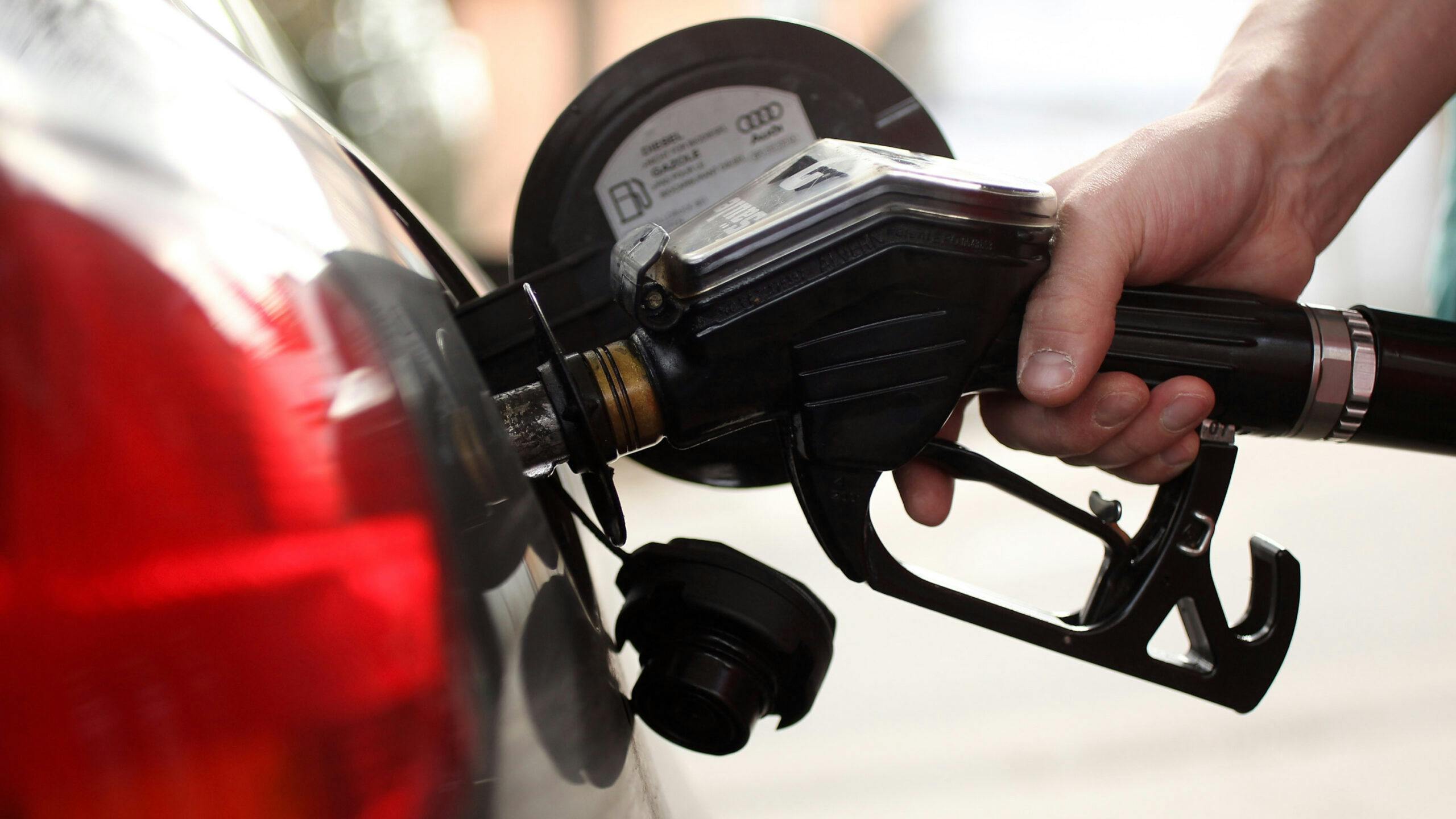
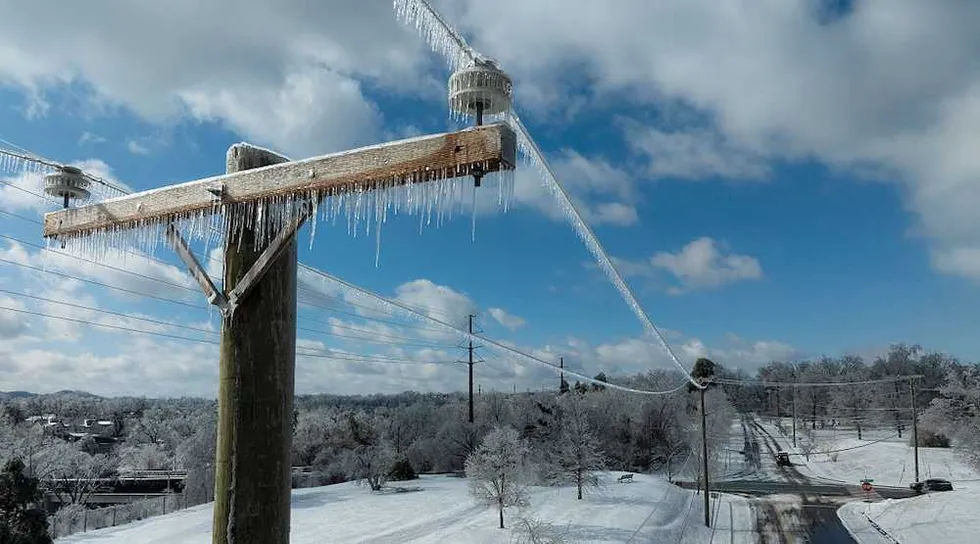 Photo by Brett Carlsen/Getty Images
Instead of relying entirely on aging transmission lines and centralized monopoly utilities that repeatedly fail, Americans can build resilience at home and in their neighborhoods. Power generated and stored closer to where it is used means fewer cascading failures, less strain on fragile infrastructure, and a more reliable grid for everyone.
In other words, instead of waiting on distant bureaucracies, Americans can take ownership of their own energy security.
If government can no longer guarantee basic services, it should at least stop blocking the people who can help provide them. Regulators should remove barriers to battery deployment. Market rules that sideline distributed energy should be updated. And Big Tech companies demanding enormous new power loads should help fund home battery programs instead of shifting those costs onto working families.
The resilience America needs will not come from another government task force. It will come from policies that empower the people to secure their own energy future.
This winter delivered the warning. We cannot assume someone else will keep the lights on. But with the right policies, the American people can.
What's Your Reaction?
 Like
0
Like
0
 Dislike
0
Dislike
0
 Love
0
Love
0
 Funny
0
Funny
0
 Wow
0
Wow
0
 Sad
0
Sad
0
 Angry
0
Angry
0

I am just an average American. My teen years were in the late 70s and I participated in all that that decade offered. Started working young, too young. Then I joined the Army before I graduated High School. I spent 25 years in, mostly in Infantry units. Since then I've worked in information technology positions all at small family owned companies. At this rate I'll never be a tech millionaire. When I was young I rode horses as much as I could. I do believe I should have been a cowboy. I'm getting in the saddle again by taking riding lessons and see where it goes.














Comments (0)