

If voters don’t feel relief, the economy isn’t fixed

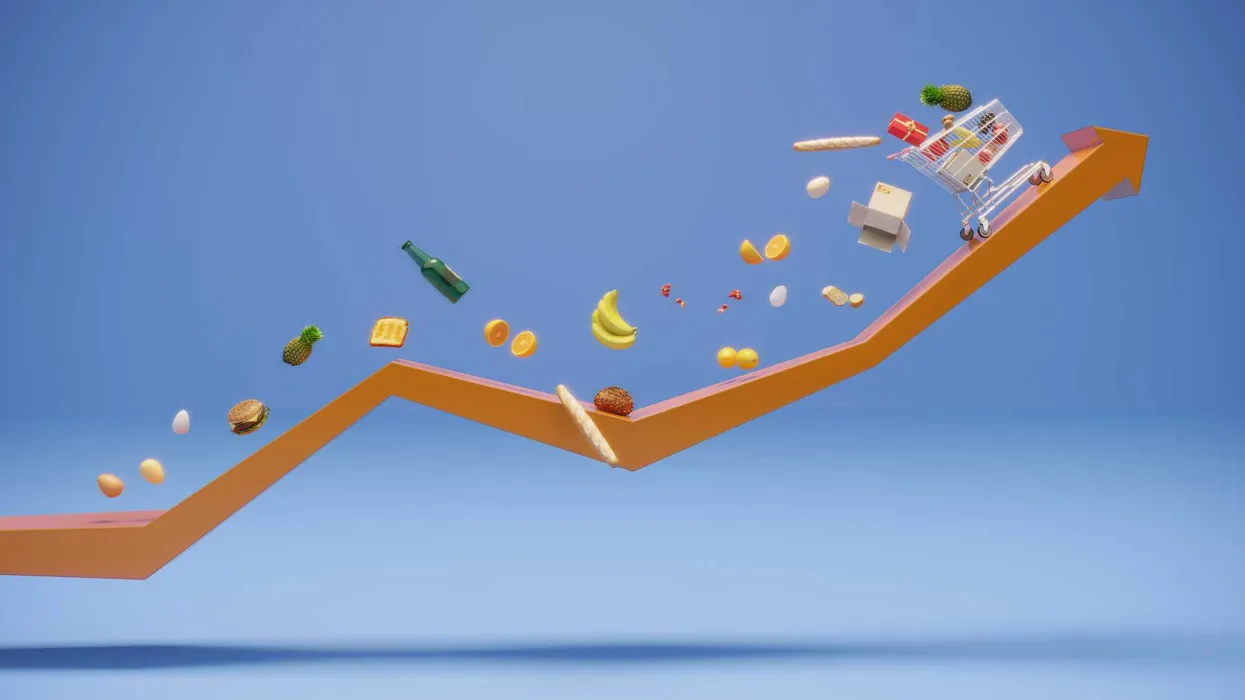
The concerns of many Americans about their economic well-being may be at the highest level since the Great Depression. Politico recently reported that 46% of Americans say their cost of living is the worst that they can remember, including over one-third of Trump voters. Nothing better exemplifies this than the many “30-somethings” who are unable to purchase a home.
Live Your Best Retirement
Fun • Funds • Fitness • Freedom
Financial anxieties center around affordability, which is the proxy for evaluating whether the economy is meeting the public’s needs. Affordability is the degree to which households can responsibly pay for essential goods and services.
In the end, the nation’s affordability dilemma is about the confidence people have in the country’s economic future.
Gregg Ip, an economic commentator for the Wall Street Journal, says that affordability cannot be measured solely by economic data, but must also account for perceptions of financial security.
President Trump opined that concerns about affordability are a “hoax” created by Democrats for political purposes. Most Americans would disagree. While the runaway inflation of the Biden presidency has moderated, widespread concerns about affordability persist. According to a recent Politico poll, nearly half of the nation found the cost of their groceries, health care, utilities, and housing to be unaffordable. About half of the respondents said food costs are difficult to manage, and more than a quarter skipped medical appointments because of the cost.
In the 2026 midterm elections, it will be incumbent upon Republicans and Democrats to make an affordability agenda “job one.” These agendas should be the yardstick voters use to cast their vote for members of Congress and state officials.
The U.S. affordability crisis is multidimensional, requiring a dual-track strategy that combines structural reforms with immediate and affordable relief for the most vulnerable citizens. Each party’s affordability agenda should demonstrate when households will realize cost-of-living relief, avoid another round of inflation, provide market incentives for innovation, supply expansion and productivity gains, demonstrate distributional fairness, and stress choice over federal mandates.
Restoring an affordable economy will require that failed federal policies be reversed and the president and Congress focus on fixing long-term root causes.
To make goods and services more affordable, public policies should aim at increasing private-sector housing construction, modernizing domestic energy regulations, expanding production, encouraging competition in the health care insurance market, avoiding deficit spending that can rekindle inflation, rolling back regulations that increase consumer and business expenses, and devolving social and educational programs to the states to tailor taxpayer-friendly solutions to local challenges.
The nation’s affordability dilemma is not only about the price of goods and services. It concerns the relationship between costs, income, and the perception of financial security. In the end, it is about the confidence people have in the country’s economic future.
RELATED: All I want for Christmas is for Vivek Ramaswamy to stop embarrassing the GOP
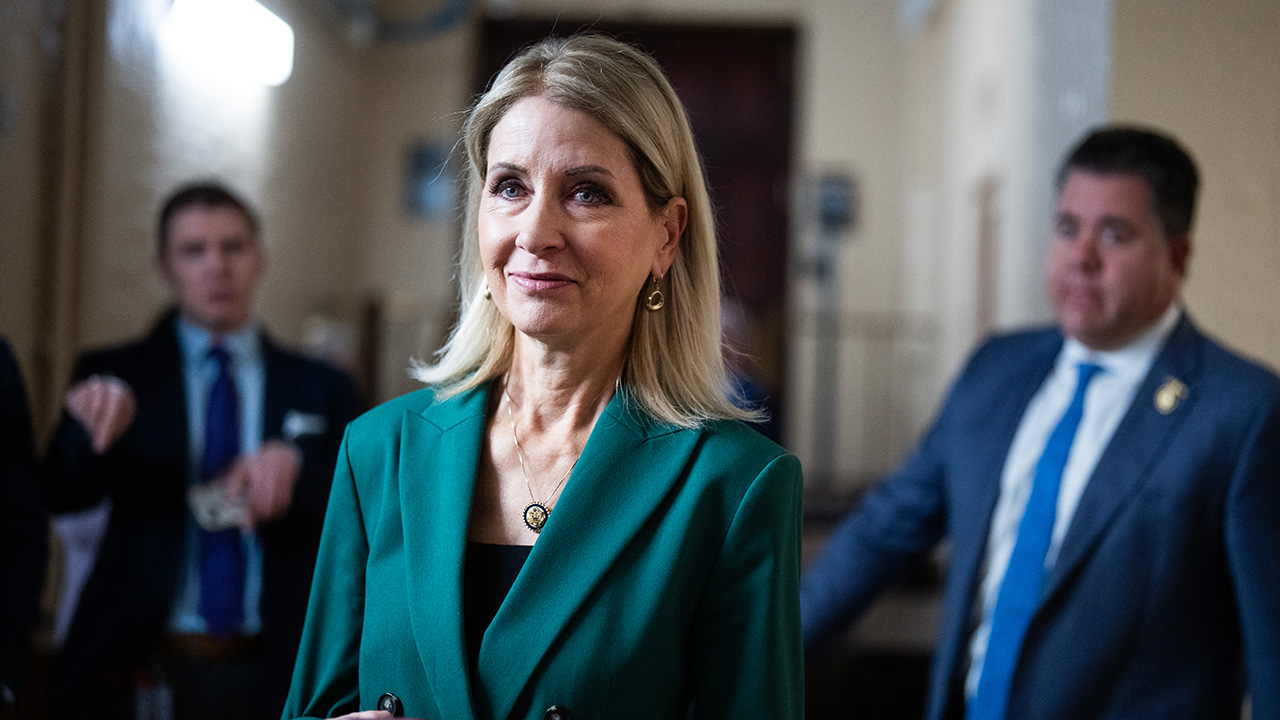
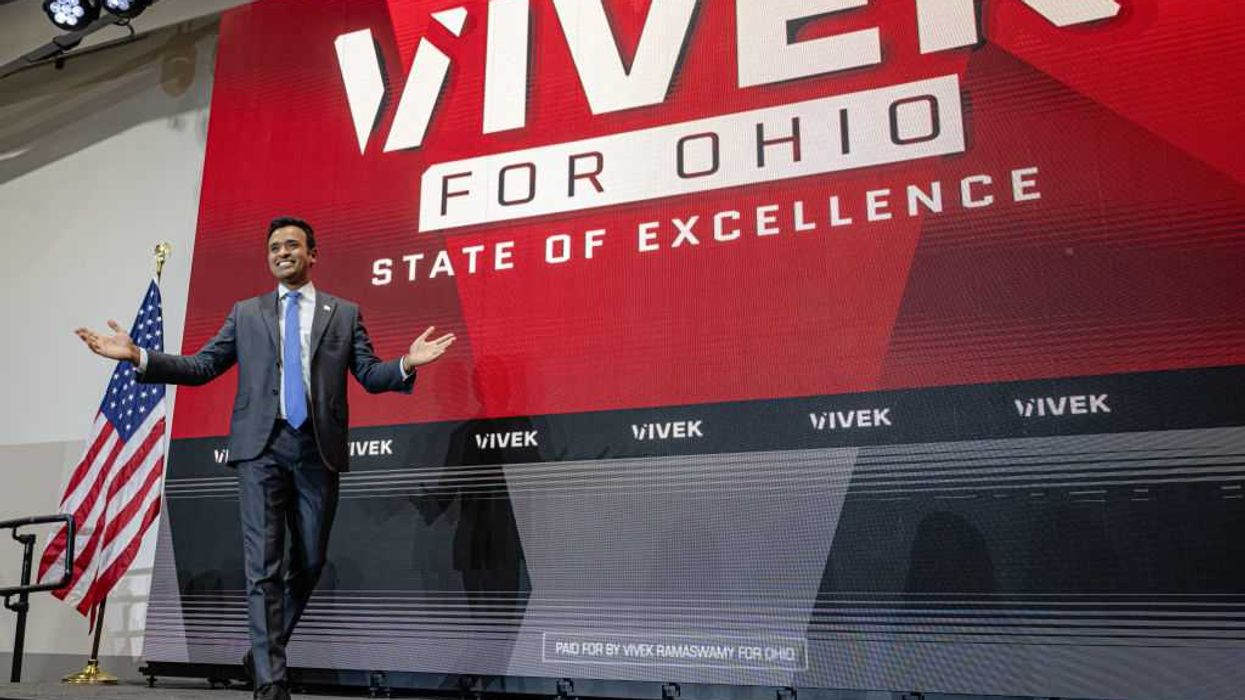 Photo by Jon Cherry/Getty Images
When households and businesses feel “squeezed,” they lose faith that public or private institutions are protecting their interests. A September 2025 poll conducted by the Pew Research Center found that just 17% of Americans trusted the federal government to do the “right thing” most of the time. Similarly, the July 2025 Gallup survey reported that less than 30% of Americans had confidence in U.S. institutions.
The major impediments to addressing the high cost of living are deep ideological divides over causes and solutions. Progressives emphasize government mandates and regulations, subsidies, and deficit spending. Conservatives stress fiscal restraint and market-driven solutions. Adopting common-sense economic reforms requires compromise and the rejection of left and right extremism driven by grievances and rage.
There is no more important issue for voters than which candidates and parties will boldly tackle the affordability challenge. Success will be influenced by policies that encourage business investment and innovation and workers keeping more of their income.
Editor’s note: This article was originally published by RealClearPolitics and made available via RealClearWire.
What's Your Reaction?
 Like
0
Like
0
 Dislike
0
Dislike
0
 Love
0
Love
0
 Funny
0
Funny
0
 Wow
0
Wow
0
 Sad
0
Sad
0
 Angry
0
Angry
0

I am just an average American. My teen years were in the late 70s and I participated in all that that decade offered. Started working young, too young. Then I joined the Army before I graduated High School. I spent 25 years in, mostly in Infantry units. Since then I've worked in information technology positions all at small family owned companies. At this rate I'll never be a tech millionaire. When I was young I rode horses as much as I could. I do believe I should have been a cowboy. I'm getting in the saddle again by taking riding lessons and see where it goes.















Comments (0)