

Matthew McConaughey just trademarked himself. What can you do about deepfakes?

It’s only been a couple of months since our last public service announcement about deepfake videos, but in that short time, AI content has reached another terrifying milestone. While anyone could make a fake video of a celebrity with a simple prompt, new AI video tech now makes it possible for an average person to “become” someone else on camera entirely, complete with a brand-new face, clothes, expressions, and even the person’s voice.
Live Your Best Retirement
Fun • Funds • Fitness • Freedom
The facade of fakery is reaching critical mass
A video surfaced in early January showcasing an AI specialist named Eder Xavier using a combination of Kling AI Motion Control, Gemini Nano Banana Pro, and video editing software to “become” the cast of "Stranger Things." In the short clip posted to his Instagram page, he rotates through several characters, perfectly replicating the appearances of Eleven (Millie Bobby Brown), Mike (Finn Wolfhard), Will (Noah Schnapp), Lucas (Caleb McLaughlin), Derek (Jake Connelly), Dustin (Gaten Matarazzo), and Hopper (David Harbour).
Deepfakes may finally be the thing to break people’s addictions to their phones.
Most alarming of all was that he didn’t just swap faces with the cast members. The AI software recreated everything — their clothes, hairstyles, skin blemishes — and stamped it onto his body. Although Xavier didn’t speak in the video, Kling can also imitate voices, further fueling the facade of fakery.
This type of tech is quite different from the Neil deGrasse Tyson video we covered in November. In that example, Neil was recreated using a prompt that constructed his office and himself in a post-production video. Kling AI Motion Control, however, can impose another person’s body directly onto a video of the creator to make the other person do or say practically anything.
While Xavier’s video is a harmless showcase of the AI video technology in action, it doesn’t take much to imagine how this could be abused. At the very least, deepfake videos can trick people into thinking a friend, family member, politician, or celebrity did something out of character. At the worst, deviant users could expand on the Grok deepfake scandal by creating inappropriate content of real celebrities, played by themselves with an AI skin on top, engaging in adult or illicit activities.
The bad, the good, and the hope of tomorrow
Now that people can become anyone, at any time, for any reason, Kling AI Motion Control (and services like it) could single-handedly tear apart several digital industries around the web.
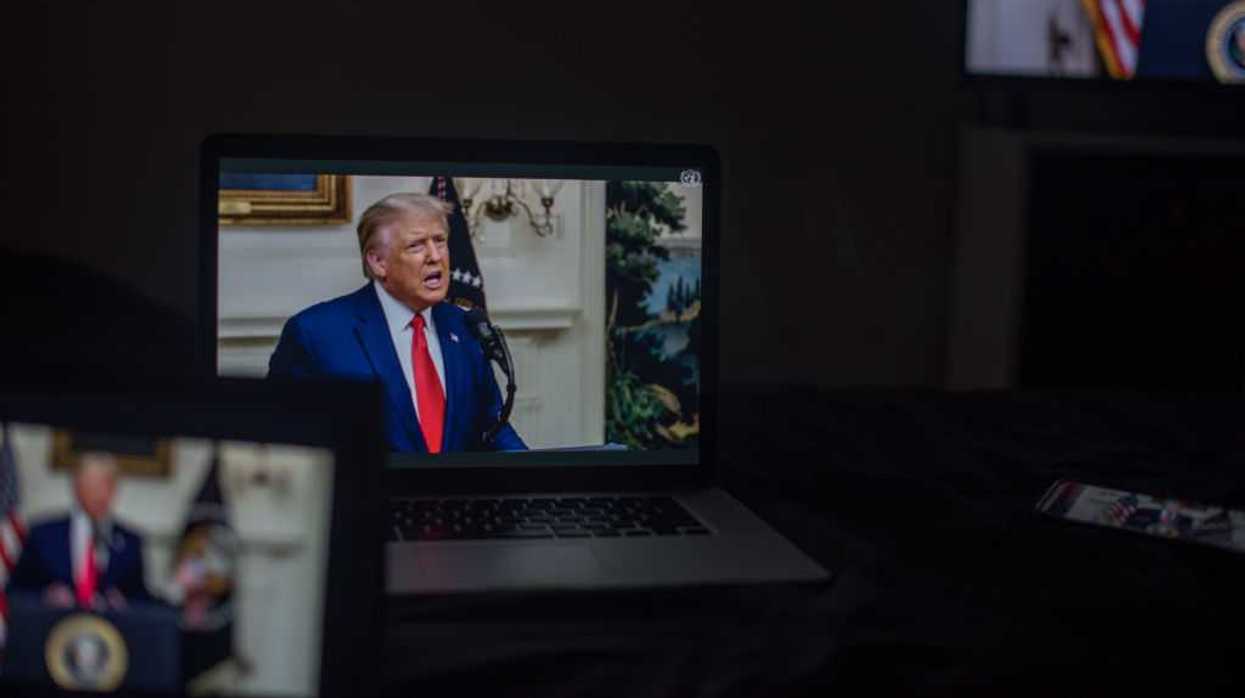
RELATED: Anti-Trump groups are quietly planning for a deepfake election crisis
 Tiffany Hagler-Geard/Bloomberg via Getty Images
For starters, influencer marketing is primed to lose its luster when a random person can pretend to be any online personality — or even create an alternate identity — to gain followers and sell products. Imagine a 40-year-old man posing as a 21-year-old beautiful blonde woman to sell products, earn likes, and push scams.
Online dating apps are another digital service that will lose all credibility. If you can’t tell if the person you’re talking to is real or fake, why would you swipe and risk meeting an imposter at all? The movie and film industry will also suffer when actors can be recreated by extras to play minor roles on camera, or studios could cut down on the cost of reshoots by reskinning stand-ins to play main characters.
On the bright side, adult paid subscription services, like OnlyFans, could crumble if patrons can’t be sure that the attractive woman they subscribe to isn’t secretly that 40-year-old man again (yikes).
In the best-case scenario, the rise of AI deepfakes may finally be the thing to break people’s addictions to their phones. If nothing on social media is real — photos, videos, posts — why would anyone waste their time scrolling? The alternative, of course, is that people continue to consume AI slop in pursuit of increasingly irreversible brain rot, but the hope is that AI breaks users’ hyper-online habits and helps them seek real-world experiences, taking us back to the days before technology warped our perception of reality.
What to do next
Online deepfake content feels inescapable, but that doesn’t mean there’s nothing we can do about it.
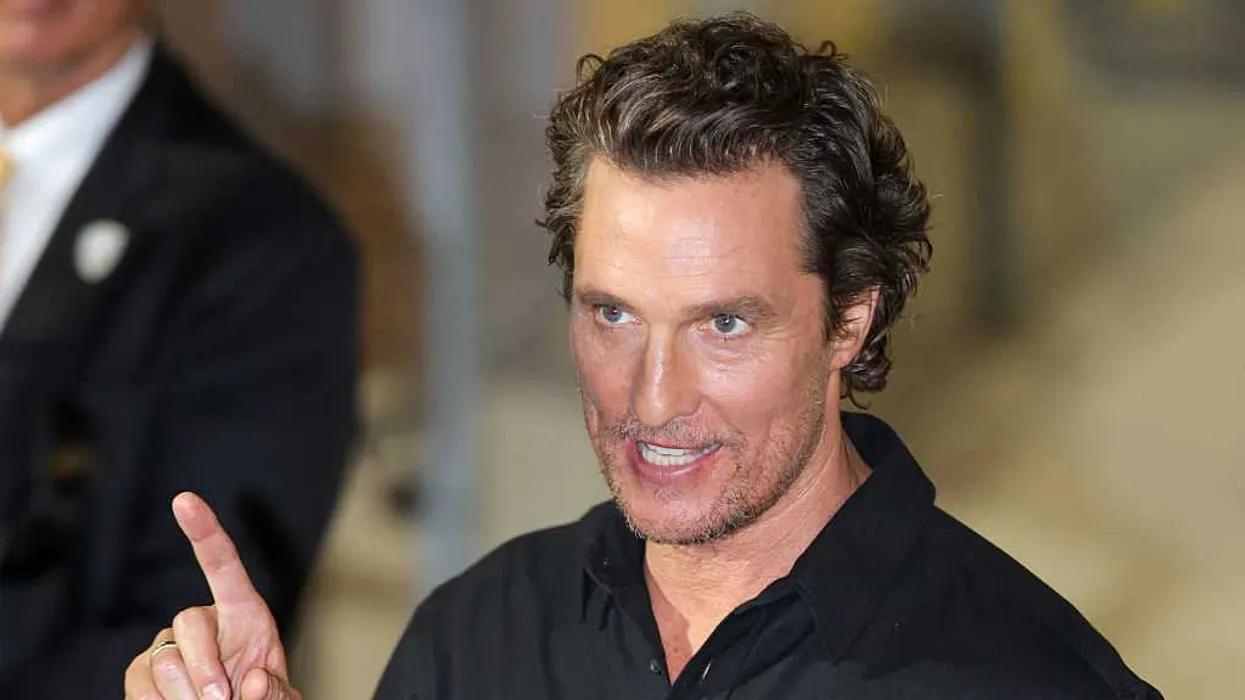
Some celebrities are already starting to resist AI and its ability to steal their likeness. Matthew McConaughey just trademarked himself to prevent AI companies from using images that resemble him, giving him the right to take legal rights against “AI misuse.” If successful, other celebrities, and maybe even citizens, will likely do the same.
Until then, Eder Xavier’s video serves as another reason to question everything you see online. In a digital world where nothing on social media is real and everything could lead to a scam, the internet as we know it will collapse, or at the very least, it will become far less important than simply living life out in the real world.
What's Your Reaction?
 Like
0
Like
0
 Dislike
0
Dislike
0
 Love
0
Love
0
 Funny
0
Funny
0
 Wow
0
Wow
0
 Sad
0
Sad
0
 Angry
0
Angry
0

I am just an average American. My teen years were in the late 70s and I participated in all that that decade offered. Started working young, too young. Then I joined the Army before I graduated High School. I spent 25 years in, mostly in Infantry units. Since then I've worked in information technology positions all at small family owned companies. At this rate I'll never be a tech millionaire. When I was young I rode horses as much as I could. I do believe I should have been a cowboy. I'm getting in the saddle again by taking riding lessons and see where it goes.






















Comments (0)