

Red New Hampshire? GOP Registration Eclipses Dems By Nearly 50K
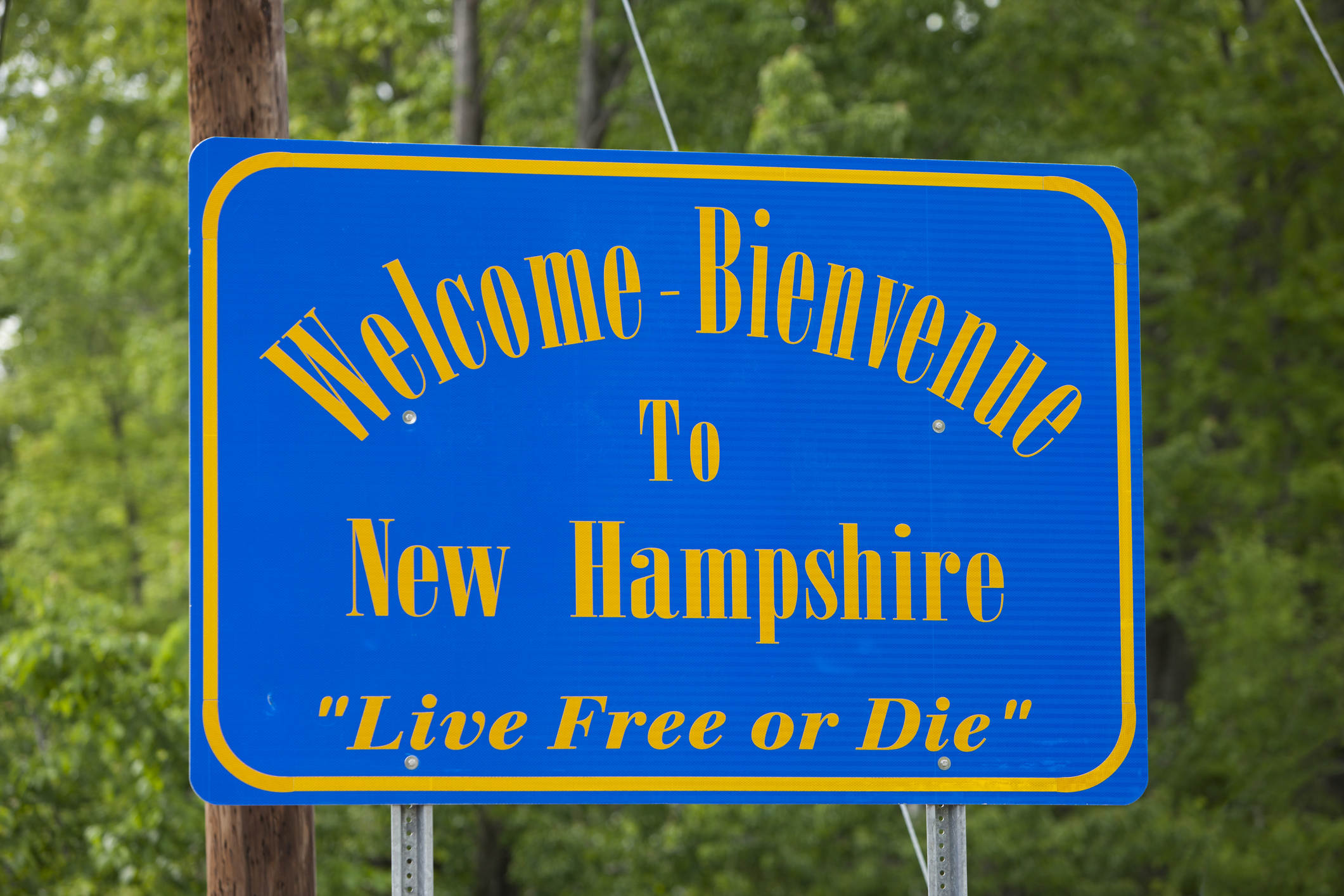
New Hampshire Republicans have opened a nearly 50,000-voter registration advantage over Democrats as the Granite State heads toward the 2026 midterms, a shift that could reshape historically fluid federal and statewide races, even as the state’s electorate keeps a blue streak in national contests.
Live Your Best Retirement
Fun • Funds • Fitness • Freedom
New data from the state’s Secretary of State shows Republican enrollment topping 315,685 voters compared with 266,413 registered Democrats, giving the GOP a sizable edge heading into a series of tightly contested elections. While the numbers signal momentum for the GOP, New Hampshire’s electoral identity remains nuanced. The state has voted for the Democratic nominee in every presidential contest since 2004, including the 2024 race, in which Vice President Kamala Harris carried the state even as Republicans strengthened their control of the governorship and state legislature.
Most striking is the size of the undeclared bloc. Nearly 375,000 Granite Staters lack formal party affiliation, outnumbering both major parties and allowing them to participate in either primary under New Hampshire’s semi-open system. Those voters have helped shape split outcomes in recent cycles, breaking for Democrats in federal contests and for Republicans down-ballot.
The current registration gap is the product of a longer post-COVID trend. Since 2021, Republican enrollment in New Hampshire has steadily climbed, accelerating after the 2022 and 2024 election cycles, while Democratic registration has largely stagnated or declined modestly. State data shows Republicans have added more than 45,000 voters since late 2023 alone, while Democratic numbers have remained relatively flat over the same period. The growth has come largely at the expense of undeclared and inactive voters re-registering with the GOP, reflecting broader national shifts in party alignment following pandemic-era politics and cultural debates.
Republican strategists argue that a growing registration lead is more than cosmetic. In a 2025 briefing after the announced retirement of Sen. Jeanne Shaheen (D-NH), the National Republican Senatorial Committee released a briefing on the chances of the future Senate race: “New Hampshire demonstrates a favorable political environment for Republicans in this toss-up Senate race. With a registration advantage, an edge on the generic ballot… Republicans are well positioned to flip this open Senate seat in New Hampshire regardless of who either party nominates.”
Democrats are not ignoring the trend: national party leaders have launched an ambitious voter registration drive to counter Republican gains in key states, acknowledging that shifts in party enrollment have eroded Democratic ground in recent cycles. Democratic National Committee Chair Ken Martin said large-scale registration efforts are needed to “chip away” at GOP advantages ahead of 2026.
The implications of a GOP registration edge extend beyond registration rolls into competitive races. With Shaheen retiring, the open Senate seat is a high-profile target for Republicans. How Republicans and Democrats capitalize on voter-file shifts, mobilize independents, and generate turnout could ultimately decide not only the Senate contest but control of the state House and other federal seats.
New Hampshire’s electoral landscape remains uneven and hard to predict; a voter registration advantage for the GOP and firm Republican control at the state level, yet a history of Democratic success in federal contests and a sizable undeclared voting bloc. The coming months — from primaries through the midterms — should be a good test of whether party registration is a viable predictor of purple state tendencies going forward.
What's Your Reaction?
 Like
0
Like
0
 Dislike
0
Dislike
0
 Love
0
Love
0
 Funny
0
Funny
0
 Wow
0
Wow
0
 Sad
0
Sad
0
 Angry
0
Angry
0

I am just an average American. My teen years were in the late 70s and I participated in all that that decade offered. Started working young, too young. Then I joined the Army before I graduated High School. I spent 25 years in, mostly in Infantry units. Since then I've worked in information technology positions all at small family owned companies. At this rate I'll never be a tech millionaire. When I was young I rode horses as much as I could. I do believe I should have been a cowboy. I'm getting in the saddle again by taking riding lessons and see where it goes.




















Comments (0)