

Robert F. Kennedy’s Immunization Board Delays Decision on Future of Hep B Vaccine

Robert F. Kennedy’s hand-picked vaccine advisory board unexpectedly delayed its vote on the future hepatitis B vaccine’s future in the childhood immunization schedule.
Live Your Best Retirement
Fun • Funds • Fitness • Freedom
Advisory Committee on Immunization Practices, or ACIP, met Thursday, the first of two days, to hear presentations and vote on the universal hepatitis B vaccine recommendation for infants. The board voted 6-3 to delay the vote to give advisers time to examine last minute changes to the hepatitis B vote wording.
There was a split between some of the attendees who support changing the recommendation and others who don’t. The panel plans to revisit the issue on Friday.
Health and Human Services Secretary Kennedy has signaled his support for changing the recommendation, claiming that the hepatitis B birth dose is a “likely culprit” of autism in an appearance on Tucker Carlson’s podcast in June.
Sen. Roger Marshall, R-Kan., an OBGYN, says there is no need to get the hepatitis B vaccine if the mother tests negative for it during pregnancy. Hepatitis B is mostly transmitted through sex or sharing a needle with someone with hepatitis B, and mothers exposed to the disease are likely to pass it to their babies.
Marshall told The Daily Signal in an exclusive interview that removing the hepatitis B vaccine from the schedule would help restore the patient-doctor relationship and give families more choice in their children’s healthcare.
“If you as a mother said, I want my baby to have the vaccine, I’m definitely OK giving it,” he said, “but I really want to put that decision back into the hands of mom and dad, and not in the hands of a bureaucrat in Washington, D.C., that’s never delivered a baby, never taken care of a newborn.”
The removal of the vaccine from the schedule means insurance companies may no longer be required to cover it. But Marshall said ACIP shouldn’t make its decision based on what an insurance company is going to do
“I certainly have the empathy, but I think regardless, the health departments are going to carry it and they’re going to give free vaccines to everybody, regardless of what the insurance company does. And a lot of people go to health department anyway, the county health department,” he said.
Marshall said he worries that offering the hepatitus B shot on day one of the baby’s life unnecessarily interferes with its immune system.
“There is more we don’t know about immune systems than we do,” he said. “I’m just afraid giving a baby a vaccine this early interferes with its own immune system.”
Marshall proposed letting the baby’s immune system develop before giving the hepatitus B vaccine.
“Now, if that mom is a prostitute, if she has multiple sexual partners, if she’s doing IV drugs, if she’s got a positive drug test, if we don’t have a hepatitis B screen on her, then sure, I would probably get that baby the vaccine,” he said. “So there’s a way the [Centers for Disease Control] could recommend it without being on day number one.”
To Marshall, ACIP’s biggest challenge will be determining the right age to give the hepatitus B vaccine to babies with minimal impact.
“I’m concerned about the impurities that we that are getting these vaccines, all the nonessential substances… And just the quality of where it’s made even bothers me,” he said. “They should probably be American made vaccines, until proven otherwise. And then it’s the interaction when you start giving multiple vaccines at the same time, it’s really hard to figure out, is that impacting the baby, the child’s immune system as well.”
After the vote, ACIP will make its recommendation to the CDC, which will ultimately decides the future of the childhood immunization schedule.
“I think that’s the research we should be focused on, is trying to sort out the best timing of it,” Marshall continued. “By the first year of life, I think a baby’s going to receive 20, 25 jabs, and it just seems like it’s too many to me. My gut feeling as a doctor is, we try really hard not to mix medicines.”
Similarly, Sen. Rand Paul, R-Ky., has said on X that there is “no medical reason to give newborns” the hepatitus B vaccine if the mother “is not infected.”
President Donald Trump’s pollster Tony Fabrizio found that 80% of voters say it’s important to people to receive the hepatitus B vaccine. That includes 70% of Trump voters.
Sen. Bill Cassidy, R-La., a physician who chairs the Senate Committee on Health, Education, Labor, and Pensions, has said he is “very concerned” about the possibility of changing the hepatitis B vaccine schedule.
“This is policy by people who don’t understand the epidemiology of hepatitis B, or who have grown comfortable with the fact that we’ve been so successful with our recommendation that now the incidence of hepatitis B is so low, they feel like we can rest on our laurels,” he told CBS News’ Margaret Brennan on “Face the Nation.”
Since 1991, ACIP has recommended that all babies receive the vaccine.
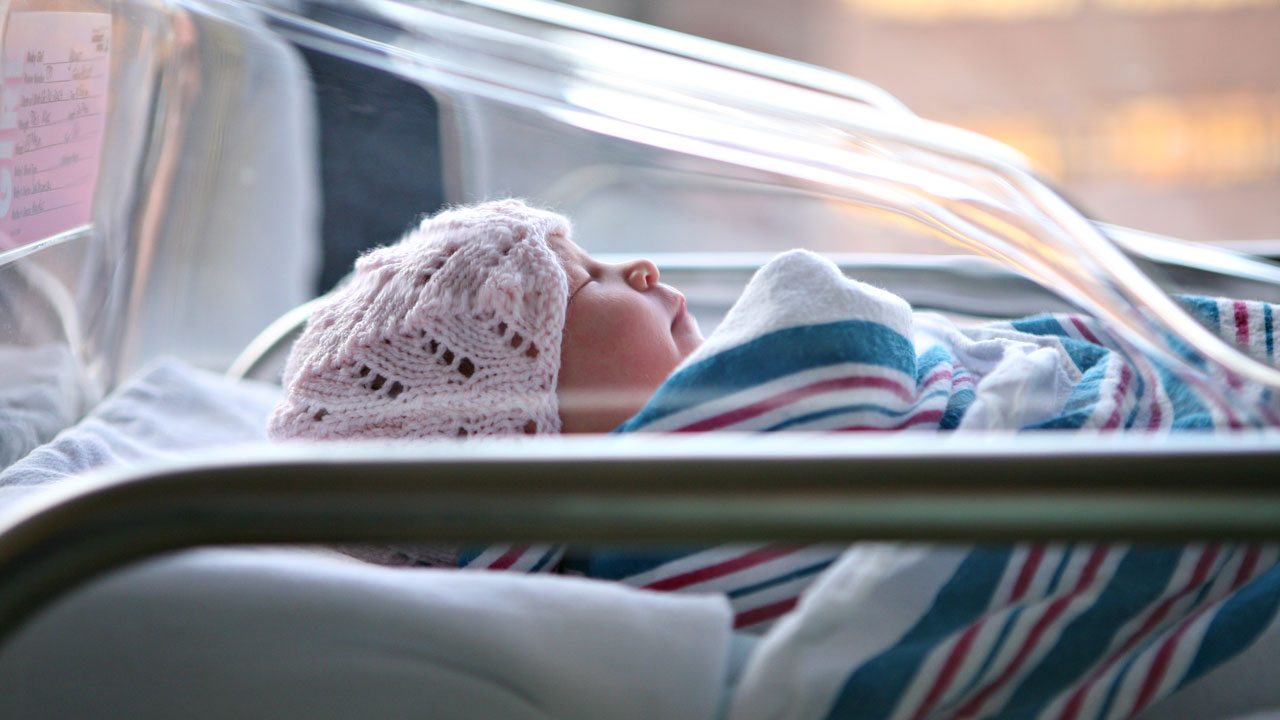
On Friday, ACIP will vote on if the government should drop its birth dose recommendation for hep B vaccination for babies whose mother tested negative. The guidance would remain for babies whose mother is positive or whose infection status is unknown.
The earlier version of the guidance said parents of children whose mother’s infection status is unknown should make the decision in consultation with a doctor.
The post Robert F. Kennedy’s Immunization Board Delays Decision on Future of Hep B Vaccine appeared first on The Daily Signal.
What's Your Reaction?
 Like
0
Like
0
 Dislike
0
Dislike
0
 Love
0
Love
0
 Funny
0
Funny
0
 Wow
0
Wow
0
 Sad
0
Sad
0
 Angry
0
Angry
0

I am just an average American. My teen years were in the late 70s and I participated in all that that decade offered. Started working young, too young. Then I joined the Army before I graduated High School. I spent 25 years in, mostly in Infantry units. Since then I've worked in information technology positions all at small family owned companies. At this rate I'll never be a tech millionaire. When I was young I rode horses as much as I could. I do believe I should have been a cowboy. I'm getting in the saddle again by taking riding lessons and see where it goes.








Comments (0)