

Thousands Of ISIS Terrorists Nearly Escaped – Inside The U.S. Operation That Blocked It
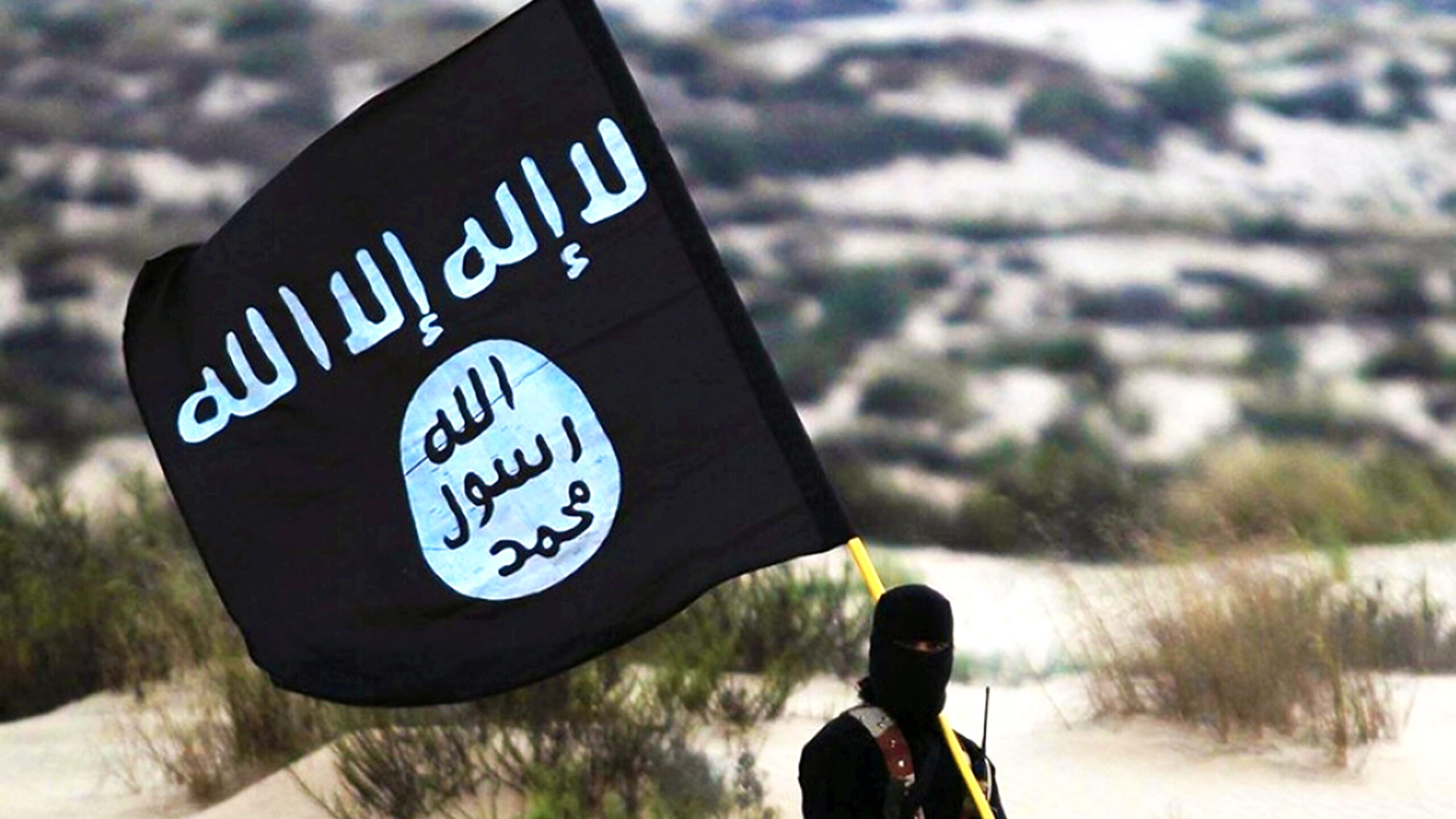
U.S. intelligence and military officials say a coordinated operation moved nearly 6,000 detainees linked to the Islamic State from unstable prisons in northeastern Syria into Iraqi custody, a transfer aimed at preventing a potential mass breakout and a resurgence of the terror group.
Live Your Best Retirement
Fun • Funds • Fitness • Freedom
The relocation mission, led by the U.S. Central Command (CENTCOM), began on January 21, when American forces transported an initial group of 150 Islamic State fighters from a detention facility in Hasakah, Syria, to secure facilities in Iraq. CENTCOM said as many as 7,000 detainees could ultimately be transferred from Kurdish-run prisons in northeastern Syria into Iraqi-controlled facilities to ensure continued detention amid shifting conditions on the ground.
In a press release last month, CENTCOM described the mission as an effort to keep Islamic State detainees in secure custody and prevent them from exploiting regional instability to escape.
In an interview, a senior U.S. intelligence official told Fox News that agencies had tracked the situation for months as fighting erupted in Aleppo and spread eastward, threatening prisons that have long held ISIS fighters. If those facilities had collapsed amid the chaos, the official said, thousands of militants could have returned to active operations —“the instant reconstitution of ISIS.”
Officials involved in the operation said a sustained period of interagency coordination, including daily calls led by the Office of the Director of National Intelligence (ODNI), was crucial. An ODNI press release confirmed that its National Counterterrorism Center provided intelligence support and helped coordinate with CENTCOM, the U.S. State Department, and the Pentagon on the transfers. Director of National Intelligence Tulsi Gabbard said the effort “ensure[d] the progress … to dismantle ISIS persists” and credited sustained intelligence analysis for the secure removal of detainees.
CENTCOM commander Adm. Brad Cooper said facilitating the detainee transfers is “critical to preventing a breakout that would pose a direct threat to the United States and regional security.”
The operation concluded with the transfer of more than 5,700 adult male detainees into Iraqi custody. According to the Associated Press, Iraqi authorities have begun interrogations of many transferred prisoners and intend to pursue prosecutions under Iraqi law.
The transfer effort comes amid a broader reshaping of authority in northeastern Syria. Long guarded by the Syrian Democratic Forces (SDF), many detention facilities came under threat as government forces advanced in the region and Kurdish control weakened. While some detainees were recaptured after a small break occurred at a prison near al-Shaddadi earlier in the month, officials said the larger transfer helped reduce the risk of a broader ISIS resurgence.
A separate and unresolved concern remains the fate of ISIS-linked families and civilians held in nearby camps. Reports indicate that facilities such as al-Hol have largely emptied amid recent shifts in control, with many former residents dispersing across Syria or crossing borders into neighboring countries. Humanitarian groups and security experts have raised alarms about the chaotic departure of women and children, citing risks of trafficking, radicalization, and lawlessness.
Human Rights Watch has also voiced concerns about the treatment and legal rights of detainees now held in Iraq. The organization warned that the transfers could expose prisoners to abuse, unfair trials, and torture without appropriate legal safeguards, underscoring a broader debate over how to handle ISIS suspects while maintaining regional security.
U.S. officials say the focus now shifts to biometric identification, coordinating with detainees’ countries of origin for repatriation, and ensuring that intelligence gathered from the transfers can support future prosecutions. Given the unprecedented scale of the operation and the fluid security situation in Syria, American and Iraqi authorities say their long-term counterterrorism strategy will depend on balancing security, legal accountability, and international cooperation.
What's Your Reaction?
 Like
0
Like
0
 Dislike
0
Dislike
0
 Love
0
Love
0
 Funny
0
Funny
0
 Wow
0
Wow
0
 Sad
0
Sad
0
 Angry
0
Angry
0

I am just an average American. My teen years were in the late 70s and I participated in all that that decade offered. Started working young, too young. Then I joined the Army before I graduated High School. I spent 25 years in, mostly in Infantry units. Since then I've worked in information technology positions all at small family owned companies. At this rate I'll never be a tech millionaire. When I was young I rode horses as much as I could. I do believe I should have been a cowboy. I'm getting in the saddle again by taking riding lessons and see where it goes.




















Comments (0)