

FDA Probes Use Of Food Preservative Also Used In Rubber And Plastic
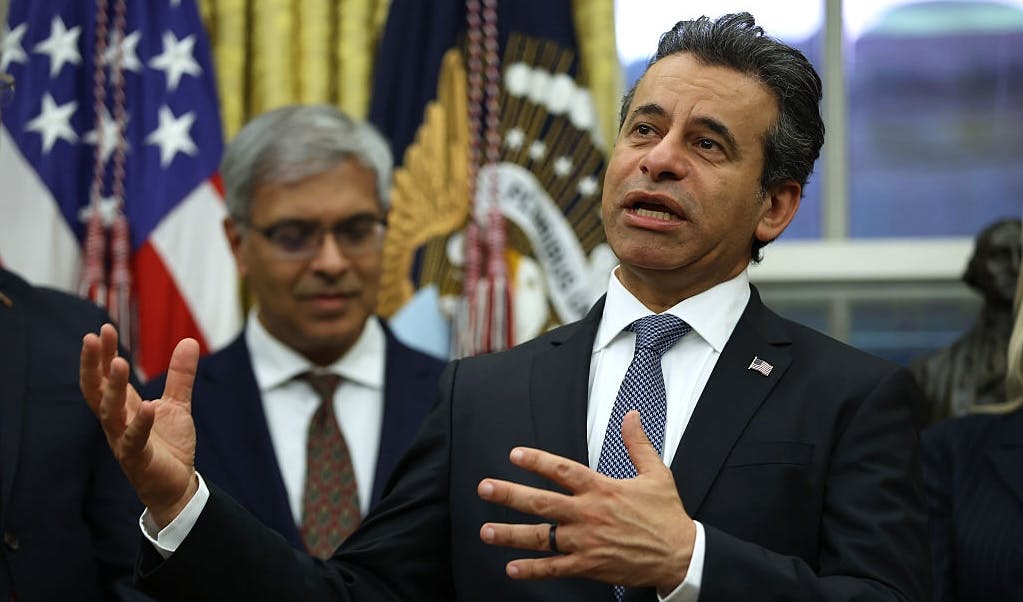
The FDA is zeroing in on chemical food preservatives and making changes to food labels, aiming to bring American food more in line with European standards and make labels clearer.
Live Your Best Retirement
Fun • Funds • Fitness • Freedom
The agency announced on Tuesday that is plans to review a preservative called BHA, which is commonly used in many processed foods. FDA commissioner Dr. Marty Makary says that the preservative may contribute to cancer.
“About 4,600 different types of food that are common in the U.S. Food supply have BHA. It’s an ingredient that’s found in rubber, in plastic, in glue,” Makary told The Daily Wire. “A National Toxicology Program assessment said that there’s a reasonable anticipation that it’s carcinogenic or cancer-causing.”
In addition to BHA, the FDA is also taking a closer look at two other compounds called BHT and azodicarbonamide.
“BHT is very common in cereal. It’s known to be a hormone disruptor,” Makary said, “and azodicarbonamide, which is a dough conditioner, is what gives yoga mats the sort of air bubbles to give it the cushion.”
“It’s also used in shoes to make them more springy. And it’s also found in breads and foods, and it just doesn’t make sense that the same chemicals used to condition yoga mats and shoes are also being used in food for children,” the commissioner said.
The chemicals under review have already been banned by most of Europe. They became staples of processed foods in the United States because they were protected under an FDA rule known as GRAS, or generally recognized as safe. The rule allowed companies to self-declare chemicals as safe.
“It was originally intended for things like salt, and things that were naturally in the environment, but companies over time used this loophole to be able to self declare chemicals as safe without any real good, solid testing, and then just insert them into the food, not because it added any taste or flavor, but because it increased the shelf life of certain foods,” said Makary.
“Now that this medical field has matured and caught up. The data now shows that there are health concerns with some of these chemicals,” he added.
Alternatives to these popular preservatives are cost neutral, according to Makary, so replacing them will not place any additional costs on companies.
The FDA is also rolling out new rules regarding food labels, specifically regarding claims around artificial dyes.
“The FDA is making it very clear what these labels should mean, and what the criteria are. For example, the label, ‘no artificial dyes’ will now mean no artificial dyes. In the past, if you used a natural dye from natural ingredients, you could not use that label, and it created a lot of confusion among parents shopping for groceries for their kids,” said Makary.
“Now, you can trust that label, ‘no artificial dyes.’ And at the same time, the FDA approved last week two new natural dyes that can be used as alternatives to the petroleum artificial dyes, and that’s what we need to do,” he added.
What's Your Reaction?
 Like
0
Like
0
 Dislike
0
Dislike
0
 Love
0
Love
0
 Funny
0
Funny
0
 Wow
0
Wow
0
 Sad
0
Sad
0
 Angry
0
Angry
0

I am just an average American. My teen years were in the late 70s and I participated in all that that decade offered. Started working young, too young. Then I joined the Army before I graduated High School. I spent 25 years in, mostly in Infantry units. Since then I've worked in information technology positions all at small family owned companies. At this rate I'll never be a tech millionaire. When I was young I rode horses as much as I could. I do believe I should have been a cowboy. I'm getting in the saddle again by taking riding lessons and see where it goes.






















Comments (0)