

How Americans can prepare for the worst — before it's too late
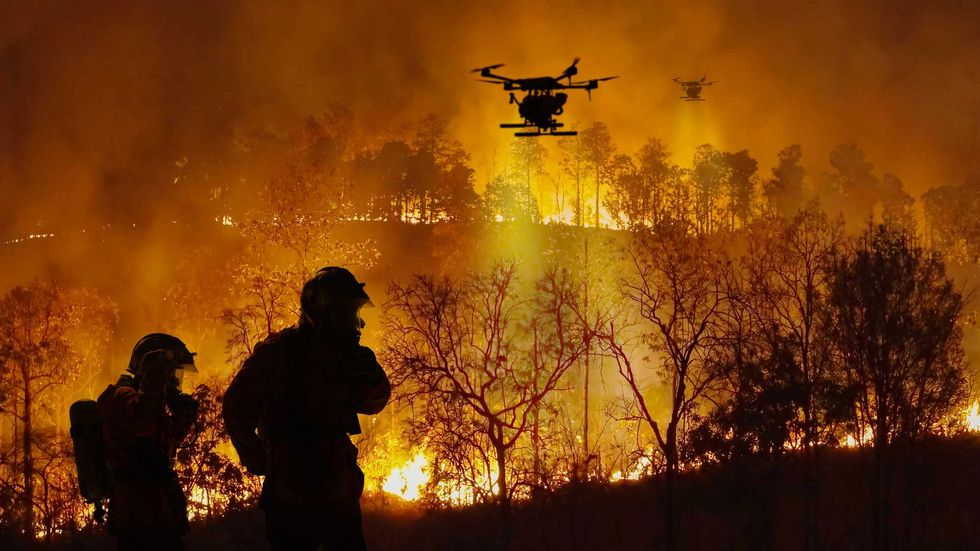
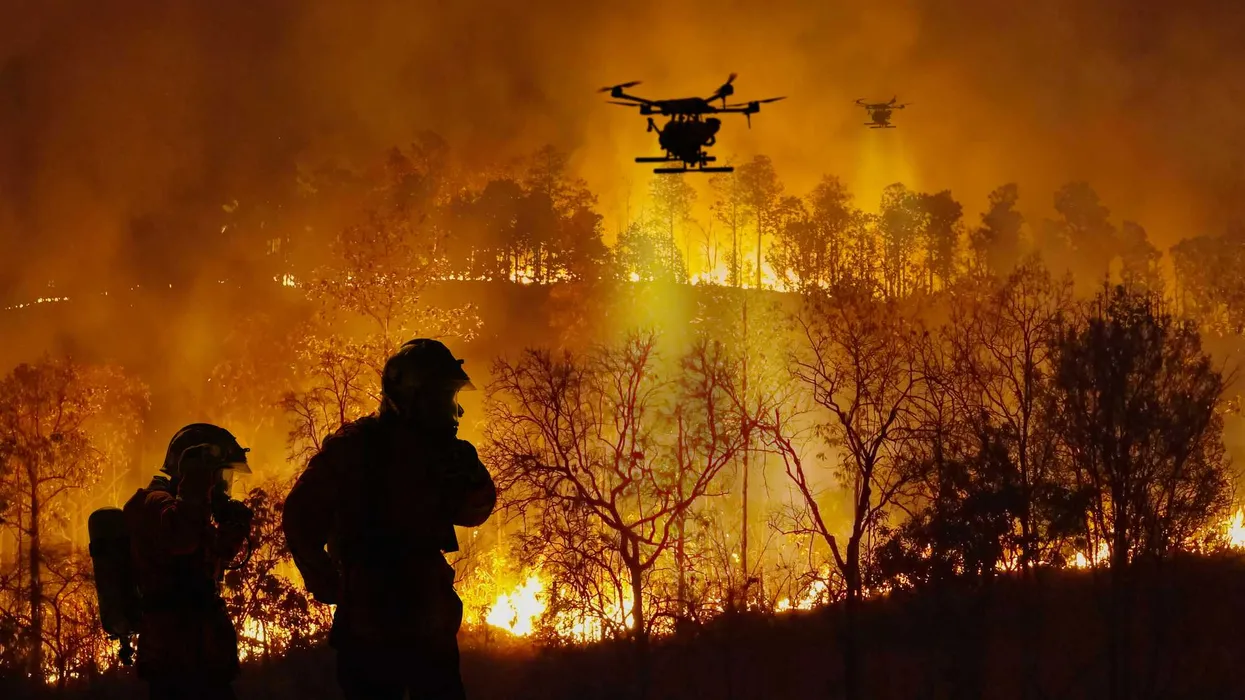
Imagine standing in a war-torn city overseas, as I have on numerous deployments, walking through communities shattered not just by bombs and sectarian conflict, but by the follow-on failure of basic systems — water, power, food, even the educational system.
Live Your Best Retirement
Fun • Funds • Fitness • Freedom
It's a stark reminder that resilience isn't abstract; it's the difference between chaos and recovery. Back home, over 20 million Americans reported in 2023 that they could last at home for a month or more without publicly provided water, power, or transportation, a rate more than double that reported in 2017.
This trend is not occurring because of government guidance, but rather because of a perceived fear of government failure. Across the world, civil defense and national preparedness are surging in discussions, extending beyond disasters or war to encompass health, economics, energy, and the social, spiritual, and built environments of our communities.
Civilians have an active role to play and should not passively wait for government salvation.
The core question remains: Are we truly resilient?
Identifying gaps
In 2019, Quinton Lucie, a former attorney for the Federal Emergency Management Agency, wrote a blistering academic piece in Homeland Security Affairs. He argued that America no longer has the institutional experience or framework required for civil defense, a large pillar in overall national resiliency. In his words, the U.S. “lacks a comprehensive strategy and supporting programs to support and defend the population of the United States during times of war.” Retired Air Force General Glen D. VanHerck, the former commander of the North American Aerospace Defense Command and U.S. Northern Command, recently commented that America needs to be able to “take a punch in the nose ... and get back up and come out swinging” regardless of whether the attack came in the cyber realm or something conventional.
An all-inclusive plan is not optional. Presidential Executive Order 12656 mandates whole-of-government responsibilities for various national security emergencies. Article Three of the 1949 North Atlantic Treaty, which created NATO, stipulates resilience, focusing on continuity of government, essential services for citizens, and military support. Implicitly, it calls on individuals to step up too — not just for war, but for natural disasters, economic slumps, or grid failures.
While non-binding, the 2020 NATO NSHQ Comprehensive Defence Handbook states that “resilience is the foundation atop the whole-of-society bedrock” and “is built through civil preparedness and is achieved by continually preparing for, mitigating, and adapting to potential risks well before a crisis.” The challenge is that civil preparedness requires this whole-of-society approach, not just a whole-of-government one. That is, we can’t have a strong nation without strong individuals and communities.
Facing perils head-on
What other perils might we confront? Food security is a prime example. During the U.S. government shutdown, food banks near bases experienced a 30%-75% surge from military families. This comes at a time when 42 million Americans are on food stamps and Secretary of War Pete Hegseth and Secretary of Health and Human Services Robert F. Kennedy Jr. push for a healthier fighting force and populace. Globally, a February 2025 report by the U.K.’s National Preparedness Commission indicated that civil food resilience is highly vulnerable to myriad shocks to the status quo and that the populace was underprepared.
RELATED: Minneapolis ICE protesters are BEGGING for civil war — and we need to take them seriously
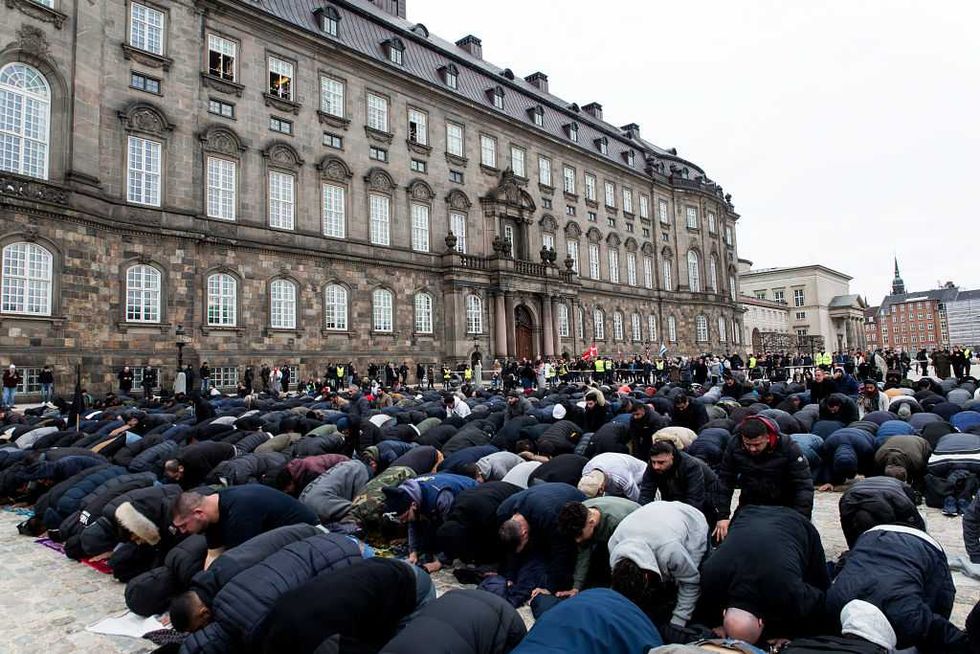
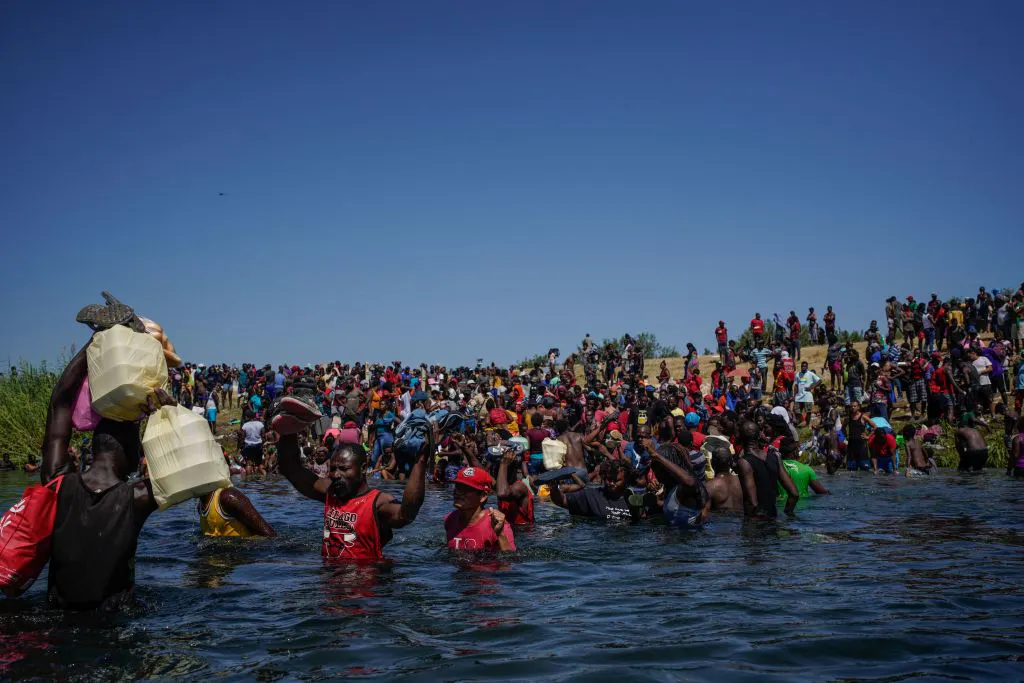
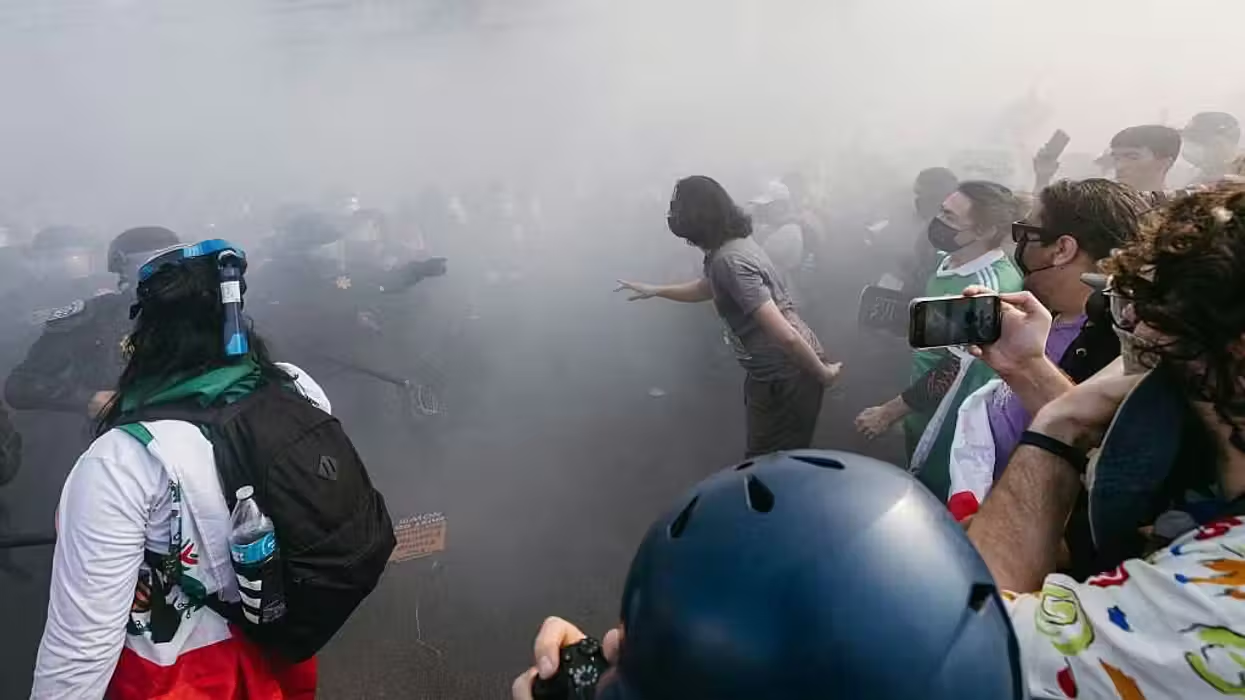 Photo by DAVID PASHAEE/Middle East Images/AFP via Getty Images
Utilities failures like water and electricity are another concern. In October 2025, the former top general of the National Security Agency warned of China's aggressive targeting of U.S. critical infrastructure. This aligns with China’s “Three Warfares” strategy, which seeks to manipulate or weaken adversaries via public opinion warfare, psychological warfare, and legal warfare. China’s gray-zone activities against the U.S. also include synthetic narcotics like fentanyl and online actions to deepen political fissures.
Leaders are not sitting still. President Trump supports reshoring manufacturing capacity in the U.S. Onshoring and friend-shoring are hot topics among various industries, given rare-earth metal availability, tariffs, and general uncertainty. The U.S. Army is bolstering energy resilience, planning nuclear small modular reactors on nine bases by late 2028 and reclaiming a "right to repair" in contracts.
Big business is also in on the action. Jamie Dimon, CEO of JPMorganChase recently announced a $1.5 trillion plan for a more resilient domestic economy, seeing it as an issue of national security. With two Federal Reserve rate cuts in 2025 potentially fueling inflation, hedge fund billionaire Ray Dalio advises 15% portfolio allocation to gold. Even Jan Sramek of California Forever is investing hundreds of millions to build a resilient city near San Francisco. Resilience, clearly, permeates every facet of life.
Resilience is global
This is not unique to the English-speaking world. Latvia, a small Baltic state bordering Russia and Russia’s ally Belarus, exemplifies a whole-of-society approach. The nation's 2020 State Defense Concept — currently in execution — is comprehensive in its approach, both to potential perils and responsibilities. Accidents, pandemics, war, severe weather, and cyberthreats all require a citizenry-to-parliament strategy. The church plays a major role, as does physical fitness, patriotism, and education, which is why state defense is now compulsory in Latvian schools.
Germany is getting back into the bunker business and has earmarked €10 billion through 2029 for civil protection. Many Polish citizens do not see their governments doing enough and are taking matters into their own hands by building bunkers and attempting — unfortunately without much success — to establish neighborhood civil defense groups.
What resilient citizens can do
What should we take from this? First, preparedness is neither fringe nor irrational. It is a global movement involving politicians, billionaires, and everyday people. Second, there is no one-size-fits-all solution. Resilience spans the full human spectrum: social, physical, intellectual, emotional, and spiritual components, as I outline in my book "Resilient Citizens" through frameworks like the five archetypes (from Homesteaders to the Faithful) that show diverse, adaptable paths. Third, civilians have an active role to play and should not passively wait for government salvation. Tiered responsibility requires each echelon — from state to citizen — to play their parts, own up to their agency and responsibility, and act. Will you?
What's Your Reaction?
 Like
0
Like
0
 Dislike
0
Dislike
0
 Love
0
Love
0
 Funny
0
Funny
0
 Wow
0
Wow
0
 Sad
0
Sad
0
 Angry
0
Angry
0

I am just an average American. My teen years were in the late 70s and I participated in all that that decade offered. Started working young, too young. Then I joined the Army before I graduated High School. I spent 25 years in, mostly in Infantry units. Since then I've worked in information technology positions all at small family owned companies. At this rate I'll never be a tech millionaire. When I was young I rode horses as much as I could. I do believe I should have been a cowboy. I'm getting in the saddle again by taking riding lessons and see where it goes.






Comments (0)