

Influencer culture is poisoning the pulpit — and the fallout is catastrophic
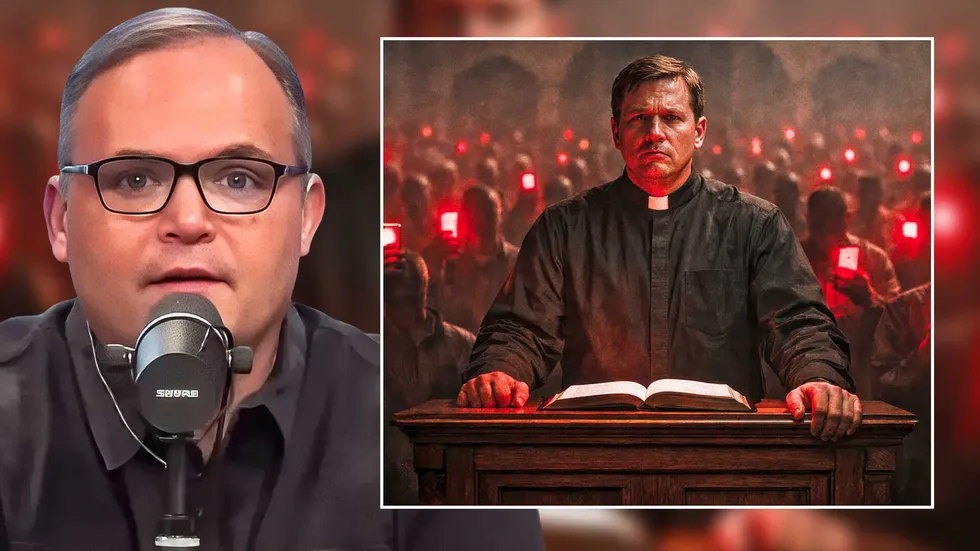
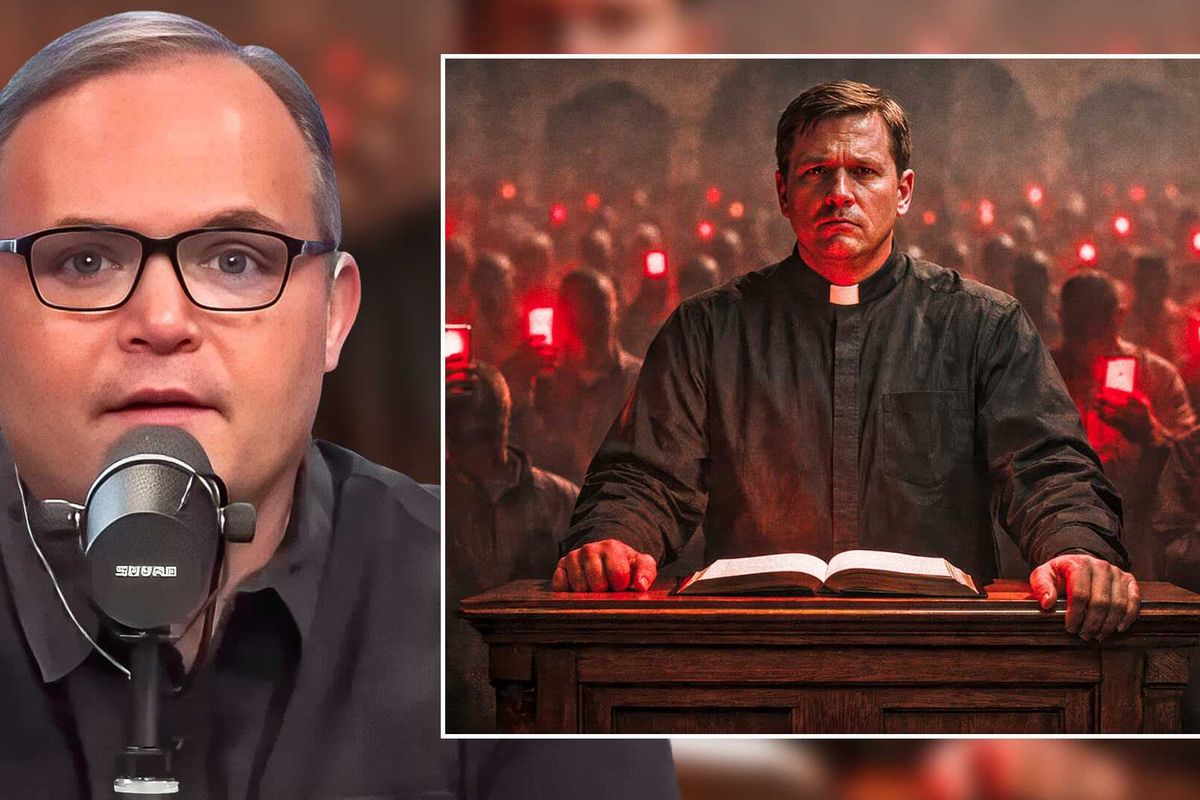
Joel Osteen preaches a heretical prosperity gospel; Timothy Keller’s “third way” softens biblical truth for acceptability; and Rick Warren’s seeker-sensitive approach waters the gospel down into a self-help guide.
Live Your Best Retirement
Fun • Funds • Fitness • Freedom
What do all three of these pastors have in common?
They “were really not preaching so much for the people in the pews but because they wanted a broader cultural acceptance from more mainstream or academic or globalist institutions,” says BlazeTV host Steve Deace. “And so they altered their approach as pastors within their own churches in order to appeal to an audience that was actually not sitting in their churches."
While Osteen, Keller, and Warren belong to an older generation of preachers, Deace is concerned that that same hunger for approval is cropping up in younger generations of pastors who have been seduced by social media fame.
On this episode of the “Steve Deace Show,” Deace interviews senior pastor of East River Church in Ohio, Michael Foster, about how influencer culture is slowly creeping in and corroding the pulpit.
Some of these young pastors, says Deace, are “not really preaching to Michael in the third row whose marriage is on the rocks, and he's lost the respect of his kids, and he doesn't know how to get it back. [They’re] preaching to @dontjewmebro43 on X.”
“I'm not really preaching the gospel to him, but I'm preaching some nascent gospel applications that may or may not be adjudicated properly in order ... to feed his fury, to give me the engagement that I want,” he rails, imitating these people-pleasing ministers.
Foster, who’s written several essays on this subject, says that it’s critical that pastors know their individual sheep.
“He's got particular sheep. You see this in the New Testament when you have Paul preaching the same gospel, the same teaching, but he addresses problems in Colossae that aren't in Corinth and problems in Corinth that aren't in Colossae,” he says.
On the other hand, “Influencing speaks to ... broad generalizations over a national level.”
“Because the influencer online social media culture is such a huge part of our lives, it is reshaping ministry right now where people are speaking to not maybe the actual issues in their church but the things that they're hearing other people talk about in their feeds,” says Foster.
“It’s training people to not be pastors anymore, just to be talking heads, to be commentators.”
“Is there a way for you as a pastor to avoid falling into this trap without a really solid elder board and accountability in your life personally?” asks Deace.
That question, says Foster, is the equivalent of asking: “Could you ride a roller coaster without a roller coaster bar and survive it?”
There are three tips he gives to ministers that will help ensure they stay in the lane of pastor and not veer into the influencer lane:
1. Strong elders who are involved in sermons and accountability.
2. Tailor sermons toward specific congregational needs, not broad issues/topics.
3. Reject fame and notoriety if they come.
On the latter, Foster says, “You have to have an abusive relationship with celebrity as a pastor. I think you have to hate it, right? Spit in its face. If it comes back for more, well, that was its choice.”
To hear more of the conversation, watch the video above.
Want more from Steve Deace?
To enjoy more of Steve's take on national politics, Christian worldview, and principled conservatism with a snarky twist, subscribe to BlazeTV — the largest multi-platform network of voices who love America, defend the Constitution, and live the American dream.
What's Your Reaction?
 Like
0
Like
0
 Dislike
0
Dislike
0
 Love
0
Love
0
 Funny
0
Funny
0
 Wow
0
Wow
0
 Sad
0
Sad
0
 Angry
0
Angry
0

I am just an average American. My teen years were in the late 70s and I participated in all that that decade offered. Started working young, too young. Then I joined the Army before I graduated High School. I spent 25 years in, mostly in Infantry units. Since then I've worked in information technology positions all at small family owned companies. At this rate I'll never be a tech millionaire. When I was young I rode horses as much as I could. I do believe I should have been a cowboy. I'm getting in the saddle again by taking riding lessons and see where it goes.















Comments (0)