

Fight Over Climate Chapter Exposes Tensions Between Judicial Neutrality And Activist Lawfare
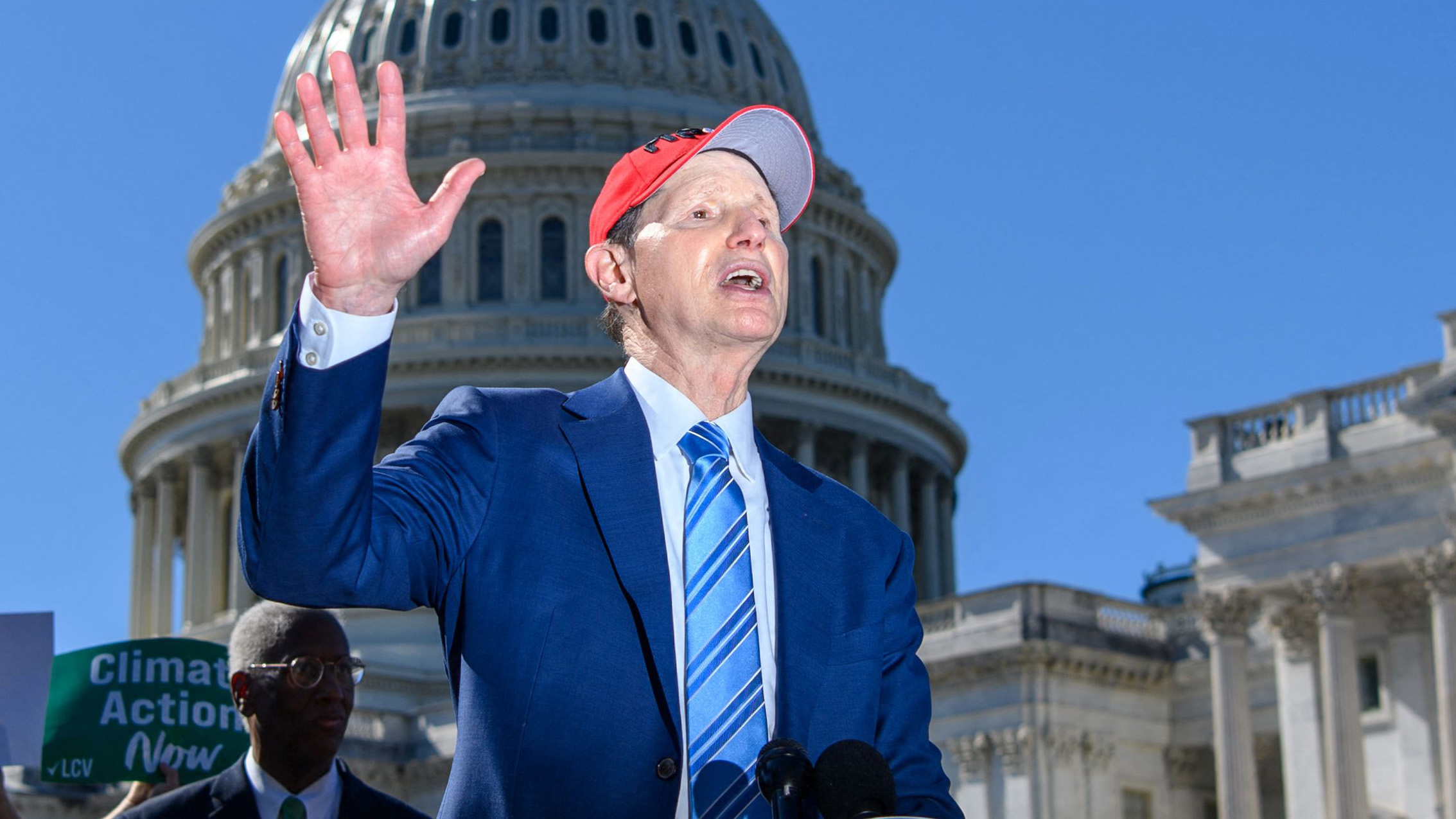
Democratic lawmakers are twisting the federal judiciary’s arm to restore a controversial climate science chapter that was recently removed from its flagship reference guide for judges, a move that comes amid broader scrutiny over the intersection of climate litigation, judicial education, and political advocacy.
Live Your Best Retirement
Fun • Funds • Fitness • Freedom
At stake is not merely a single chapter in a reference book, but the perception of neutrality in how federal judges are trained to evaluate complex scientific claims, particularly when those claims sit at the center of high-dollar, politically charged litigation campaigns still unfolding in courts across the country.
According to reporting from Politico, a group of Senate Democrats led by Ron Wyden (D-OR) sent a letter Friday urging the Federal Judicial Center (FJC) to reinstate a deleted climate chapter from the latest edition of the Reference Manual on Scientific Evidence. The lawmakers argued that removing the chapter “sends a clear and chilling message that the federal judiciary is susceptible to partisan political pressure.”
The FJC is the research and education wing of the judicial branch. It guides and trains federal judges, gives resources, publishes materials, and maintains resources on federal judicial history and procedures.
The Reference Manual is widely used by federal judges as a guide to evaluating complex scientific and technical evidence. The now-removed climate section had drawn objections from a group of state attorneys general who argued that it adopted contested climate attribution methodologies and liability theories that mirror arguments currently being advanced in active climate lawsuits against energy companies. Critics contended that including such material in an official judicial reference guide risked lending institutional credibility to one side of ongoing litigation.
The FJC has not publicly characterized the removal as politically motivated, but the timing followed the objections, prompting Democrats to frame the move as capitulation to outside pressure.
Senator Wyden’s advocacy for restoring the chapter has also drawn attention because of his financial and public ties to a climate litigation attorney whose courtroom tactics have faced scrutiny.
Federal Election Commission records show Wyden has received approximately $11,000 in campaign contributions from Roger Worthington, an Oregon-based attorney involved in climate liability cases.
Worthington has been associated with legal strategies seeking to hold fossil fuel companies financially responsible for climate-related damages. He has also donated hundreds of thousands of dollars to democratic campaigns and causes in the reliably blue state over his career.
Worthington’s litigation conduct has itself become a point of ethics concerns. As reported by National Review, a court filing alleged that Worthington introduced scientific studies in litigation that he had helped fund without disclosing his involvement, presenting them instead as independent research. During a hearing on the matter, Multnomah County Circuit Judge Benjamin Souede rebuked the lack of transparency, stating, “It is not acceptable to submit a declaration by an expert that is based in part on a reliance on a scientific article that plaintiff’s counsel helped to fund without pointing out to the Court that that is so.”
The judge added that “no lawyer in the history of American jurisprudence thought it appropriate to submit an expert declaration relying on an article that the plaintiff’s lawyer helped buy.”
Additional reporting noted that a draft of a climate liability study appeared on Worthington’s firm’s website prior to publication and was later cited in court filings. The draft contained a watermark reading “DO NOT DISTRIBUTE UNDER REVIEW” while the link was later removed, the archived version is accessible online to verify this. The motion cited in that reporting argued the circumstances suggested involvement beyond that of a neutral observer.
As an attorney with a specialized background in climate litigation, Worthington has much to gain, as do other donors like him, from the reinstatement of the chapter. This dense web of donations, misdirection, and unethical behavior forms just a small part of the broader national backdrop to the dispute over the climate chapter’s inclusion in the Reference Manual.
The core question now confronting the judiciary’s education wing is whether incorporating new, novel, and actively litigated climate liability theories into official guidance risks blurring the line between neutral scientific explanation and advocacy-aligned framing.
What's Your Reaction?
 Like
0
Like
0
 Dislike
0
Dislike
0
 Love
0
Love
0
 Funny
0
Funny
0
 Wow
0
Wow
0
 Sad
0
Sad
0
 Angry
0
Angry
0

I am just an average American. My teen years were in the late 70s and I participated in all that that decade offered. Started working young, too young. Then I joined the Army before I graduated High School. I spent 25 years in, mostly in Infantry units. Since then I've worked in information technology positions all at small family owned companies. At this rate I'll never be a tech millionaire. When I was young I rode horses as much as I could. I do believe I should have been a cowboy. I'm getting in the saddle again by taking riding lessons and see where it goes.













Comments (0)