

Mamdani’s Homelessness Crisis: Urgent Course Correction Needed
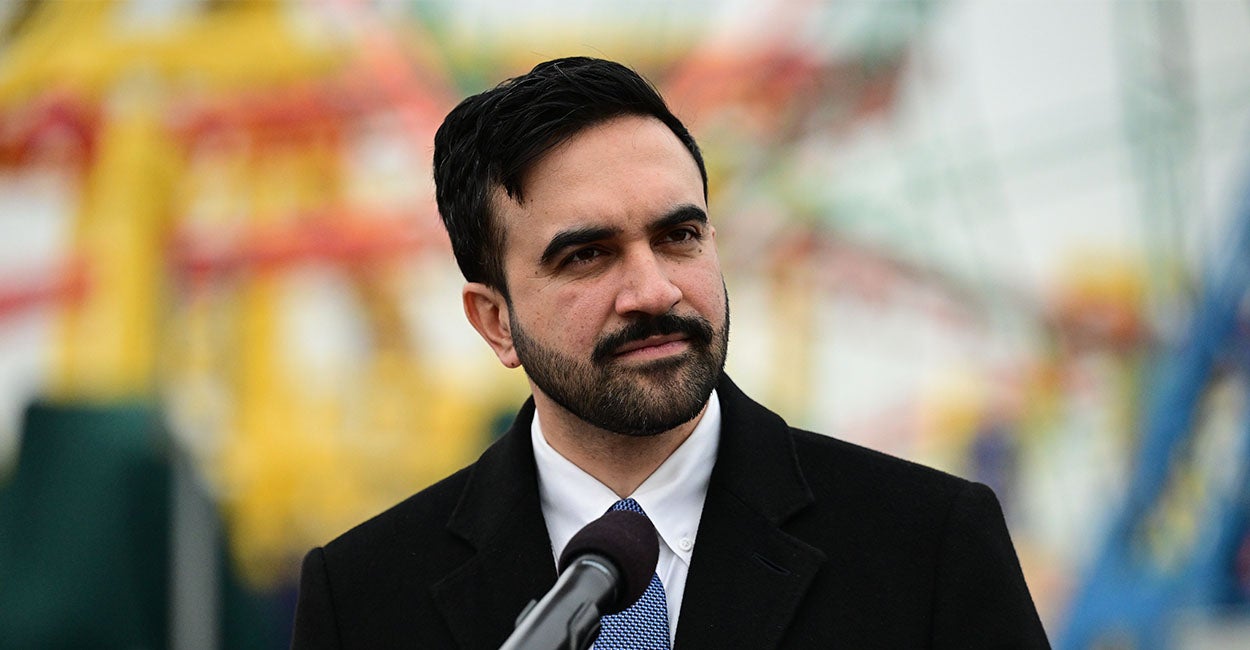
Allowing the homeless to languish on the streets is bad policy. Allowing the homeless to languish on the streets in severe winter weather can be a deadly policy.
Live Your Best Retirement
Fun • Funds • Fitness • Freedom
It took a tragic loss of life among New York City’s homeless during weeks of brutal cold for New York City Mayor Zohran Mamdani to figure that out. But finally, the mayor has said he will reinstate homeless encampment sweeps.
During the recent spate of arctic temperatures, 18 people died on New York City streets. By the beginning of February, New York City’s death toll from cold exposure had already outpaced previous totals for nearly every year between 2010 and 2019.
In January, the city opened extra shelters and warming stations and began providing outreach and transportation to the shelters. Yet for weeks, Mamdani refused to make people get off the streets and go to the shelters, even as the death toll climbed.
Prior to being sworn in as mayor in January, Mamdani pledged to stop removing homeless encampments, a reversal of his predecessor Eric Adams’ policy. Mamdani apparently believes that removing people from public property is unjust.
Finally, the mayor has budged though and is reinstating the sweeps.
His ideology that people should be allowed to camp on public property, even in brutal weather, overlooked the reality that many people on the street have mental illnesses, are dealing with drug addictions, or both. Many are not in a state of mind to do what’s in their best interest (like going into a shelter when temperatures are life-threatening).
People living on the streets are at high risk of crime and violence too, and as we’ve seen, harm from severe weather.
The democratic socialist mayor apparently sees homelessness as a matter of the wrong government policies, which seems to mean simply not enough government low-income housing. He fails to understand that homelessness is often driven by deeper human needs.
With that approach, Mamdani’s big plan is to build more government housing. His administration will double down on failed ”housing first” policies, which provide permanent supportive housing without any requirements on the part of the recipient (such as requirements to abstain from drug use, or participate in addiction recovery, mental health treatment, or job training).
New York City has focused on “housing first” policies for decades now, and the federal government has indulged in prioritizing housing first for two decades.
But housing first has failed to reduce homelessness, and researchers also repeatedly find that it fails to improve outcomes like mental health and drug and alcohol abuse.
The number of homeless in the U.S. has soared, even as housing first programs have climbed.
For example, researchers find that federal spending on homelessness—with the bulk of it going toward housing first—isn’t associated with a decline in homelessness.
California increased its supply of permanent supportive housing units by 25,000 during 2010 and 2019, while the number of people living on California’s streets increased by 50%.
Why doesn’t housing first reduce homelessness? Probably because it keeps people in housing longer than they would otherwise be, so units remain occupied that could be available for others.
Housing first may also incentivize people to remain homeless longer if they expect they will get permanent housing. And communities that focus on housing first may also attract more homeless people to them.
These reasons are likely why it takes an estimated 10 units of permanent supportive housing to reduce homelessness by just one person, a wildly inefficient ratio.
Housing first can increase housing retention, but putting people in housing to languish with mental illness and substance abuse isn’t a good strategy. Yes, shelter is an important part of the equation, but the goal should be for people to get back on their feet and increase self-reliance, rather than simply putting them in permanent housing.
Mamdani needs to reverse course on housing first, like he did on encampment sweeps.
He should also work with law enforcement to address illegal immigration. New York City shelter numbers jumped drastically in 2023 and 2024, primarily driven by an influx of illegal aliens.
Shelter numbers remain high in 2026. Shelters should be available for New Yorkers, not overrun because leaders are unwilling to enforce immigration laws.
New York policymakers should also see that involuntary commitment laws are appropriately drafted so that those with severe mental illness can be placed in long-term psychiatric care. As it stands, New York’s involuntary commitment law gets just an average grade.
The law fails to concretely define what a “grave disability is” or to specifically define “psychiatric deterioration.” More psychiatric beds should be made available too if necessary (which is likely, given the severe lack of such beds in the U.S. today).
Instead of doubling down on failed housing first policies, Mamdani’s administration should focus primarily on transitional housing and “treatment first” programs that couple short-term shelter with requirements to participate in work training, drug treatment, and mental health programs.
Treatment-first programs are more effective at helping people improve their lives, because they focus on addressing the causes of homelessness.
People can’t always escape the consequences of what mother nature inflicts, such as a brutally cold winter. But policymakers shouldn’t exacerbate the problem of homelessness with misguided policies. Fortunately, Mamdani is taking one step in the right direction. Let’s hope it won’t be the last one on this matter.
The post Mamdani’s Homelessness Crisis: Urgent Course Correction Needed appeared first on The Daily Signal.
What's Your Reaction?
 Like
0
Like
0
 Dislike
0
Dislike
0
 Love
0
Love
0
 Funny
0
Funny
0
 Wow
0
Wow
0
 Sad
0
Sad
0
 Angry
0
Angry
0

I am just an average American. My teen years were in the late 70s and I participated in all that that decade offered. Started working young, too young. Then I joined the Army before I graduated High School. I spent 25 years in, mostly in Infantry units. Since then I've worked in information technology positions all at small family owned companies. At this rate I'll never be a tech millionaire. When I was young I rode horses as much as I could. I do believe I should have been a cowboy. I'm getting in the saddle again by taking riding lessons and see where it goes.


















Comments (0)