

Trump’s greatest advantage is speed — and he’s wasting it in Iran
Premium domains for sale
Freedom Is Back In Style
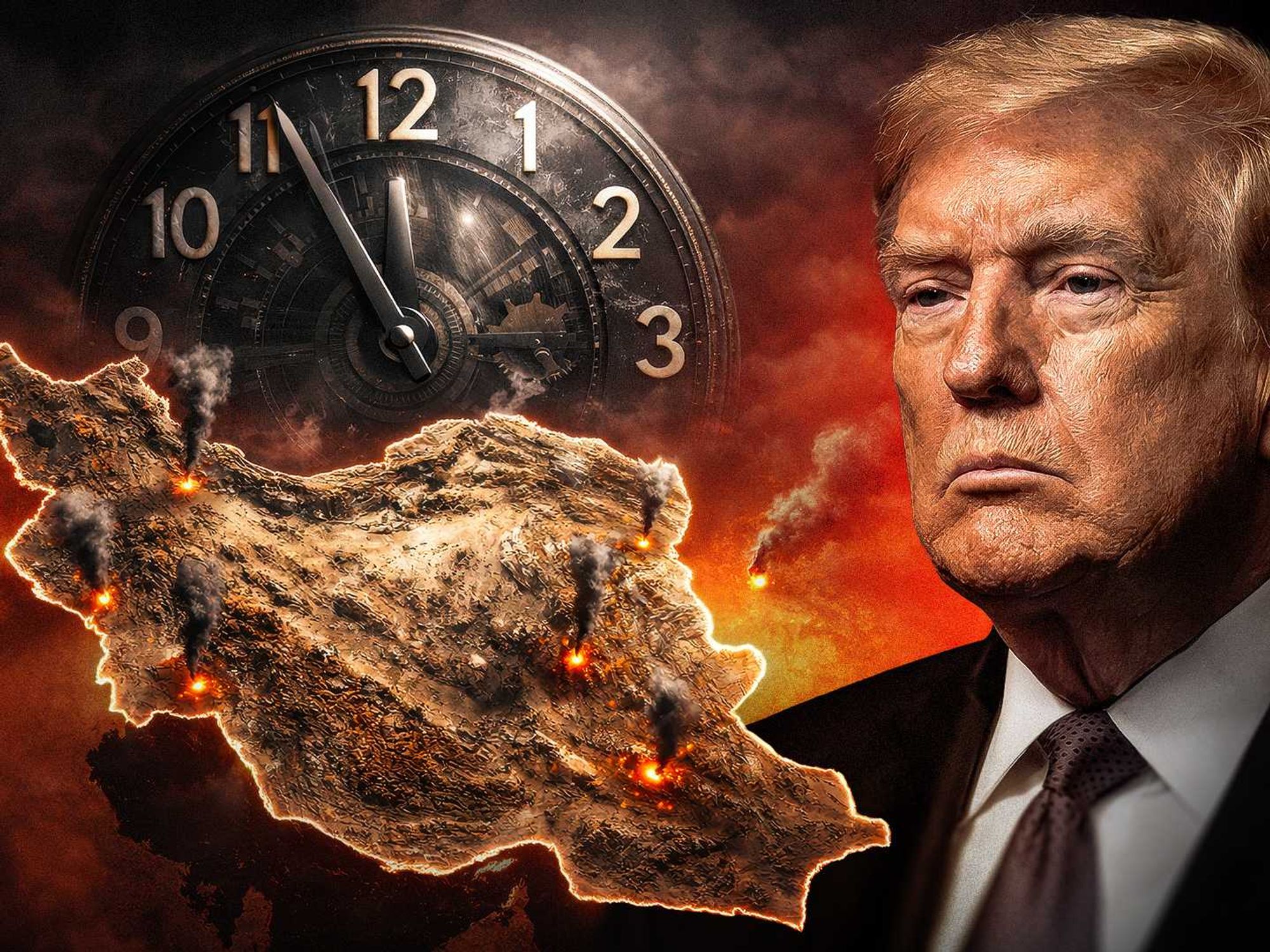
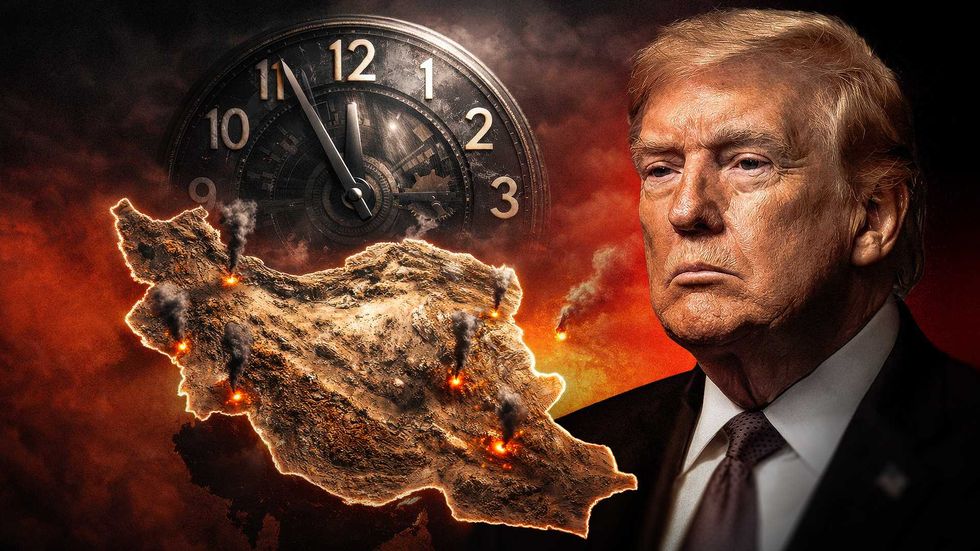
The war in Iran has entered its second week, and the Trump administration is fighting on two fronts: the physical battlefield and the narrative one.
Freedom Is Back
In Style
Premium domains for sale
Freedom Is Back
In Style
Premium domains for sale
Most Americans expected U.S. firepower to dominate, and it has. Seven American service members have died so far, but Iran has suffered far heavier losses in lives and materiel. Even those surprised by the damage Iran managed to inflict on U.S. allies can see the basic reality: Tehran is outmatched. The real question was never whether the United States had superior force. The question was whether the administration could sustain support long enough to translate force into victory.
Trump built a foreign policy around brief, decisive action in America’s interest. He should stick with it — and finish this war — while the window for narrative victory remains open.
That challenge matters more for Trump than for most modern presidents. He was never an isolationist. His second-term foreign policy has relied on limited but highly effective strikes rather than long occupations. He has projected power through single bombing runs and midnight raids, then exited before the mission metastasized into a nation-building project. Skeptics of foreign intervention grumbled, then quieted down when operations stayed brisk, competent, and contained.
That becomes more difficult when “contained” turns into weeks and potentially months.
“Boots on the ground” has become the clearest public marker of commitment. If the conflict remains primarily air and naval, most voters will still read it as limited engagement. Costs will rise and gas prices will sting, but casualties will likely remain comparatively low. A sharp show of force followed by a clear exit would keep the war from becoming a long-term liability. Whether he intended it or not, Trump has likely gambled the remainder of his term on avoiding that trip wire.
The Iranians know it. So does the administration.
That’s why Tehran keeps daring Washington to deploy ground troops. Iran’s leaders don’t believe they can beat American infantry in a straight fight. They’re betting the war loses support the moment U.S. ground forces start taking steady casualties.
George W. Bush enjoyed a powerful rally-around-the-flag boost after 9/11, and his administration spent months building a public case for war. Trump has no comparable national trauma to unify the country, and his administration did not spend much time laying out the necessity of this war before it began. That means his narrative window of victory is narrower by default — and it can close fast.
Secretary of War Pete Hegseth appears to understand the dynamic, but he also understands a basic rule: You don’t win wars by announcing what you will not do. If the administration takes ground troops off the table, it tells Tehran that patience equals victory — that holding out long enough will force America to go home.
So Hegseth keeps the option alive. Practically, that means he keeps getting dragged into briefings where he must say ground deployments remain possible. The media treats that as the headline. Anxiety rises. “Boots on the ground” starts to feel inevitable, even when it remains only a contingency. The administration takes a beating in the public mind with every news cycle.
RELATED: America First can’t survive an Iran quagmire
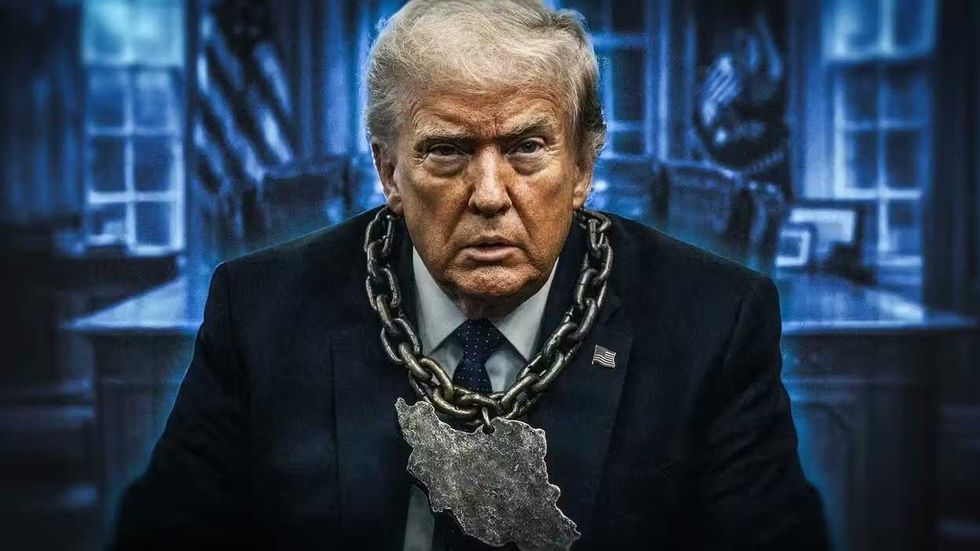 Blaze News Illustration
Wars have always had a narrative battle, but the pace has changed. News doesn’t arrive weeks later in a paper or even once a night on television. It hits phones all day, in an endless stream of micro-skirmishes designed to create dread and exhaustion.
No one really doubts U.S. military superiority. Iraq and Afghanistan proved that military superiority is not enough. America toppled regimes quickly, then watched “mission accomplished” become a punch line for years of occupation and nation-building.
Trump hinted recently that operations in Iran are nearly complete. If true, that’s the right direction. The old supreme leader is dead, along with many key figures, and the new supreme leader already may have been gravely injured. Iran’s naval and air capacity has been degraded. Tehran has isolated itself further by striking a range of U.S. allies. Trump could declare meaningful victory now and begin drawing down forces, preserving the very pattern that kept his base — skeptical of intervention — largely onside: quick, effective strikes with limited U.S. casualties.
Trump has also said Israel will have a say in when the war ends. It shouldn’t.
The United States is sovereign. It is also the senior partner in a conflict Israel could not possibly execute alone. The administration has already acknowledged that Israel’s decision to strike materially reshaped U.S. war planning. That is a mistake not to repeat. Prime Minister Benjamin Netanyahu has made clear that long-term regime change is Israel’s goal. If Israel wants that objective, it should secure it on its own terms.
Trump built a foreign policy around brief, decisive action in America’s interest. He should stick with it — and finish this war — while the window for narrative victory remains open.
What's Your Reaction?
 Like
0
Like
0
 Dislike
0
Dislike
0
 Love
0
Love
0
 Funny
0
Funny
0
 Wow
0
Wow
0
 Sad
0
Sad
0
 Angry
0
Angry
0

I am just an average American. My teen years were in the late 70s and I participated in all that that decade offered. Started working young, too young. Then I joined the Army before I graduated High School. I spent 25 years in, mostly in Infantry units. Since then I've worked in information technology positions all at small family owned companies. At this rate I'll never be a tech millionaire. When I was young I rode horses as much as I could. I do believe I should have been a cowboy. I'm getting in the saddle again by taking riding lessons and see where it goes.
Premium domains for sale












Comments (0)