

‘Prove it’ isn’t an insult. It’s a standard.
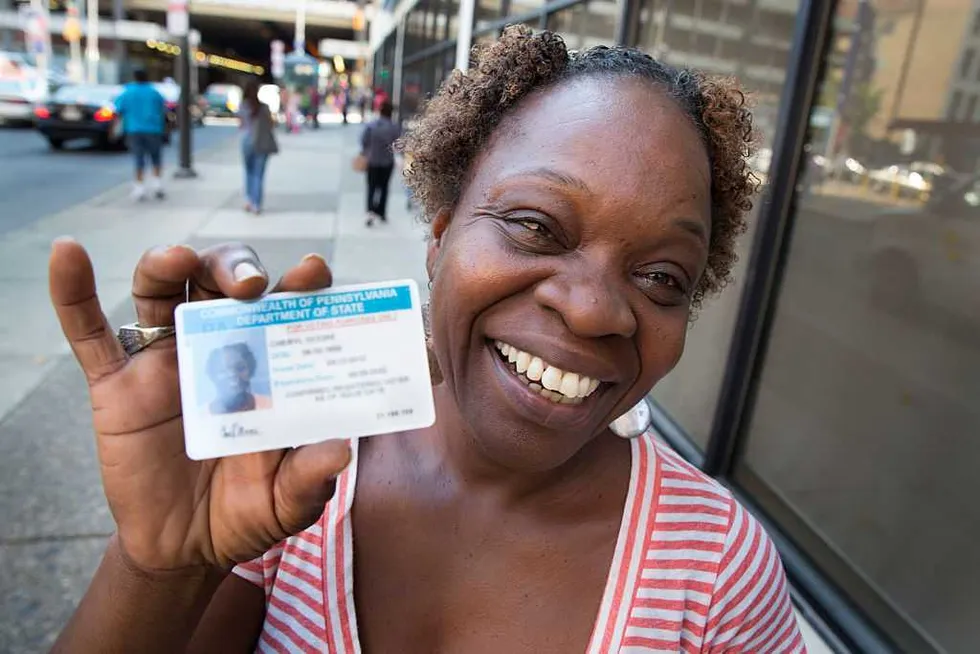
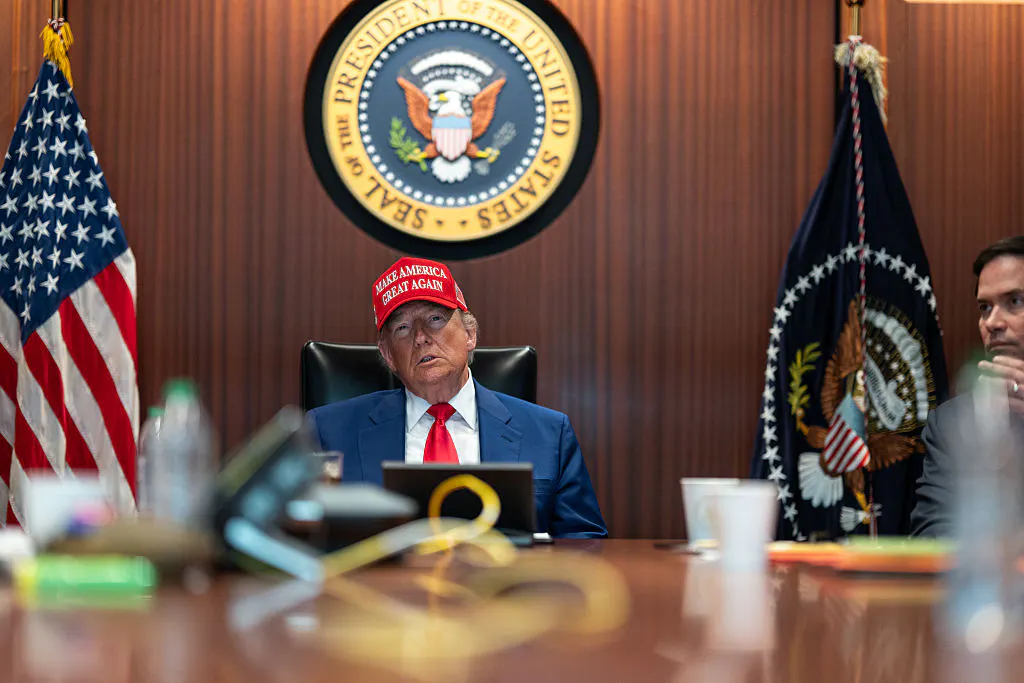
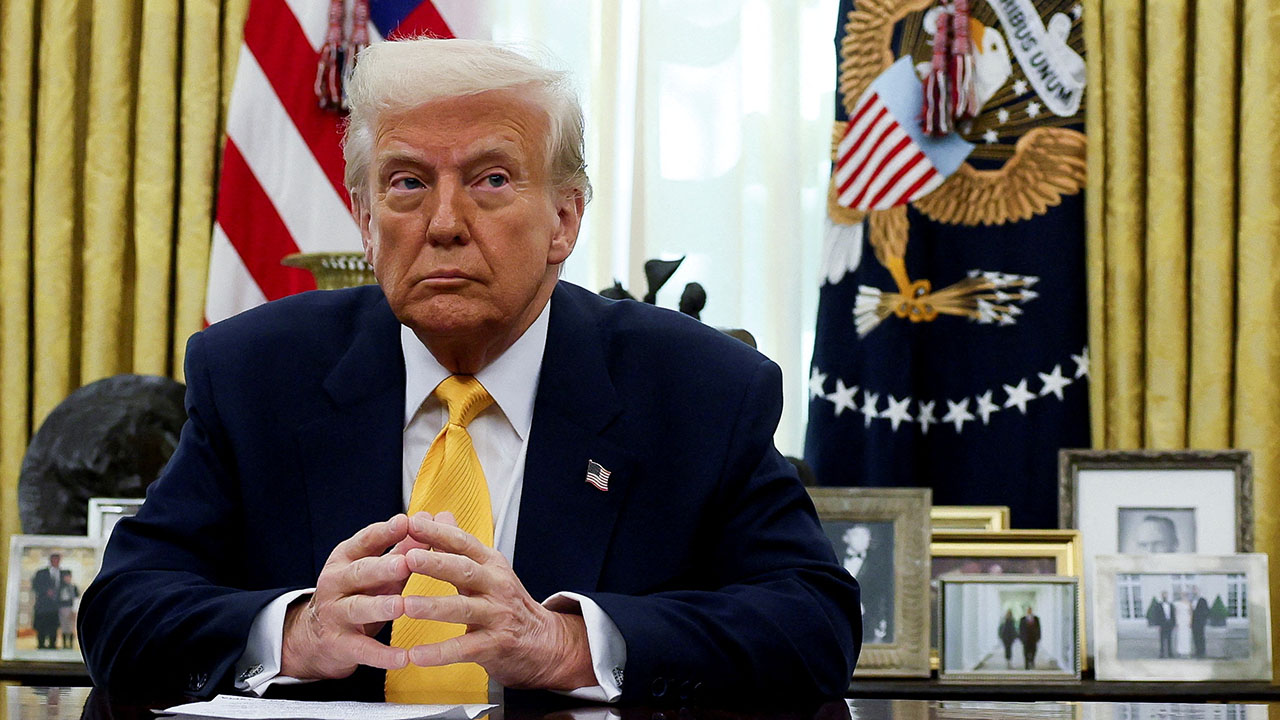
President Donald Trump last Friday night took to Truth Social to reiterate his support for voter ID and proof of citizenship for voting. His message was simple and direct: Elections should be decided by eligible American citizens.
Live Your Best Retirement
Fun • Funds • Fitness • Freedom
That position aligns with what most Americans say they want.
Equal protection under the law means rules apply consistently. A system built on uneven standards invites uneven trust.
According to the Pew Research Center, 83% of Americans support “requiring all voters to show government-issued photo identification.” In a divided country, that level of agreement is rare. It signals a broad desire for clear, consistent standards that bolster confidence in election outcomes.
When an eligible American citizen goes to vote, he should feel confident that his ballot counts — and carries equal weight. Confirming who can vote before a ballot is cast helps ensure that elections are decided only by eligible American citizens.
If you need ID to board a plane or open a bank account, you can show it at the ballot box. Americans understand that identity verification is not an accusation. It is a safeguard. It protects a system that depends on public trust. When identity is confirmed clearly and consistently, disputes shrink and confidence rises.
Recent examples show why verification matters — even when fraud is not the story.
In 2020, Illinois election officials acknowledged that a computer error in the state’s automatic voter registration system mistakenly forwarded information from hundreds of people who had indicated they were not U.S. citizens for voter registration processing. Officials later reviewed and corrected the registrations, but a number of ballots were cast before the error was identified.
The issue was corrected. But it illustrates a broader point: When eligibility is not verified clearly at registration, mistakes can occur and must be remedied after the fact. Verification after ballots are cast invites confusion and fuels public doubt.
Wisconsin offers a different example. Under state law, voters who appear without acceptable identification must cast provisional ballots until their eligibility is confirmed. Provisional ballots are lawful and part of election administration. But they shift verification from prevention to review. In closely contested elections, post-election verification increases administrative burdens and can invite disputes.
These examples do not prove widespread fraud. They do show that when verification standards are incomplete or inconsistently applied, administrative strain and public doubt follow. Clear verification before voting reduces disputes after voting.
That is the principle behind the SAVE Act. It would strengthen eligibility verification by requiring documentary proof of citizenship when registering to vote, while promoting clearer standards nationwide.
RELATED: Running out the clock won’t save the majority
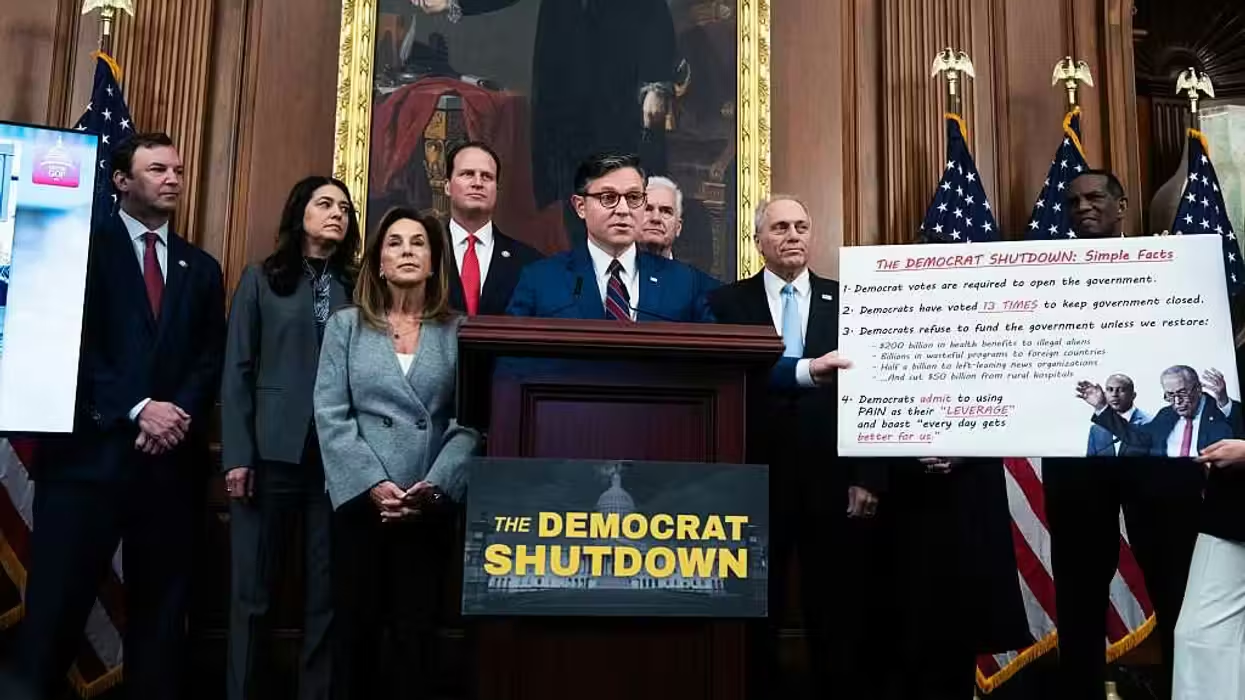 Tom Williams/CQ-Roll Call Inc. via Getty Images
The idea is straightforward: Confirm eligibility before ballots are cast. Support election administrators with consistent rules. Help ensure that elections are decided only by eligible American citizens.
Most states already require some form of voter identification at the polls, but the rules still vary widely. When eligibility is verified differently from state to state, public confidence varies as well. A system built on uneven standards invites uneven trust.
Equal protection under the law means rules apply consistently. At the ballot box, equal protection means every lawful vote carries the same weight. This is not about partisanship. It is about clarity — ensuring that the person casting a ballot is who he says he is.
The ballot box deserves the same seriousness Americans expect elsewhere in civic life. Voter ID is one of the simplest and most broadly supported safeguards available. It does not prevent eligible citizens from voting. It affirms that voting is a serious civic act deserving of clear and consistent standards.
Only eligible American citizens should decide elections. Requiring voter identification is one of the most practical ways to uphold that principle. The SAVE Act reflects that basic governing commitment.
What's Your Reaction?
 Like
0
Like
0
 Dislike
0
Dislike
0
 Love
0
Love
0
 Funny
0
Funny
0
 Wow
0
Wow
0
 Sad
0
Sad
0
 Angry
0
Angry
0

I am just an average American. My teen years were in the late 70s and I participated in all that that decade offered. Started working young, too young. Then I joined the Army before I graduated High School. I spent 25 years in, mostly in Infantry units. Since then I've worked in information technology positions all at small family owned companies. At this rate I'll never be a tech millionaire. When I was young I rode horses as much as I could. I do believe I should have been a cowboy. I'm getting in the saddle again by taking riding lessons and see where it goes.




Comments (0)