

SEC to Investigate Role of Alleged Activist Insiders in Corporate Voting
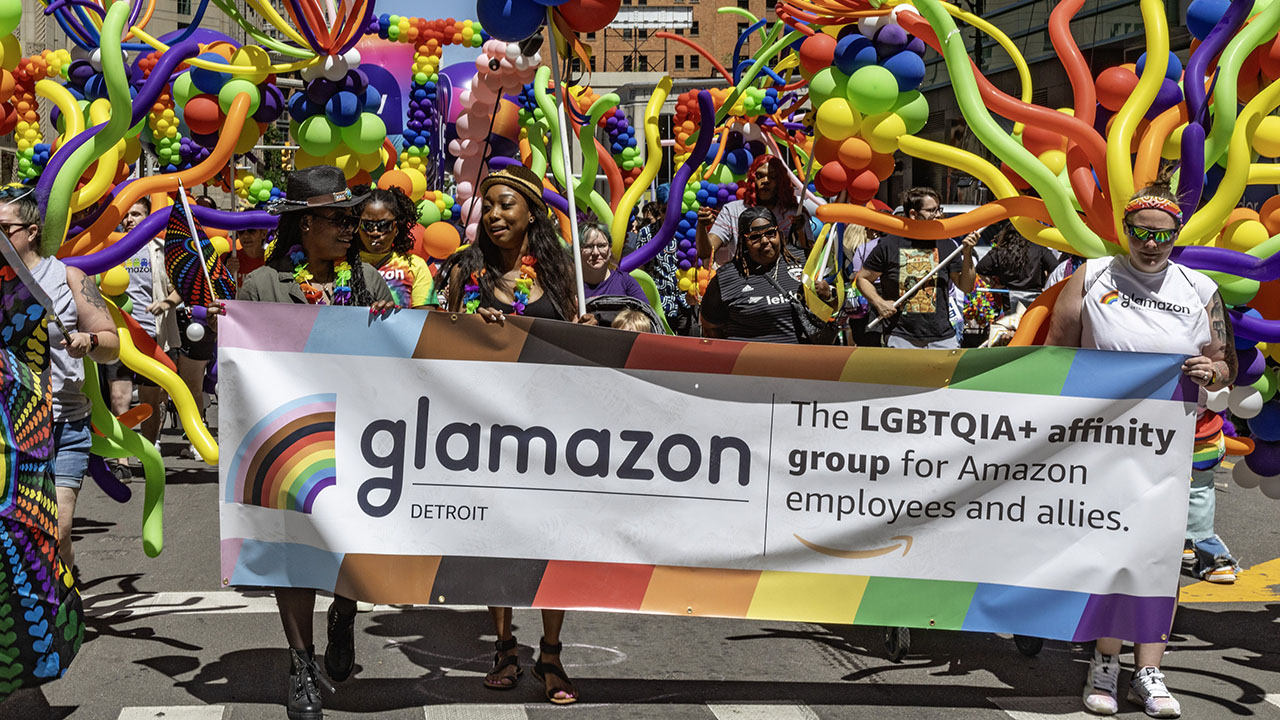
The left-wing environmental, social, and governance movement, which only a few years ago was deeply embedded in corporate America, is now facing an assault on one of its greatest sources of leverage and control—the corporate proxy vote.
Live Your Best Retirement
Fun • Funds • Fitness • Freedom
Proxy voting is the process by which asset managers vote on corporate actions on behalf of the end investors in their funds. President Donald Trump took action on Dec. 11 against two firms that have a virtual duopoly in advising these asset managers how to vote.
Trump’s executive order charged that the “foreign-owned and politically-motivated” proxy agents “regularly use their substantial power to advance and prioritize radical politically-motivated agendas—like ‘diversity, equity, and inclusion’ and ‘environmental, social, and governance’—even though investor returns should be the only priority.”
Two firms —German-owned Institutional Shareholder Services and Canadian-owned Glass Lewis—control more than 90% of the proxy advisory market. Many conservatives applauded the action against them.
“This Executive Order is an incredible step towards curtailing the runaway power of two foreign owned proxy advisors, ISS and Glass-Lewis, who have been using their outsized influence to push a far-left agenda in corporate America,” Will Hild, executive director of Consumers’ Research, told The Daily Signal.
“We are ecstatic that the administration is taking such an important steps towards refocusing American companies back into making money by serving their customers, not cozying up to foreign owned firms with nothing to lose from their poor voting advice.”
Charles Crain, vice president at the National Association of Manufacturers, likewise stated Trump’s order will address the outsized influence of the proxy duopoly and “investment advisers’ over-reliance on these under-regulated entities.”
Trump’s order directs the SEC to review its rules regarding shareholder voting, particularly where they have been used to introduce ideology into corporate governance. It directs the SEC to enforce anti-fraud laws regarding “material misstatements or omissions contained in proxy advisors’ proxy voting recommendations.”
It also directs the SEC, the FTC, and the U.S. attorney general to investigate proxy advisers for anti-trust activity, consumer deception, and conflicts of interest. In addition to proxy advice, ISS and Glass Lewis offer ESG consulting and research services.
Tim Schwarzenberger, a portfolio manager with Inspire Investing, told The Daily Signal this order was “necessary and long overdue” and that “investors have been raising concerns about this politicization well before this administration.”
Institutional investors, including mutual funds, index funds, pension funds, banks and insurance companies, own an estimated 66% of the shares in the S&P 500 corporate index. Critics charge that activists have leveraged this power to drive corporate policies sharply to the left in recent decades.
And while fund managers have the right to vote those shares, it is the retail investors and pensioners, who rely on such funds for savings or retirement, that suffer when companies become politicized.
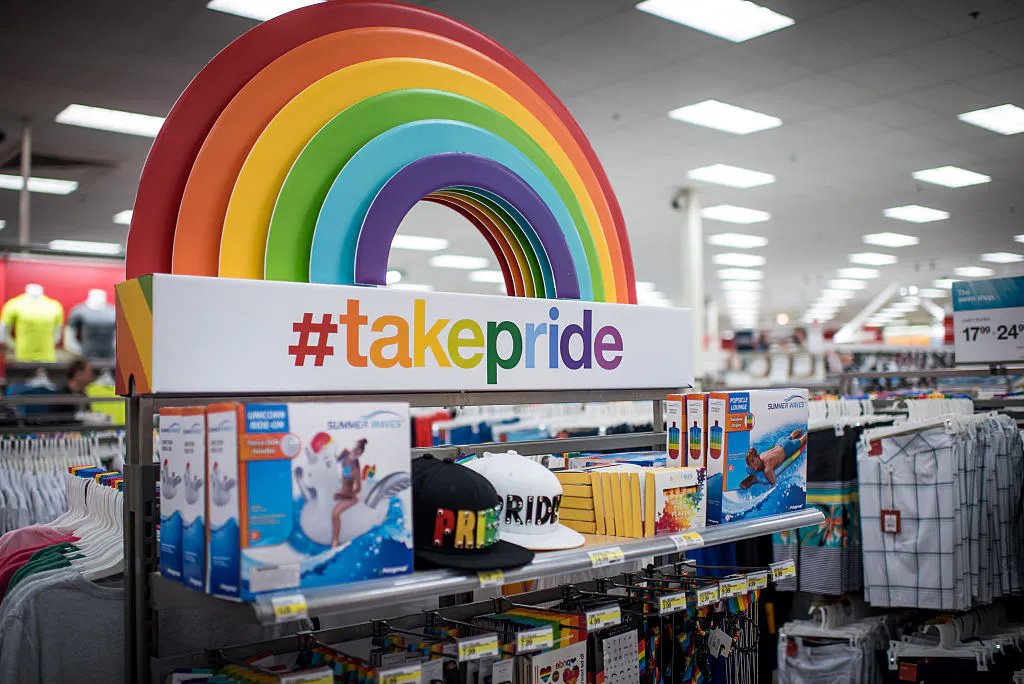
The shares of companies, like Disney, Target, Anheuser-Busch, and most recently Netflix, took significant hits after attaching their brands to left-wing social agendas.
Proxy advisers, however, deny that they have engaged in political advocacy.
In response to Trump’s order, ISS stated that they “remain committed to engaging constructively with the three federal agencies named in the order” and that “our research, voting policies, and vote recommendations are based on apolitical, thorough, independent, and objective analysis.
“Our clients are sophisticated institutional investors who determine how they wish to vote in accordance with their own differentiated investment objectives by selecting from a range of voting policies that guide our work on their behalf,” the company stated.
Critics see it differently, however.
“Proxy advisers are supposed to provide objective guidance focused on shareholder value, but the proxy system has been increasingly used to advance political goals through shareholder proposals that often have little connection to financial performance,” Utah State Treasurer Marlo Oaks told The Daily Signal. “[Trump’s] executive order reaffirms a basic principle: proxy advice should be grounded in material financial considerations, not social or political agendas, regardless of who is in office.”
Trump’s executive order could have risks as well as benefits for the ability of shareholders to have a voice in corporate governance.
“The EO creates the opportunity for meaningful reform, but its effectiveness will depend on how the SEC implements changes, particularly with respect to proxy voting rules and the Rule 14a-8 shareholder proposal process,” Schwarzenberger said.
Rule 14a-8 of the Securities Exchange Act of 1934 permits eligible shareholders to petition companies with proposals and statements at shareholder meetings. Trump’s order directs the SEC to review this rule as well.
“For all its imperfections, Rule 14a-8 currently remains the most practical and efficient mechanism for shareholders to hold companies accountable through the proposal process,” Schwarzenberger said. “It provides a structured, transparent, and relatively low-cost avenue for engagement that channels shareholder concerns into dialogue rather than litigation.”
However, it has also provided inroads for political and social activism.
Trump’s order “does not fully resolve deeper structural problems in the shareholder-proposal system, such as low ownership thresholds, repeat submissions, and proposals loosely tied to corporate performance,” Oaks said.
These elements have allowed activists to purchase modest amounts of stock—the minimum threshold is $2,000—in order to submit proposals.
The Daily Signal contacted Glass Lewis but did not receive a response.
The post SEC to Investigate Role of Alleged Activist Insiders in Corporate Voting appeared first on The Daily Signal.
What's Your Reaction?
 Like
0
Like
0
 Dislike
0
Dislike
0
 Love
0
Love
0
 Funny
0
Funny
0
 Wow
0
Wow
0
 Sad
0
Sad
0
 Angry
0
Angry
0

I am just an average American. My teen years were in the late 70s and I participated in all that that decade offered. Started working young, too young. Then I joined the Army before I graduated High School. I spent 25 years in, mostly in Infantry units. Since then I've worked in information technology positions all at small family owned companies. At this rate I'll never be a tech millionaire. When I was young I rode horses as much as I could. I do believe I should have been a cowboy. I'm getting in the saddle again by taking riding lessons and see where it goes.



















Comments (0)