

Mysterious numbers station broadcasts coded messages in Farsi amid Iran strikes — who’s behind it?
Premium domains for sale
Freedom Is Back In Style
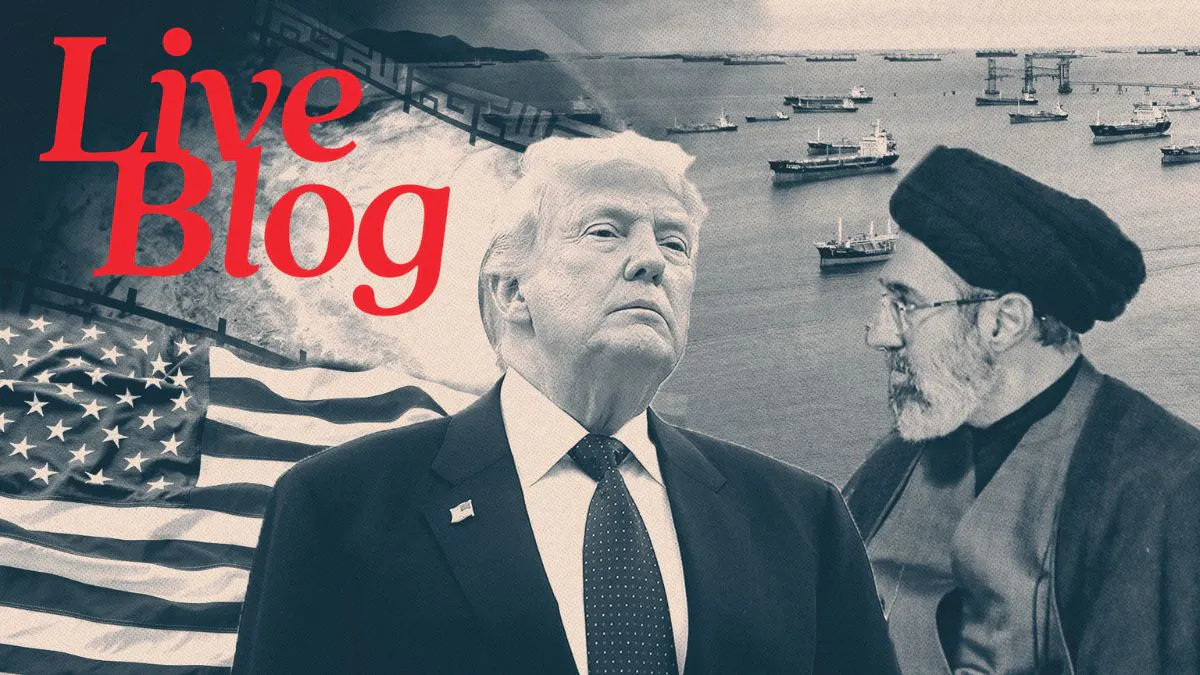
Immediately after the U.S. and Israel launched joint strikes on Iran in late February, a mysterious shortwave radio signal began broadcasting coded messages in Farsi. Twice daily, a man’s voice reads groups of seemingly random numbers — an old Cold War-era spy tactic rarely seen in recent decades. As of now, no one knows for certain who's behind it.
Freedom Is Back
In Style
Premium domains for sale
To dive deeper into this curious resurgence of a classic espionage method, Glenn Beck speaks with his chief researcher and former Department of Defense intelligence analyst, Jason Buttrill.
Numbers stations, Buttrill explains, were “something that was used for very highly sensitive communications that one country — whether it was NATO country, U.S., or the Soviet Union — would send out all over the world.”
“People always kind of assumed it was meant for maybe sleeper agents or instructions for people outside the country to do something. ... The numbers could represent words out of books or who knows what. But you’re not going to be able to break it very easily, if at all,” he adds.
What makes the numbers station currently broadcasting in Iran so suspicious, he says, is that we have no idea who’s behind it.
“We don’t know if the Iranians started this broadcasting that’s meant to go out of the country, or if this was something like a psy-op that we did, trying to broadcast in Farsi numbers into the country,” Buttrill tells Glenn.
Somebody, however — whether the U.S. or Iran — is actively trying to stop these communications because “five days after this started, ... somebody tried to jam this signal,” he says.
“The jamming would take a state actor, right?” Glenn asks.
“Typically, yes, a state actor — someone with the means — but that would usually be, like, a nation-state,” Buttrill responds.
“Or, you know, Bezos or Elon Musk or somebody who now has more money than the United States will ever have,” Glenn quips.
In the next part of the show, Glenn and Buttrill address the broader developments and strategic implications of the ongoing conflict in Iran. To hear it, watch the video above.
Want more from Glenn Beck?
To enjoy more of Glenn’s masterful storytelling, thought-provoking analysis, and uncanny ability to make sense of the chaos, subscribe to BlazeTV — the largest multi-platform network of voices who love America, defend the Constitution, and live the American dream.
More from this network:
Domains for Sale · GOTPeople.org · TheDSAPlatform · The Truth About Socialism
What's Your Reaction?
 Like
0
Like
0
 Dislike
0
Dislike
0
 Love
0
Love
0
 Funny
0
Funny
0
 Wow
0
Wow
0
 Sad
0
Sad
0
 Angry
0
Angry
0

I am just an average American. My teen years were in the late 70s and I participated in all that that decade offered. Started working young, too young. Then I joined the Army before I graduated High School. I spent 25 years in, mostly in Infantry units. Since then I've worked in information technology positions all at small family owned companies. At this rate I'll never be a tech millionaire. When I was young I rode horses as much as I could. I do believe I should have been a cowboy. I'm getting in the saddle again by taking riding lessons and see where it goes.
Premium domains for sale







Comments (0)