

The new activism looks a lot like mental illness
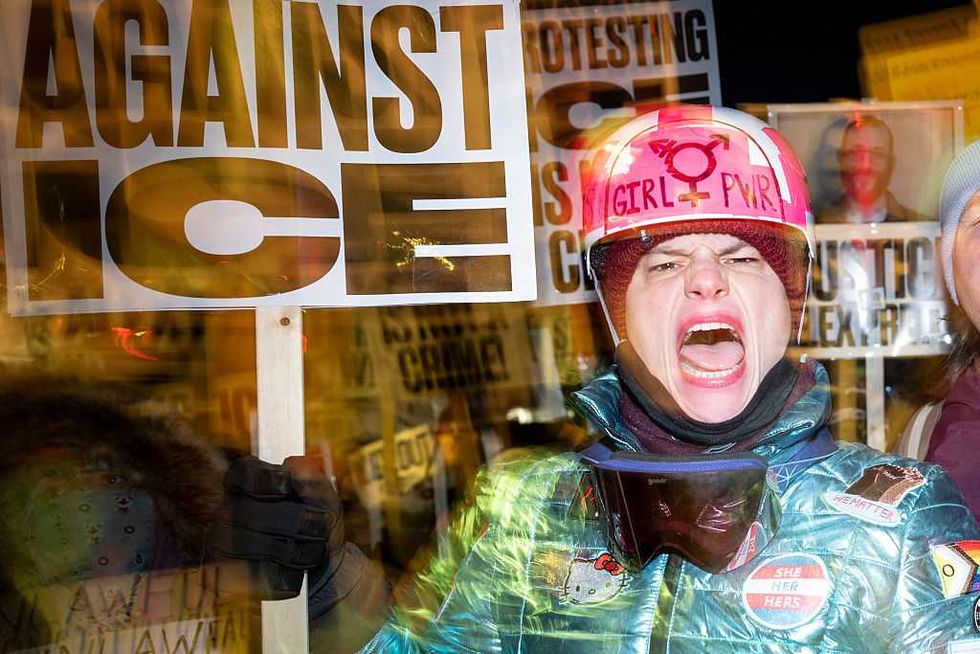
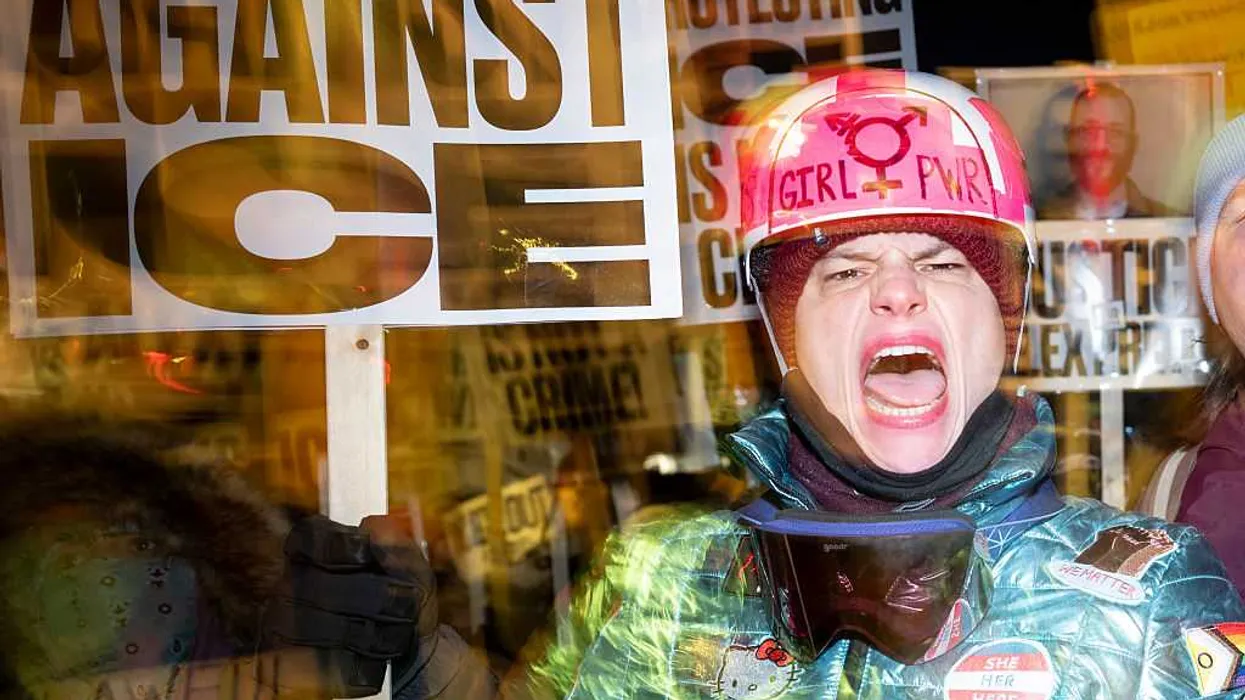
Anti-ICE rebels aren’t simply “protesters.” Protest is public dissent: signs, slogans, marches, chants, petitions. It aims to persuade. It does not ram police with cars, swing fists at agents, loot businesses, or try to provoke violence.
Live Your Best Retirement
Fun • Funds • Fitness • Freedom
When anti-ICE activists get detained or arrested, many shout “First Amendment” as if those two words erase everything that happened before the cuffs went on. The First Amendment protects speech, publication, and peaceful assembly. It does not give anyone a license to threaten people, incite lawless action, commit assault, trespass, vandalize property, or participate in criminal conspiracy and intimidation.
Clinical language can clarify motives, but it should not excuse crimes.
That distinction matters because many of today’s mobs don’t merely “speak.” They physically interfere with law enforcement. They obstruct operations. They harass officers and targets. They try to create fear.
We used to teach children to respect the rule of law and the people tasked with enforcing it. Today, many activists treat authority as the enemy by definition, and they feel entitled — sometimes obligated — to attack it.
Not every person in a crowd acts from the same motive. Still, the behavior patterns repeat often enough that clinical language can help explain what we’re seeing. I have divided these anti-ICE “rebels” into seven categories — not as formal diagnoses for individuals I have not examined, but as recurring profiles that show up in chaotic group behavior.
Trump derangement syndrome
Some rebels treat ICE as an extension of President Trump and react accordingly. In my view, this presents as an irrational, disproportionate fixation that can resemble “quasi-psychotic” hostility toward anything associated with Trump — spilling over to people and institutions that have little to do with him, including federal agents doing their jobs.
Celebrity worship syndrome
Some activists take cues from entertainers and influencers and translate slogans into action. This is an obsessive-addictive disorder more than mere fandom. Celebrity messaging can nudge fans from passive agreement to performative activism, especially when the cultural reward system prizes outrage. Public denunciations from stars can energize followers who want to prove loyalty through escalating conduct.
Mad hatters
Some participants display the impulsivity, defiance, and hostility toward authority that clinicians associate with oppositional-defiant disorder or conduct disorder. In its more destructive form, the behavior resembles conduct-disorder traits: aggression, property destruction, and contempt for basic social rules.
Lost souls
Some people arrive lonely, purposeless, or adrift. A mob offers identity, belonging, and a mission. The cause becomes a substitute for meaning, and the group’s adrenaline becomes a substitute for inner stability.
Regressed rioters
Some adults regress under stress and excitement into adolescent defiance — or younger. Think “terrible twos.” They seek confrontation, throw verbal tantrums, and act on impulse, not reason. They perform outrage as if outrage itself justifies whatever follows.
Mr. and Mrs. Personality
Certain personality disorders show up frequently in chaotic movements: paranoia, grandiosity, emotional volatility, hostility, and disregard for others’ rights. These traits can thrive in crowds because the crowd rewards extremity and dilutes individual accountability.
Substance abusers
Alcohol and drugs lower inhibition and increase risk-taking. For some, a riot becomes a party with a political soundtrack — an excuse to seek thrills while claiming a moral cause.
RELATED: ‘How low can they go?’ Maryland Democrat seeks to punish Trump-era ICE agents for doing their job
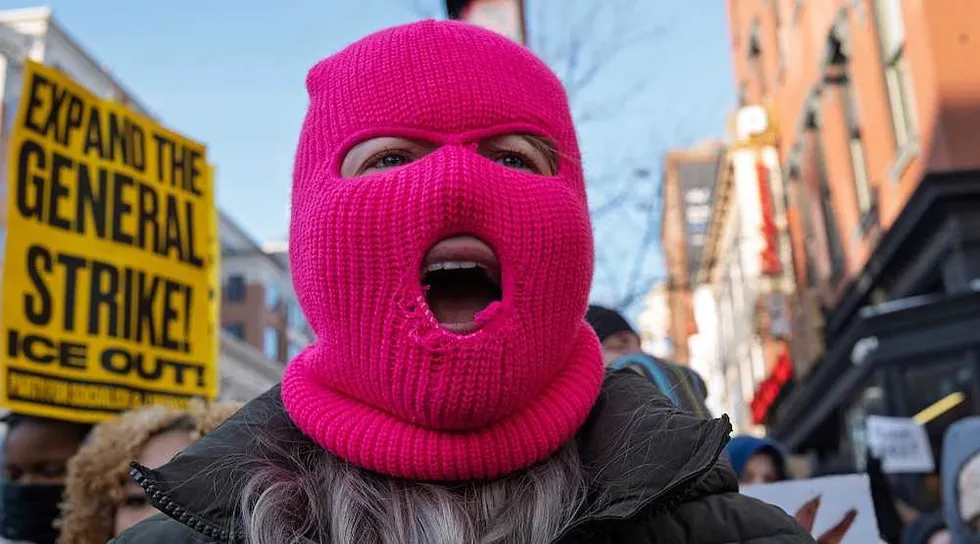 Getty Images
These categories help explain how a crowd can form so quickly, swing into panic, and turn predatory. People mirror each other. They feed on fear and moral fervor. They swarm, then strike.
Clinical language can clarify motives, but it should not excuse crimes. Anyone who assaults officers, obstructs enforcement, destroys property, or threatens people should face arrest, prosecution, and due process. Speech receives protection; violence does not.
ICE agents enforce federal law. They face danger, hostility, and organized intimidation. A society that treats mob coercion as “protest” abandons the rule of law — and endangers everyone.
What's Your Reaction?
 Like
0
Like
0
 Dislike
0
Dislike
0
 Love
0
Love
0
 Funny
0
Funny
0
 Wow
0
Wow
0
 Sad
0
Sad
0
 Angry
0
Angry
0

I am just an average American. My teen years were in the late 70s and I participated in all that that decade offered. Started working young, too young. Then I joined the Army before I graduated High School. I spent 25 years in, mostly in Infantry units. Since then I've worked in information technology positions all at small family owned companies. At this rate I'll never be a tech millionaire. When I was young I rode horses as much as I could. I do believe I should have been a cowboy. I'm getting in the saddle again by taking riding lessons and see where it goes.















Comments (0)