

The Venezuela crisis was never just about drugs
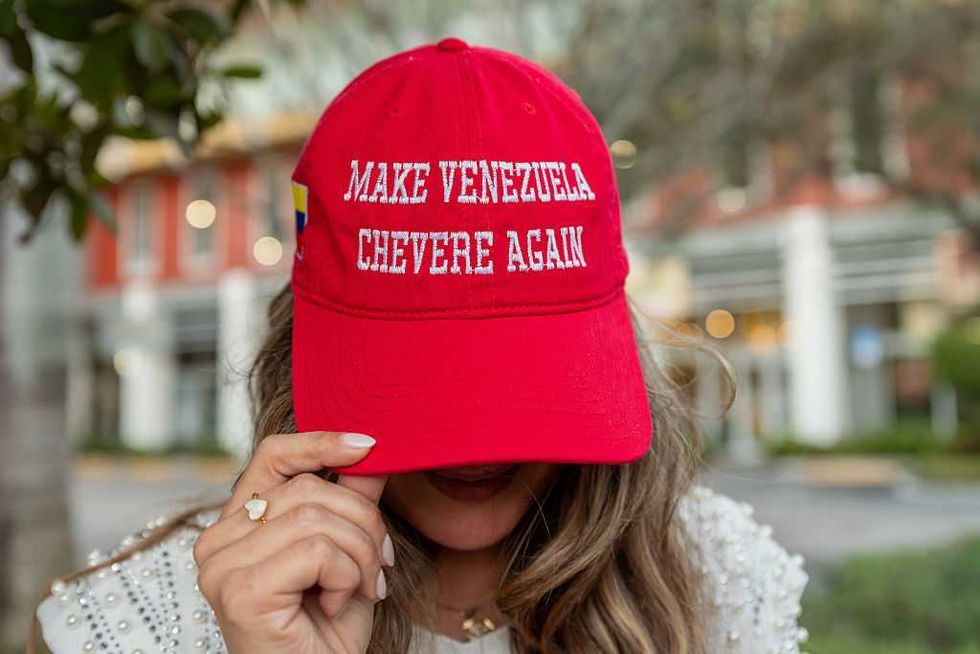
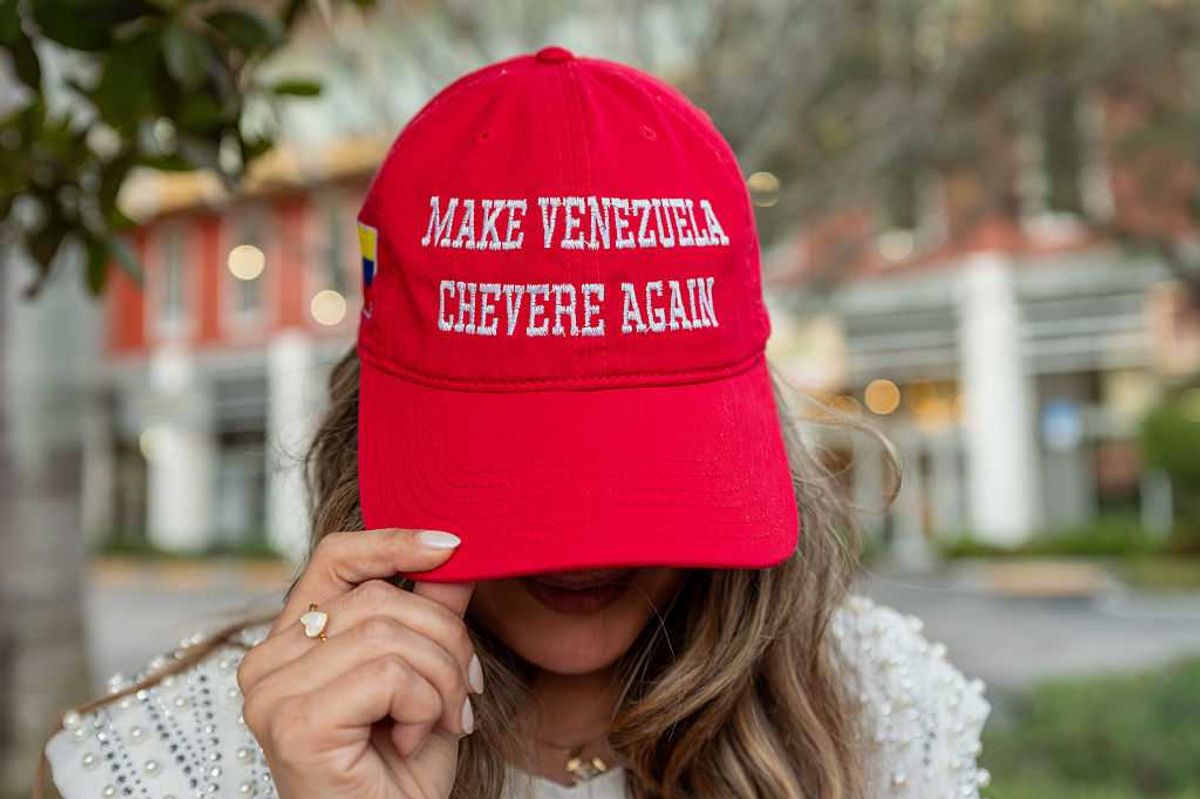
For decades, the United States focused its counterterrorism efforts on the Middle East and Asia. Meanwhile, a dangerous convergence of international terrorism and transnational crime took root much closer to home. Across Latin America — centered in Venezuela — hostile networks quietly expanded. The Trump administration has finally acted. How the United States manages Venezuela’s transition to legitimate leadership now carries direct national security consequences.
Live Your Best Retirement
Fun • Funds • Fitness • Freedom
The media frames U.S. action against Venezuela as a narco-trafficking problem. The threat runs far deeper.
Allowing hostile powers to entrench themselves in the Western Hemisphere threatens not just economic interests but national survival.
Hezbollah, backed by Iran, began building a Latin American presence as early as the mid-1980s. What started as fundraising and money laundering in the tri-border area of Argentina, Brazil, and Paraguay grew into a sprawling criminal-terrorist network. That network carried out devastating attacks in Argentina during the 1990s. Over time, Hezbollah expanded into recruitment, training, and operational planning, embedding itself across the region.
The threat escalated sharply in 2012, when Iranian President Mahmoud Ahmadinejad forged a strategic alliance with Venezuelan strongman Hugo Chávez. That partnership gave Iran a state sponsor in the Western Hemisphere and dramatically expanded its reach. Iran gained the ability to move money, oil, and personnel throughout the region and even established drone-production capabilities inside Venezuela.
U.S. law enforcement recognized the danger. The Drug Enforcement Administration launched Project Cassandra to investigate Hezbollah’s evolution into a global crime syndicate. The DEA tracked cocaine shipments from Latin America through West Africa into Europe, the Middle East, and the United States. Investigators uncovered a network believed to generate roughly $1 billion annually through drug trafficking, weapons smuggling, and money laundering.
The Obama administration later curtailed Project Cassandra in pursuit of a nuclear agreement with Iran. That decision left much of the criminal-terrorist infrastructure intact. Its consequences persist. Hezbollah-linked networks still operate across the region with minimal interference.
Under Nicolás Maduro, Venezuela functioned as both a failed state and a logistical lifeline for Iran. The regime facilitated the movement of operatives and equipment throughout Latin America and beyond. In return, Iran supplied Venezuela’s oil sector with blending materials and refining equipment, helping Maduro evade sanctions and cling to power.
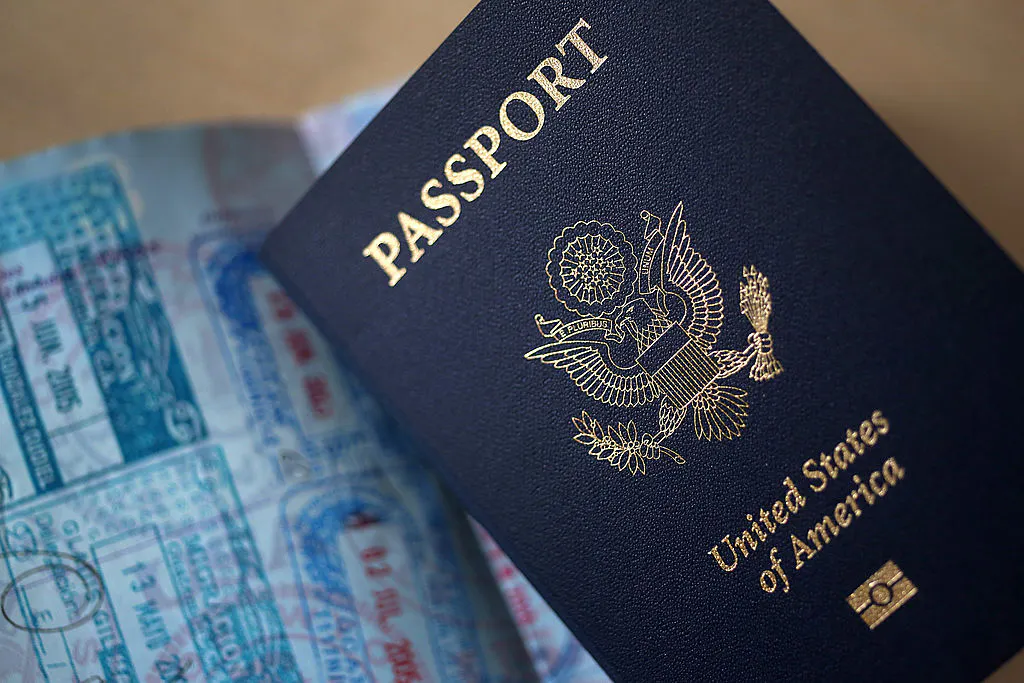
Venezuela also issued hundreds of passports and national IDs to individuals from the Middle East, including figures linked to Hezbollah. Those documents allowed operatives to travel freely under new identities, posing a direct threat to U.S. and regional security. The ability to move undetected across borders remains one of the most valuable tools available to terrorist organizations, and Venezuela provided it willingly.
Recognizing the gravity of the threat, the Trump administration took unprecedented steps. After imposing an oil blockade and designating the Maduro regime a foreign terrorist organization, U.S. authorities captured Maduro to face justice in the United States.
For the first time in a century, the Western Hemisphere now anchors the U.S. National Security Strategy. The Trump administration’s corollary to the Monroe Doctrine commits the United States to denying non-hemispheric powers — including Iran, Russia, China, and Turkey — the ability to position forces or control strategic assets in the Americas.
RELATED: The pernicious myth that America doesn’t win wars
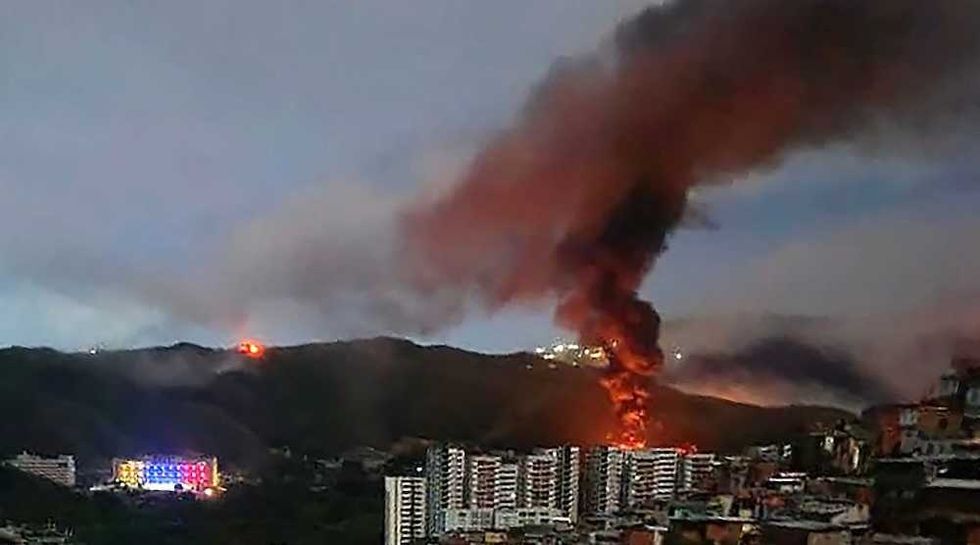 Photo by AFP via Getty Images
Evidence of coordination with America’s adversaries is not speculative. Russia’s Foreign Ministry openly acknowledged Venezuela as a strategic partner, citing what it called the “deliberate escalation of tensions” around a friendly nation. Russia arms Venezuela’s military, built a Kalashnikov rifle factory inside the country, and protects key installations with S-300 surface-to-air missile systems.
China played a parallel role. Beijing became Venezuela’s largest oil customer and financed more than $60 billion in projects. Roughly 7% of China’s oil imports came from Venezuela, propping up the Maduro regime while fueling China’s economy.
As left-wing governments across Latin America gave way to more pro-American leadership, Venezuela’s isolation only increased its value to hostile powers. It became a forward operating base against the United States.
Consider the implications. Iranian ballistic missiles — capable of inflicting serious damage even without nuclear warheads — stationed in Venezuela would sit on America’s doorstep. Add Russian or Chinese nuclear capabilities, and the risk escalates from strategic challenge to strategic catastrophe.
Allowing hostile powers to entrench themselves in the Western Hemisphere threatens not just economic interests but national survival. The fusion of terrorist and criminal networks inside Venezuela posed a clear and present danger that demanded decisive action.
The United States must remain firm in its commitment to a secure, sovereign hemisphere. Ignoring threats in our own back yard invites disaster. And the regime in Tehran understands that reality better than most — nervously, right now more than ever.
What's Your Reaction?
 Like
0
Like
0
 Dislike
0
Dislike
0
 Love
0
Love
0
 Funny
0
Funny
0
 Wow
0
Wow
0
 Sad
0
Sad
0
 Angry
0
Angry
0

I am just an average American. My teen years were in the late 70s and I participated in all that that decade offered. Started working young, too young. Then I joined the Army before I graduated High School. I spent 25 years in, mostly in Infantry units. Since then I've worked in information technology positions all at small family owned companies. At this rate I'll never be a tech millionaire. When I was young I rode horses as much as I could. I do believe I should have been a cowboy. I'm getting in the saddle again by taking riding lessons and see where it goes.







Comments (0)