

Yes, We Can Stop Fraud
Americans want to help people in need, but when government does that, about 500 billion taxpayer dollars get stolen.
Live Your Best Retirement
Fun • Funds • Fitness • Freedom
It’s how the system is designed, says the United Council on Welfare Fraud’s Andrew McClenahan in this new video. “You’re measuring success by the amount of money you put out.”
Because of that, government agencies rarely check whether their handouts go to the right people.
Minnesota is just the latest example.
Government officials didn’t uncover that fraud—YouTuber Nick Shirley did.
I say to McClenahan, “It’s weird that a kid did what government investigators couldn’t do.”
“Articles back in 2018 talked about millions of dollars in suitcases being flown out of Minneapolis,” he replies. “But it took a 20-year-old with an iPhone to go in there and expose it on Twitter.”
After Shirley publicized the fraud, the White House froze billions in welfare payments.
Progressives didn’t like that.
“What they are doing is creating confusion, chaos, trying to intimidate people,” complains Rep. Ilhan Omar, D-Minn. “There is no reason for them to fully stop funding these programs. The only reason they’re doing that is for PR purposes.”
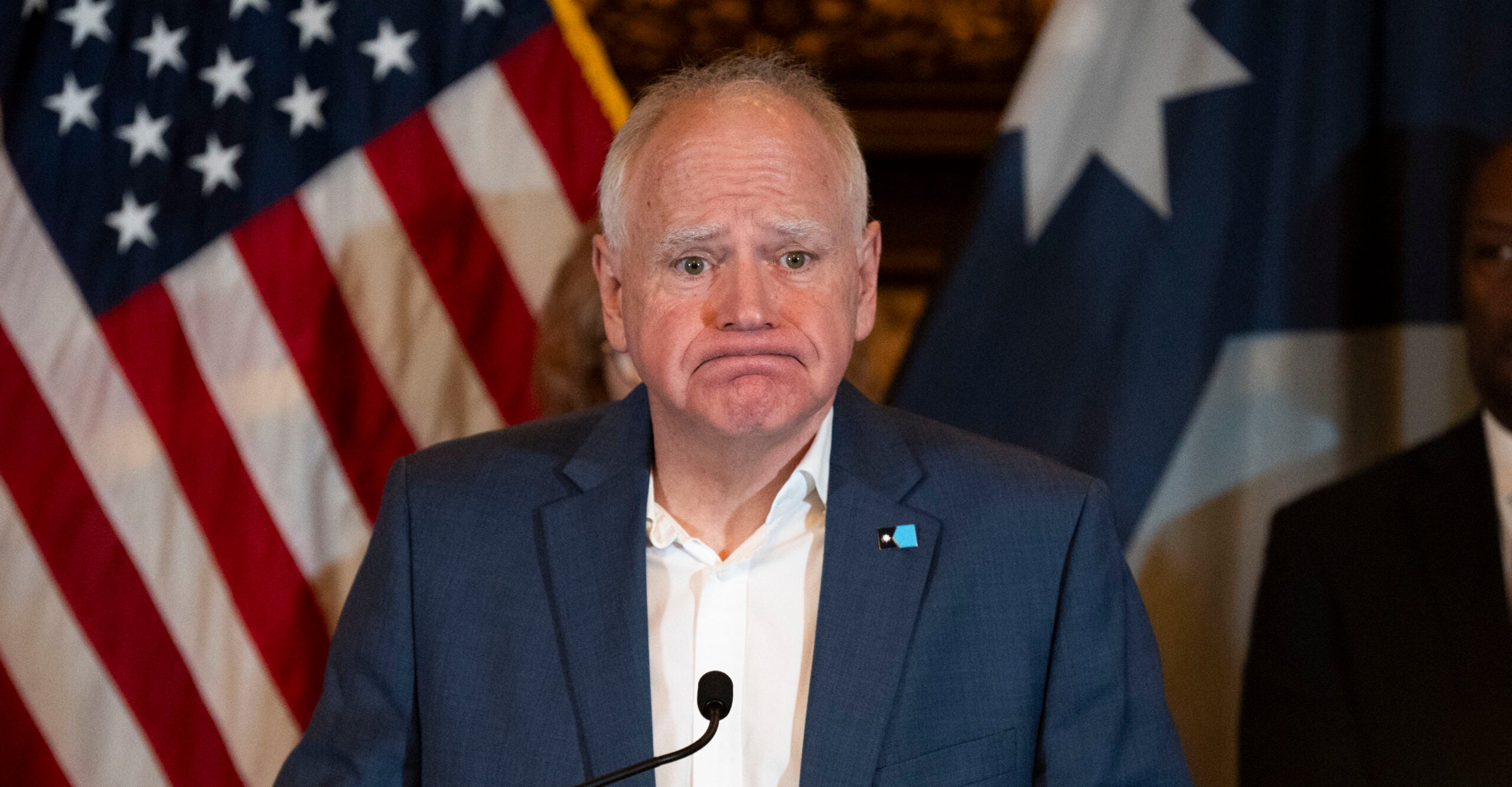
Minnesota’s Gov. Tim Walz was hardly better. “This is on my watch. I am accountable,” he said.
But he did nothing about the fraud.
During the pandemic, President Joe Biden said: “My message to those cheats out there is this: You can’t hide. We’re going to find you!”
But they didn’t.
Of the hundreds of billions stolen in 2024, the Department of Justice barely recovered $2.9 billion.
Is there nothing we can do to stop fraud?
“Sure, you can!” says McClenahan. “It takes less than a second to verify things with data connections these days.”
But government rarely uses modern data connections.
Elon Musk, when he ran the Department of Government Efficiency, complained that government records weren’t computerized. Many agencies doled money out without even saying what the money was for, or where it went! He calls government recordkeeping a “time warp.”
“They’re relying on rules and regulations written for pen and paper,” says McClenahan.
Poor recordkeeping makes fraud easier.
Some people openly brag about it.
During President Donald Trump’s first term, a rapper wrote a song about stealing benefits that Trump rushed out for pandemic relief: “I gotta shout-out to Donald Trump. I just might swipe me a lump sum.”
That was in California. There’s lot of fraud there. The state gave phone subsidies to 94,000 accounts of dead people.
“Everybody knows that the United States is the easiest game in town,” says McClenahan.
Some stolen funds go to alleged terrorists.
“We literally rang the dinner bell for the whole world, and they answered,” he says.
“These are American programs,” I point out. “People in other countries aren’t eligible.”
“But if you’re not checking to see where somebody lives, where they’re applying from, who they are, you’re not going to find them!” says McClenahan.
In addition, many state politicians don’t try to find fraud. Handouts mostly come from the federal government, so local politicians reason: “People in other states pay, but my taxpayers collect! Why make a big effort to stop that?”
Trump recently gave investigators more access to state data, so fraud could be better tracked. But some states don’t want to reveal that data.
“They’re actively suing the government!” complains McClenahan.
Whenever government gives handouts, it creates bad incentives.
Before our government started welfare payments, Americans were steadily lifting themselves out of poverty. When welfare checks began, progress continued for several years but then stopped.
Handouts have taught some people to stay dependent!
What should be done? McClenahan says to verify eligibility first. That way you prevent fraud before money goes out. And no one should get benefits without trying to work.
“You’ve got to be looking for a job, volunteering or at least getting job training. The best welfare program is a job.”
COPYRIGHT 2026 BY JFS PRODUCTIONS INC.
We publish a variety of perspectives. Nothing written here is to be construed as representing the views of The Daily Signal.
The post Yes, We Can Stop Fraud appeared first on The Daily Signal.
What's Your Reaction?
 Like
0
Like
0
 Dislike
0
Dislike
0
 Love
0
Love
0
 Funny
0
Funny
0
 Wow
0
Wow
0
 Sad
0
Sad
0
 Angry
0
Angry
0

I am just an average American. My teen years were in the late 70s and I participated in all that that decade offered. Started working young, too young. Then I joined the Army before I graduated High School. I spent 25 years in, mostly in Infantry units. Since then I've worked in information technology positions all at small family owned companies. At this rate I'll never be a tech millionaire. When I was young I rode horses as much as I could. I do believe I should have been a cowboy. I'm getting in the saddle again by taking riding lessons and see where it goes.









Comments (0)