

Another Win For Fishermen After Trump Rolls Back Obama Fishing Limits
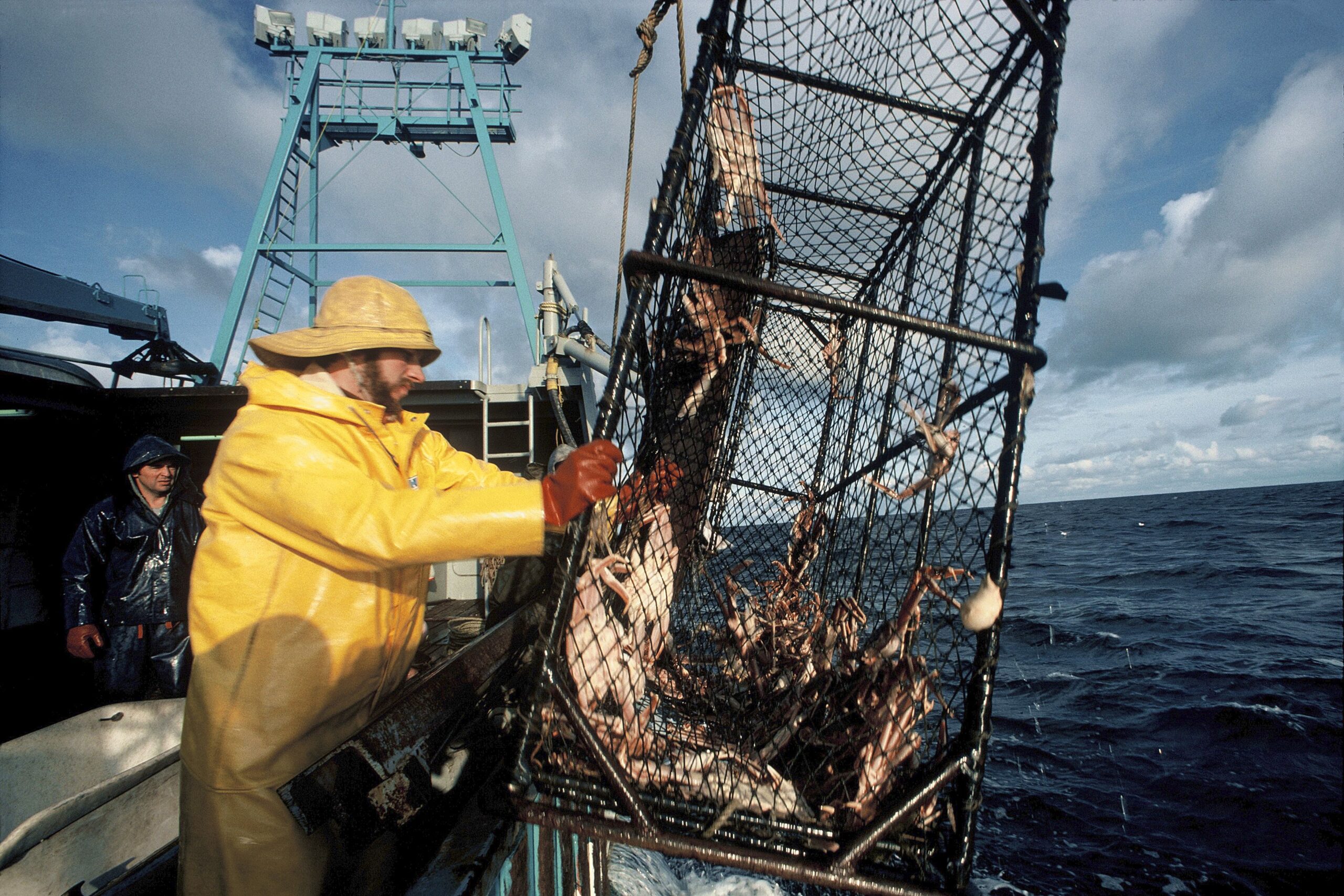
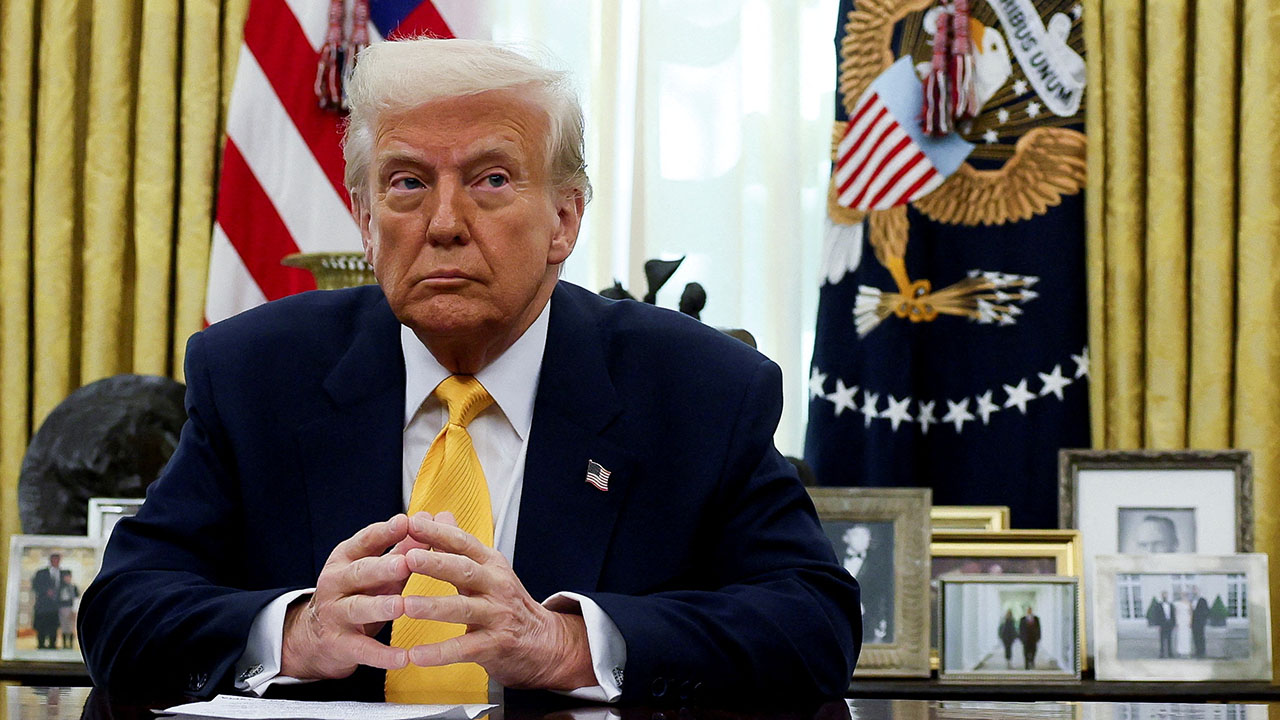
President Donald Trump issued a proclamation last week reopening the Northeast Canyons and Seamounts Marine National Monument to commercial fishing, reversing restrictions first imposed by former President Barack Obama.
Live Your Best Retirement
Fun • Funds • Fitness • Freedom
The monument, located roughly 130 miles southeast of Cape Cod, Massachusetts, spans nearly 5,000 square miles of Atlantic Ocean and includes deep-sea canyons and extinct volcanic seamounts that host a wide range of marine life, including whales, dolphins, sea turtles, seabirds, fish, and ancient coral species.
“A prohibition on commercial fishing is not, at this time, necessary for the proper care and management of the Northeast Canyons and Seamounts Marine National Monument,” Trump wrote in the proclamation on Friday.
Obama designated the monument in 2016 under the Antiquities Act, arguing that its undersea features and ecosystems required permanent protection from extractive activities amid concerns over climate change. During his first term, Trump lifted the fishing ban in 2020, only for Biden to reinstate it in 2021, citing potential harm to the monument.
In the new proclamation, Trump argues that existing federal law already provides extensive environmental safeguards and that a blanket fishing ban is unnecessary. He points specifically to the Magnuson-Stevens Fishery Conservation and Management Act, which regulates commercial fishing through regional councils using scientific assessments and conservation requirements.
“All of the fish species described in Proclamation 9496 are subject to Federal protections under existing laws,” Trump wrote, noting that many species found in the monument are highly migratory and not unique to the area. He also cited additional statutes, including the Endangered Species Act, Marine Mammal Protection Act, Clean Water Act, and National Marine Sanctuaries Act, as evidence that marine ecosystems remain protected even without a fishing prohibition.
Trump’s proclamation formally revokes Biden’s 2021 order and restores the monument’s management to the framework Trump established in 2020, which allows regulated commercial fishing within its boundaries.
Environmental groups and Democratic lawmakers quickly condemned the move, calling it unlawful and dangerous to marine ecosystems. Critics argue the monument represents one of the most biologically significant and heavily protected marine areas in U.S. waters, encompassing underwater canyons deeper than the Grand Canyon and coral formations thousands of years old.
“This hugely misguided executive action would recklessly roll back protections for a marine monument we’ve worked hard to protect,” said Sen. Richard Blumenthal (D-CT). “This natural treasure should be preserved for future generations, not endangered by industrial fishing.”
The proclamation follows a broader push by the Trump administration to loosen restrictions on marine monuments. In April 2025, Trump signed an executive order directing federal agencies to review all existing marine national monuments with an eye toward reopening them to commercial fishing. On the same day, he issued a separate proclamation reopening large portions of the Pacific Islands Heritage Marine National Monument.
A federal court later blocked commercial fishing in the Pacific monument, ruling that the administration failed to follow required legal procedures, a decision conservation groups say could foreshadow similar challenges to the Atlantic proclamation.
“This latest attempt to undermine the monument is not only unlawful, but demonstrates a blatant disregard for the health of our oceans,” said Erica Fuller of the Conservation Law Foundation. “We’ve fought this battle before, and we’re prepared to do so again.”
The dispute ultimately reflects a deeper ideological divide over environmental policy. Trump’s proclamation frames the issue not as a rejection of conservation, but as a rejection of an environmentalist approach that treats human activity as incompatible with nature. Rather than imposing permanent prohibitions, the administration argues that conservation is best achieved through management, science-based regulation, and responsible use. As legal challenges loom, the fight over the monument may become a test case for whether conservation policy prioritizes stewardship or exclusion.
What's Your Reaction?
 Like
0
Like
0
 Dislike
0
Dislike
0
 Love
0
Love
0
 Funny
0
Funny
0
 Wow
0
Wow
0
 Sad
0
Sad
0
 Angry
0
Angry
0

I am just an average American. My teen years were in the late 70s and I participated in all that that decade offered. Started working young, too young. Then I joined the Army before I graduated High School. I spent 25 years in, mostly in Infantry units. Since then I've worked in information technology positions all at small family owned companies. At this rate I'll never be a tech millionaire. When I was young I rode horses as much as I could. I do believe I should have been a cowboy. I'm getting in the saddle again by taking riding lessons and see where it goes.















Comments (0)