

He Warned Them: Marco Rubio’s Prophetic 2015 Case Against The Iran Nuclear Deal
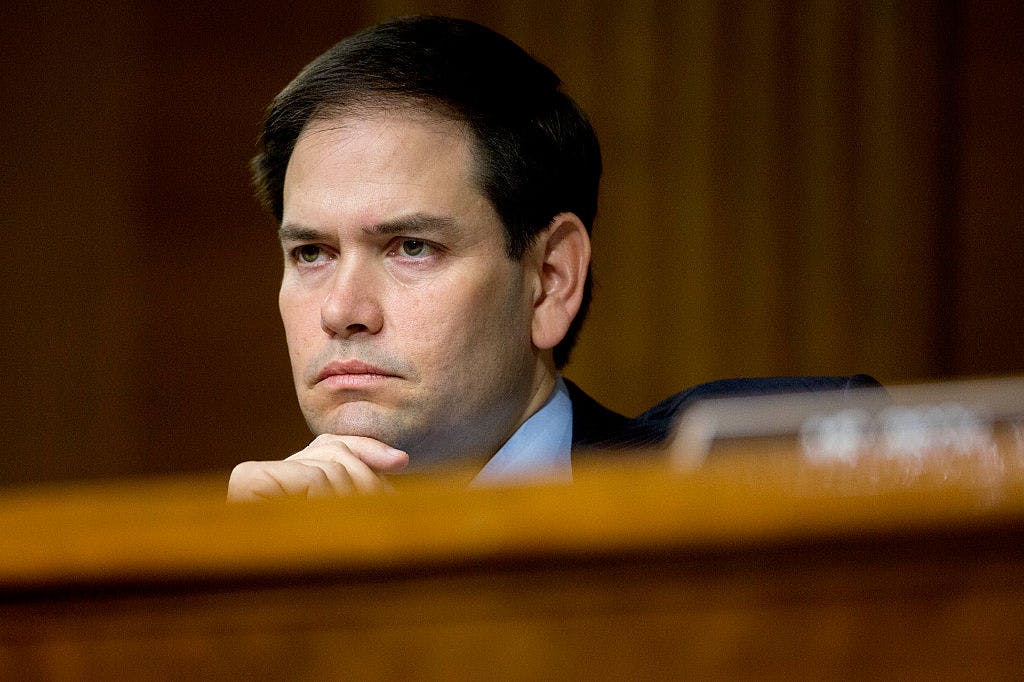
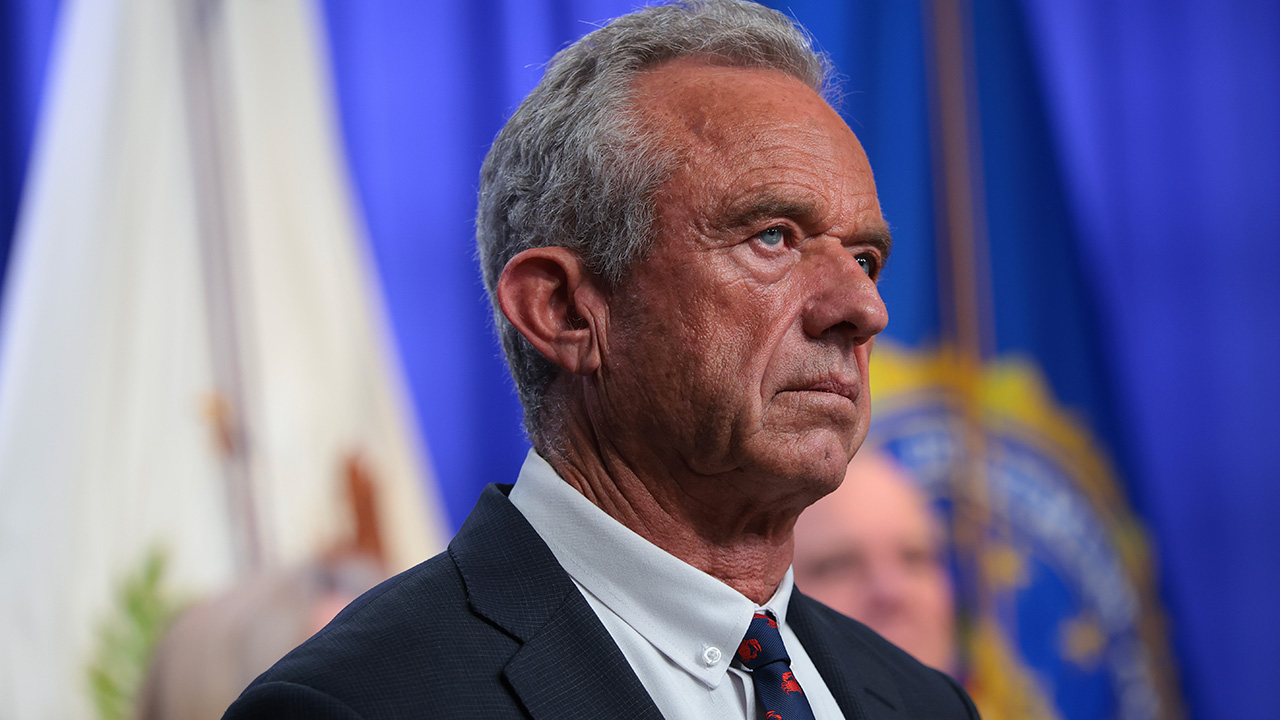
In 2015, then-Senator Marco Rubio delivered a forceful and prophetic floor speech in the United States Senate, offering a scathing critique of the Joint Comprehensive Plan of Action (JCPOA), commonly known as the Iran nuclear deal. Rubio’s address was not merely a political disagreement but a historical warning as he sought to document his opposition for posterity, predicting that the agreement would fundamentally destabilize the Middle East and jeopardize American national security.
Live Your Best Retirement
Fun • Funds • Fitness • Freedom
Rubio’s primary contention was that the deal provided Iran with a massive influx of capital through sanctions relief, which the regime would inevitably funnel into its military infrastructure. He warned that Tehran would use these resources to develop “anti-access” capabilities — specifically advanced rockets and “swarm” boats designed to threaten U.S. naval assets and aircraft carriers. By raising the “price of presence” for American forces, Rubio argued, Iran sought to eventually force a total U.S. withdrawal from the region. Furthermore, he predicted that the regime would continue its development of long-range ballistic missiles capable of reaching the American mainland, as these were not restricted by the agreement.
“Iran is led by a Supreme Leader who is a radical Shia cleric with an apocalyptic vision of the future,” he warned. “He is not a traditional geopolitical actor who makes decisions on the basis of borders, or simply history, or because of ambitions. He has a religious apocalyptic vision of the future — one that calls for triggering a conflict between the non-Muslim world and the Muslim world, one that he feels especially obligated to trigger.”
Rubio drew an ominous parallel to North Korea, describing a future where a nuclear-armed Iran would become “immune” to military intervention. He argued that once the regime achieved nuclear status, the cost of a preemptive strike would become prohibitively high, leaving the world hostage to a “radical Shia cleric with an apocalyptic vision.” Unlike traditional geopolitical actors, Rubio emphasized, Iran’s leadership is driven by a religious ideology that views conflict with the non-Muslim world as a spiritual obligation. He framed the deal as a “terrible mistake” that would leave a dangerous legacy for future generations.
To address these perceived fatal flaws, Rubio proposed several rigorous amendments to the legislation reviewing the deal. These included the “Israel Recognition Amendment,” which would have barred sanctions relief until Iran recognized Israel’s right to exist as a Jewish state. He also introduced a “Terrorism Certification Amendment” to link sanctions relief to the cessation of Iranian-sponsored terrorism against Americans. Additionally, Rubio demanded the full disclosure of “side deals” between Iran and international monitors and advocated for “anytime, anywhere” inspections to replace the “managed access” protocol of the JCPOA.
Ultimately, Rubio’s 2015 remarks served as a call for a return to “crippling” sanctions backed by a “credible threat of military force.” He concluded with a hopeful nod toward the American Republic, praying that future leaders in the executive branch would have the resolve to reverse the deal.
Now serving as Secretary of State, Rubio is in a unique position to help implement the very “maximum pressure” and strict verification standards he championed a decade ago, as the United States navigates a renewed era of tension with the Iranian regime.
Listen to @marcorubio’s 2015 speech explaining why he opposed the JCPOA. Nearly everything he warned about has already happened. What hasn’t, is clearly underway.
Now the clock is louder than ever. Donald Trump has a once in a generation choice: shut down the Islamic Republic’s… pic.twitter.com/SkJqHvNIJu
— ثنا ابراهیمی | Sana Ebrahimi (@__Injaneb96) February 5, 2026
What's Your Reaction?
 Like
0
Like
0
 Dislike
0
Dislike
0
 Love
0
Love
0
 Funny
0
Funny
0
 Wow
0
Wow
0
 Sad
0
Sad
0
 Angry
0
Angry
0

I am just an average American. My teen years were in the late 70s and I participated in all that that decade offered. Started working young, too young. Then I joined the Army before I graduated High School. I spent 25 years in, mostly in Infantry units. Since then I've worked in information technology positions all at small family owned companies. At this rate I'll never be a tech millionaire. When I was young I rode horses as much as I could. I do believe I should have been a cowboy. I'm getting in the saddle again by taking riding lessons and see where it goes.





Comments (0)