

Prediction markets let you 'bet' in states where gambling is banned: Here's how
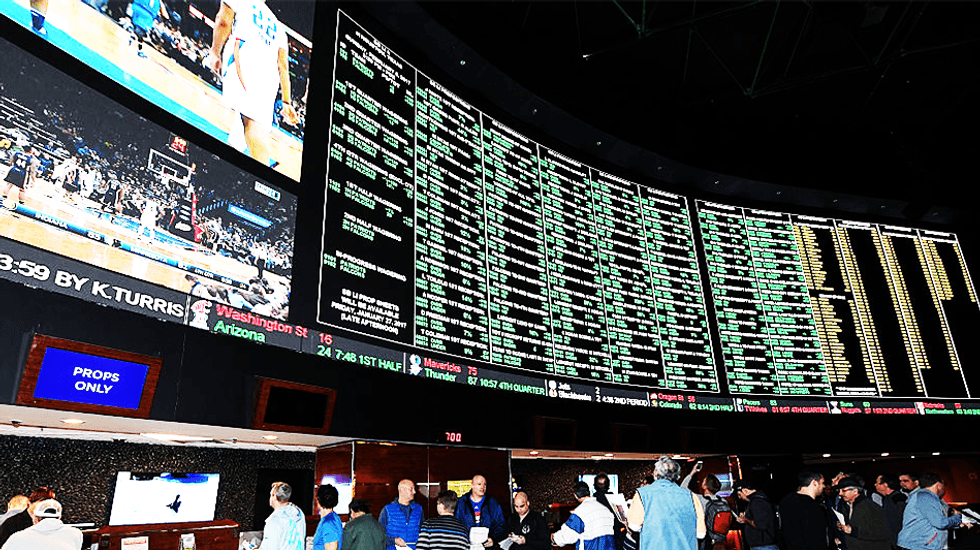
Sites like Kalshi and Polymarket let you put money on who will win the Super Bowl, but they also let you guess when Taylor Swift is getting married or when and if the United States will strike Iran.
Live Your Best Retirement
Fun • Funds • Fitness • Freedom
Americans can also make these predictions in any state.
'They can ban you if you make money. ... That's a scam.'
While it is true that many gambling websites offer bets for political outcomes and other non-sports wagers, what these prediction markets are doing is not technically gambling at all, and therefore fly right over any state gambling bans.
Alabama, Alaska, California, Georgia, Hawaii, Idaho, Minnesota, Oklahoma, South Carolina, Texas, and Utah are the 11 states that have restrictions/bans on sports betting, but prediction markets are not subject to these laws.
When users want to predict the price that a Pokémon card will go for at auction, under the law they are not placing a bet; they are entering into an "event contract."
What is a prediction market?
According to Gambling Insider, prediction markets operate like financial exchanges, which means they are regulated federally by the Commodity Futures Trading Commission.
Website Next.io notes that prediction markets do not need a sportsbook license, as there is no "house" setting the odds, and trading activity determines the prices for all event contracts. In sports betting, the house can set the odds to whatever it wants, but those odds are typically based on expertise in the sport or field.
RELATED: Polymarket bettors RAGE as the app says Maduro's capture doesn't count as an invasion
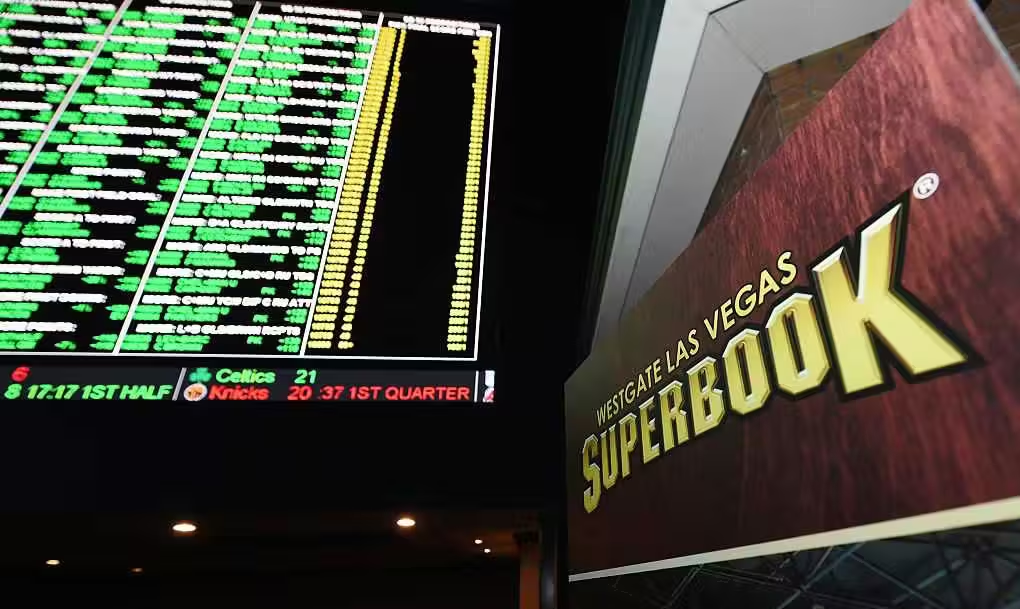 Photo by Ethan Miller/Getty Images
Prediction markets have no odds, and there is no bet slip. Rather, the user is purchasing a share like a commodity, which trades between $0 and $1, and the payouts on each share is $1.
The closer a share is to $1, the more likely the market thinks the event is going to happen. For example, if the share is 99 cents, if that event happens, the payout at $1 will be minimal. If it was traditional betting, in that case the bet would be made at odds of about 100:1; betting $100 would win $1.
In prediction markets, users can sell at any time — which is not always available for traditional gambling — and garner profit that way. If a share or contract is purchased at 50 cents and the price (likelihood) rises to 70 cents, the user can duck out to gain the difference. This is akin to selling a stock that has risen in price before a big merger or significant market event.
RELATED: Jeffrey Epstein was BANNED from Xbox Live — for harassing other gamers
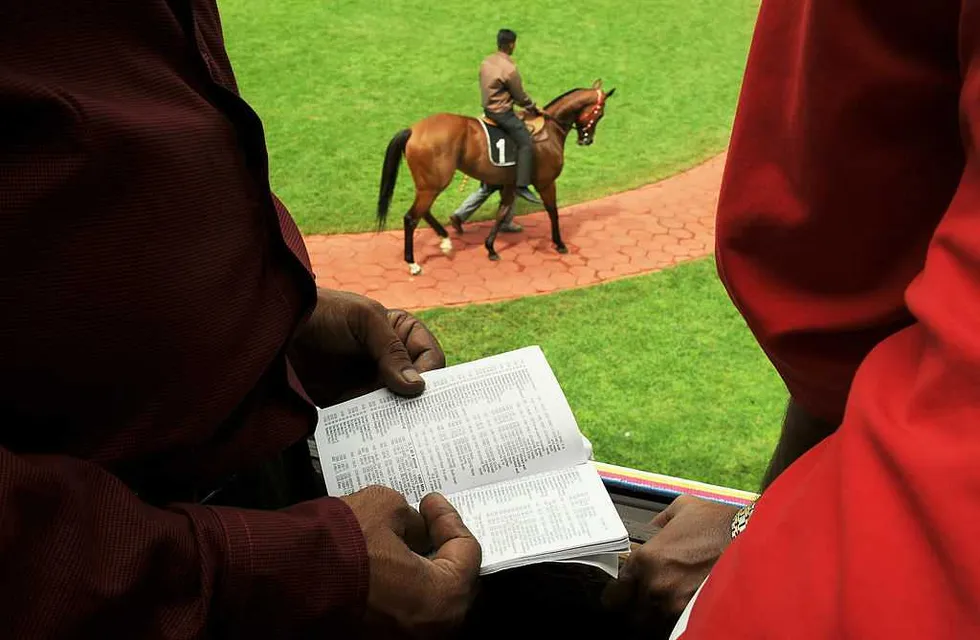 STRDEL/AFP via Getty Images
Major gambling networks like DraftKings and FanDuel have started to include predictions, which offer a much wider audience by expanding to a national market. DraftKings, for example, also allows for predictions on the stock market and cryptocurrency, which mirrors what most financial apps are becoming: banking and stock-trading hubs.
In November, Polymarket CEO Shayne Coplan called traditional sportsbooks "a ripoff," criticizing the fact that one can only "trade against the house."
"They can ban you if you make money, and they can profile you as a user and change the prices based on you. That's a scam," he said.
The practice does have its higher-profile critics. Former New Jersey Governor Chris Christie (R) said in January that prediction markets "need to be stopped" and that they threaten "the integrity of the sport."
Like Blaze News? Bypass the censors, sign up for our newsletters, and get stories like this direct to your inbox. Sign up here!
What's Your Reaction?
 Like
0
Like
0
 Dislike
0
Dislike
0
 Love
0
Love
0
 Funny
0
Funny
0
 Wow
0
Wow
0
 Sad
0
Sad
0
 Angry
0
Angry
0

I am just an average American. My teen years were in the late 70s and I participated in all that that decade offered. Started working young, too young. Then I joined the Army before I graduated High School. I spent 25 years in, mostly in Infantry units. Since then I've worked in information technology positions all at small family owned companies. At this rate I'll never be a tech millionaire. When I was young I rode horses as much as I could. I do believe I should have been a cowboy. I'm getting in the saddle again by taking riding lessons and see where it goes.







Comments (0)