

6 ways Apple Watch can save your life

Premium domains for sale
Freedom Is Back In Style
Apple Watch is many things — a techie timepiece, a notification aggregator, and perhaps a vital lifeline in an emergency. While some medical events are impossible to predict, you might be surprised to know that you have more early detection tools within reach than you think. Here are six features on Apple Watch that could save your life.
Freedom Is Back
In Style
Premium domains for sale
From the early days of Apple Watch, the Cupertino tech giant has focused heavily on fitness features to prolong longevity. Heart rate tracking, exercise goals, and activity badges can all help users lead healthier, more active lives. We’re not talking about those today, though. We’re looking at a set of features that can help you detect health problems you didn’t know you had and, in some cases, alert emergency services if you become incapacitated during a serious medical event.
It can tell you things you didn’t know about your body so you can seek care before an alert becomes a serious event — or worse.
To make the most of this guide, you’ll need a compatible Apple Watch, as well as a paired iPhone. However, the first couple of items are also iPhone-centric, so even if you don’t have all the necessary hardware, you can still enjoy some extra peace of mind.
Medical ID
Medical ID is the hub where you can store all of your important medical information — your name, age, medications, allergies, list of emergency contacts, health conditions, height, weight, and any other notes you wish to include.
To set up Medical ID, open the Settings app on iPhone, tap on “Apps” at the bottom, then “Health,” and finally, “Medical ID.” Then select “edit” in each section to add your information.
Not only is this a neat record to track your own health data, but Medical ID is also easily accessible to anyone who can reach your phone. Why? Because if you’re having a medical event, a stranger, a paramedic, or a health care worker may need quick access to your health conditions to help figure out what’s wrong. To bring up Medical ID, power on any iPhone from the lock screen, let the passcode fail to authenticate, then tap “Emergency” in the bottom left corner, and tap “Medical ID.”
Emergency SOS
Emergency SOS works well in two situations. If you’re having a medical event and you’re still conscious, or if you’re in trouble and in need of emergency services, trigger the emergency command. Your phone will automatically dial 911 and alert your emergency contacts that something is wrong. This way, you’re connected to the people who matter most so that they can come to your aid if you’re in a dangerous situation.
To set up Emergency SOS, open the Settings app, tap on “Emergency SOS” near the bottom of the page, and comb through the settings. This part is important — you can customize the emergency call trigger to dial when you hold and release the side button and the volume button together, or simply when you push the power button five times in a row. Choose the option you’re most likely to remember during a medical event.
Make sure your emergency contacts are added to this page so that they receive your SOS alerts alongside emergency services.
RELATED: After a decade-long wait, Apple Watch just got the one feature it always needed most
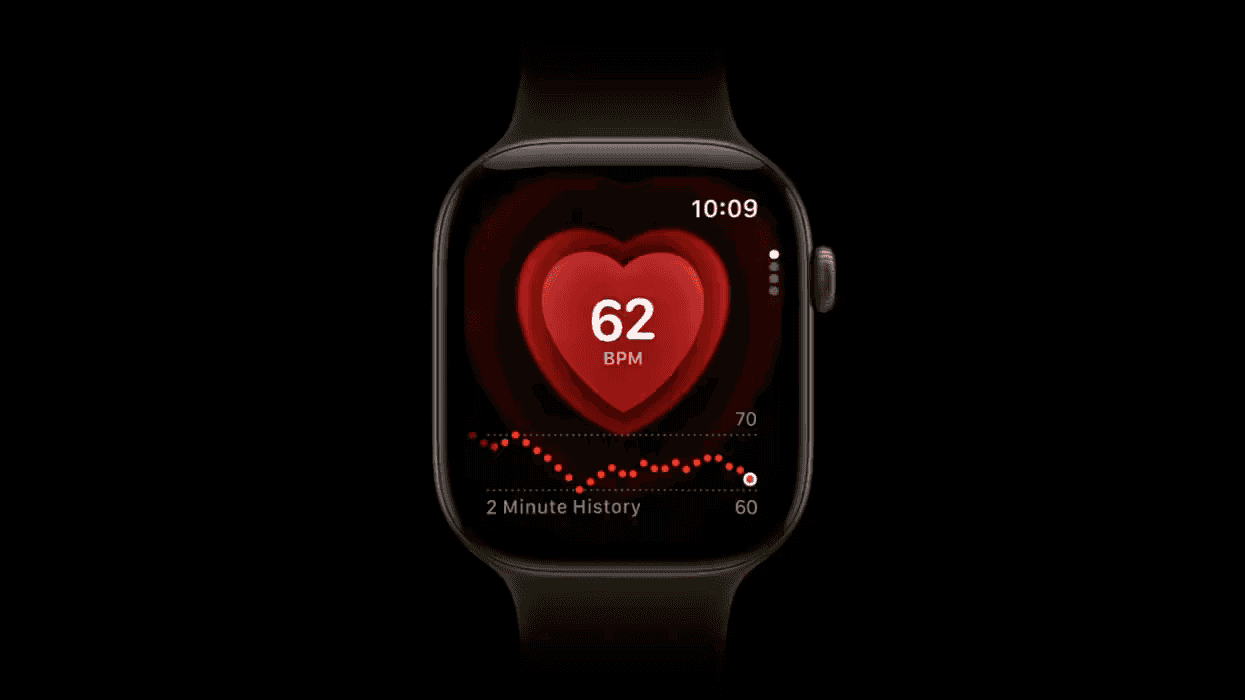 Apple Watch Series 12/Apple
Crash detection
While we’re in the Emergency SOS section, find Crash Detection near the bottom of the screen. This feature uses your iPhone and Apple Watch to measure jarring movements via their internal sensors. If the motion is severe enough that the devices think you’ve been in a car accident, they will begin a noisy countdown to let you know that they’re about to call emergency services on your behalf.
If you’re awake and unharmed, you can disable the alarm before the call goes out. However, if you’re unconscious, a call will be made to emergency services and your emergency contacts. This will let them know that you were in an accident and that you need help.
Crash detection is available on Apple Watch Series 8 and up.
Fall detection
In addition to crash detection, your watch uses the same sensors to estimate if and when you suddenly fall off your feet and hit the ground. If the impact is hard enough, your phone will send an alert that it’s about to dial emergency services and your emergency contacts. If you didn’t actually fall, or if you survived the fall without a critical injury, you can dismiss the alert. However, if you’re unconscious or severely injured, the call will go through and help will be on the way.
To enable fall detection, open the Watch app on iPhone, tap “Emergency SOS,” and check that “Fall detection” is turned on.
Fall detection is available on Apple Watch Series 4 and up.
Heart notifications
The heart rate sensor on Apple Watch isn’t just meant for tracking activity and workouts. It also monitors your heart throughout the day, and it’s sensitive enough to pick up on slight rhythm changes, sometimes before you’re even aware they’re happening.
High heart rate alerts will tell you if your heart exceeds a certain limit — 120 BPM by default — while you’re at rest. If you receive this alert, you could be stressed, dehydrated, or you may be having a serious heart event, like atrial fibrillation.
Low heart rate alerts do the opposite — they’ll tell you when your heart rate dips too long, which is 40 BPM by default. An extremely low heart rate at rest could signify a problem with one of your medications, certain medical conditions like hypothyroidism, or heart disease.
Irregular rhythm notifications measure your heartbeat, looking for signs of atrial fibrillation where your heart beats out of rhythm. Brief episodes of AFib may not be an emergency, but if you receive this notification often, it’s best to see your doctor for a thorough checkup.
Hypertension notifications analyze your heart rate data for silent signs that you have high blood pressure. Apple’s software notes that not everyone who has high blood pressure will fit into their detection algorithm, but many people do. If you get this alert, it’s best to monitor your blood pressure daily for several weeks and let your doctor know if you have a real problem.
To enable heart notifications, open the Watch app on iPhone, scroll to the bottom and select “Apps,” then choose “Heart.” Then on this screen, make sure each feature is enabled.
Irregular rhythm detection is only available on Apple Watch Series 4 and up, while hypertension notifications are exclusively for Series 9 and up.
RELATED: Someone else's Apple Watch might start spying on your conversations
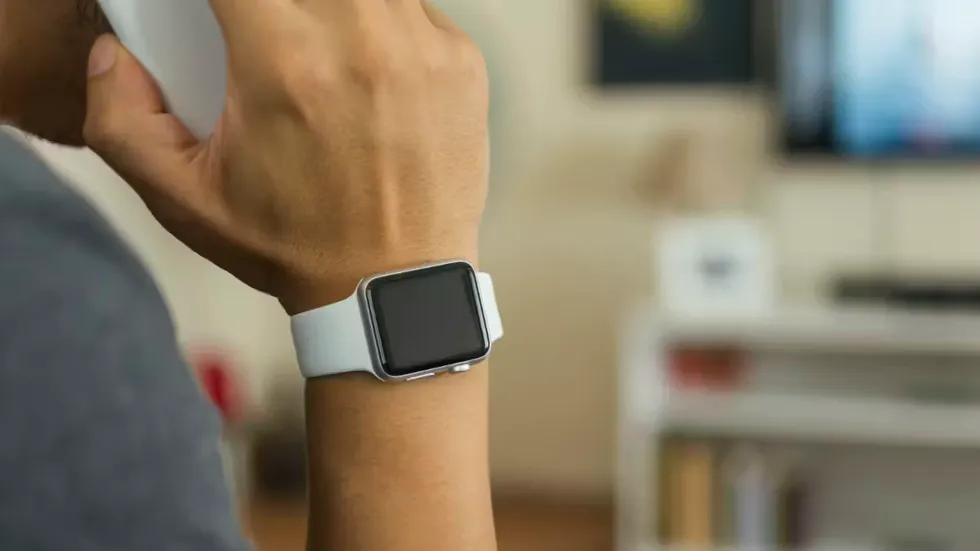 bombuscreative/Getty Images
Sleep apnea
Sleep apnea, or an event where you briefly stop breathing at night, is a silent killer, and approximately 80% of patients don’t know they have it. Luckily, Apple Watch can help shed some light on any potential breathing issues you have at night.
Simply wear Apple Watch to bed, and it will monitor your breathing rate and oxygen levels to identify potential problems. If sleep disturbances are detected, it will let you know the next morning. While one or two breathing alerts may not indicate a chronic issue, regular alerts should prompt a visit to the doctor. You’ll likely want to get a formal sleep study to confirm whether or not you have sleep apnea so that you can treat it properly.
Sleep apnea alerts are available on Apple Watch Series 9 and up.
A real lifesaver
As you can see, Apple Watch isn’t just a fancy piece of jewelry or an expensive gadget that pairs with your phone. It can be a critical lifeline between you, your health, and emergency services. Even more importantly, it can tell you things you didn’t know about your body so you can seek care before an alert becomes a serious event — or worse.
Like Blaze News? Bypass the censors, sign up for our newsletters, and get stories like this direct to your inbox. Sign up here!
More from this network:
Domains for Sale · GOTPeople.org · TheDSAPlatform · The Truth About Socialism
What's Your Reaction?
 Like
0
Like
0
 Dislike
0
Dislike
0
 Love
0
Love
0
 Funny
0
Funny
0
 Wow
0
Wow
0
 Sad
0
Sad
0
 Angry
0
Angry
0

I am just an average American. My teen years were in the late 70s and I participated in all that that decade offered. Started working young, too young. Then I joined the Army before I graduated High School. I spent 25 years in, mostly in Infantry units. Since then I've worked in information technology positions all at small family owned companies. At this rate I'll never be a tech millionaire. When I was young I rode horses as much as I could. I do believe I should have been a cowboy. I'm getting in the saddle again by taking riding lessons and see where it goes.
Premium domains for sale





















Comments (0)