

Americans Will Toss 320 Million Pounds Of Food This Thanksgiving. Here’s How To Share It Instead.

Premium domains for sale
Freedom Is Back In Style
Thanksgiving is America’s greatest feast — a table overflowing with abundance, surrounded by people we love. It is also one of our greatest acts of waste. This year, Americans will throw away 320 million pounds of food on Thanksgiving alone. That adds up to an estimated $550 million worth of groceries, enough to supply five meals to each of the 47.4 million Americans who don’t have enough to eat.
Freedom Is Back
In Style
Premium domains for sale
But this isn’t a reason to be ashamed. It’s an opportunity to live out the spirit of the holiday.
The first Thanksgiving endures because it points to who we hope to be. The Pilgrims, seeking religious freedom, met the Wampanoag, whose leader Massasoit weighed the newcomers and chose an alliance on his own terms. Squanto, who had learned English as a kidnapped captive, came home to a village lost to disease, yet helped broker peace. To be sure, that peace did not last, but for one harvest, strangers chose trust over bloodshed and shared a table.
That is the aspiration worth recovering: to turn fear into neighborliness, and abundance into something shared.
Today we live in a time of genuine plenty, but also one of real strain. Grocery prices are about a third higher than in 2020, even as the Department of Agriculture estimates that 30% to 40% of our food supply goes to waste. This Thanksgiving, we can close that gap by wasting less at our own tables, stepping out of our comfort zone to share more with neighbors who are going without, and creating new spaces for fellowship and community over a shared meal.
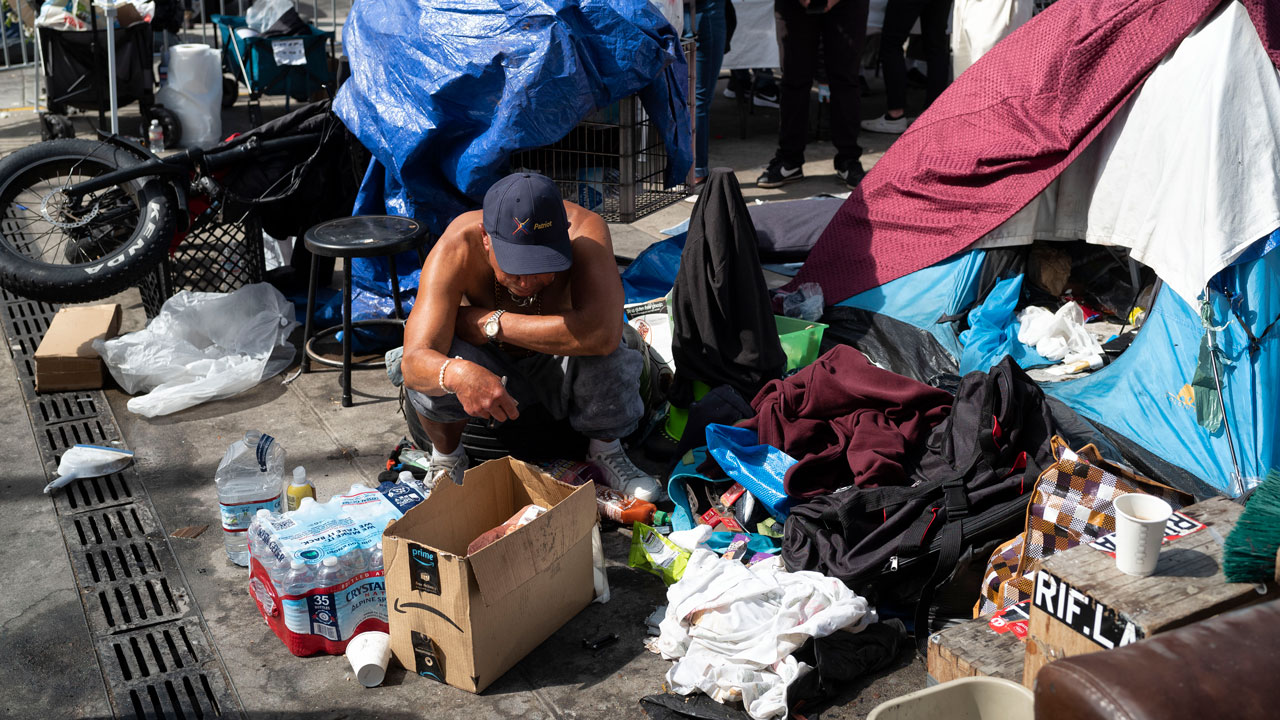
First and foremost, we can consciously turn our excess food into warm meals for those less fortunate. That could mean coordinating with a local homeless shelter, youth shelter, or food pantry to provide what they most need. It could mean bringing hot food yourself to the poor and unsheltered in your own neighborhood.
Or it could be as simple as inviting a nearby family, couple, or elderly neighbor over to share in your feast on Thanksgiving Day — or even to share your feast of delectable leftovers on Black Friday. The true miracle of Thanksgiving wasn’t just that the Pilgrims and Native Americans had enough food to survive, but that they had the grace to share their meal at all.
For those who grow their own food and have more yams, carrots, or green beans than they can fit on their Thanksgiving tables, explore the Trump administration EPA’s “Feed It Onward” initiative or AmpleHarvest.org. AmpleHarvest connects home gardeners and farmers to more than 8,500 food pantries across the country, keeping fresh produce out of the landfill and on the tables of families who need it. Its faith and food waste program is built specifically for faith communities — a perfect option for any congregation looking for a way to give back.
Still, it’s impossible to eliminate food waste. After all, nobody can predict exactly how much turkey 12 people will eat on a Thursday afternoon or why your toddler who loved cranberries last year now rejects anything colored red on her plate.
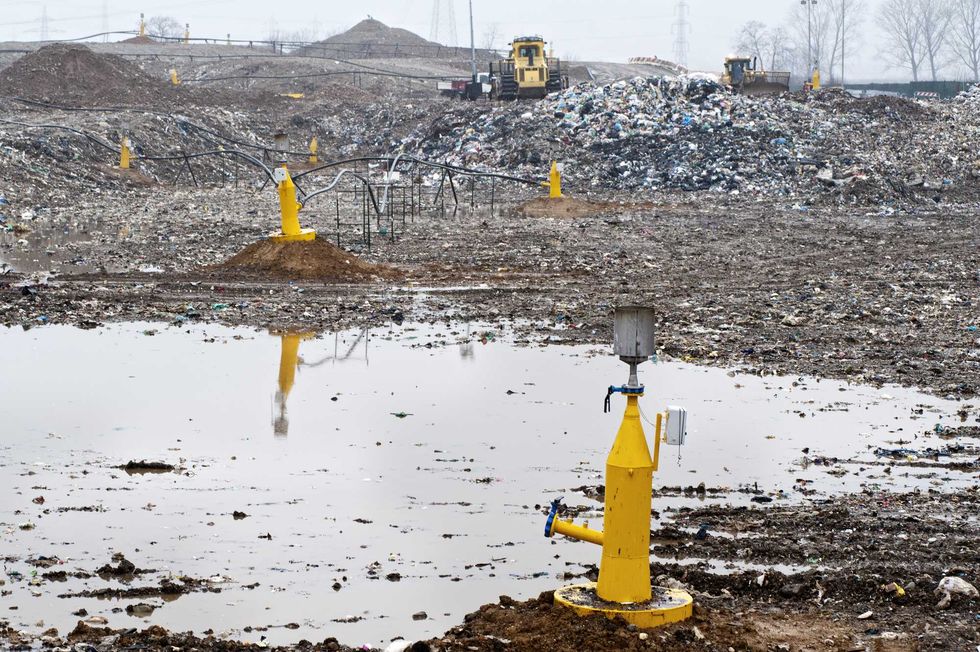
But even these food scraps can be put to good use. For thousands of years, humans have composted food scraps into nutritious soil for next year’s plants.
A simple compost bin kept on your porch, patio, or yard can quickly become an at-home source of fertilizer for your vegetable garden or flower bed that also serves to keep waste out of landfills and our air and water more pristine.
If you’re like me and live in the city without a garden, there are still ways to put food waste to good use. For example, Washington, D.C., started the Zero Waste program, maintaining drop-off sites across the city where food can be donated rather than discarded. Local farmers markets also host food waste deposits, providing compost for the regional farmers selling their food. Meanwhile, Veteran Compost, founded by an Army veteran and operating a 30-acre farm in Maryland, offers pickup composting subscriptions for households in the D.C. region, turning what can’t be donated into something the land can use.
Washington isn’t alone. In Dayton, Ohio, Waste Free Dayton runs a network of community compost stations that make it easy to redirect food scraps from the landfill. The Evangelical Environmental Network, which I lead, partners with Waste Free Dayton as part of our broader work connecting faith communities to local creation care efforts. Cities and organizations across the country are pioneering different composting programs.
As a Christian, I support all of these efforts, both on charitable and environmental grounds. God calls on us to support those in need, especially with necessities like food. And likewise, the Bible tells us to be stewards of the Earth. Food is a gift — from God, from the land, and from the hands of farmers who plant, tend, and harvest in faithful stewardship of creation. We have a responsibility to use that food well.
None of this demands dramatically changing your lifestyle. It only requires a little forethought and getting out of your comfort zone. So this Thanksgiving, reconsider the food on your plate. Your leftovers can be more than trash; they can be a gift.
***
The Rev. Dr. Jessica Moerman is the president and CEO of the Evangelical Environmental Network.
This article is part of Upstream, The Daily Wire’s new home for culture and lifestyle. Real human insight and human stories — from our featured writers to you.
More from this network:
Domains for Sale · GOTPeople.org · TheDSAPlatform · The Truth About Socialism
What's Your Reaction?
 Like
0
 Dislike
0
 Love
0
 Funny
0
 Wow
0
 Sad
0
 Angry
0

I am just an average American. My teen years were in the late 70s and I participated in all that that decade offered. Started working young, too young. Then I joined the Army before I graduated High School. I spent 25 years in, mostly in Infantry units. Since then I've worked in information technology positions all at small family owned companies. At this rate I'll never be a tech millionaire. When I was young I rode horses as much as I could. I do believe I should have been a cowboy. I'm getting in the saddle again by taking riding lessons and see where it goes.
Premium domains for sale












Comments (0)