

Breaking China’s Grip on Rare Earth Minerals
Premium domains for sale
Freedom Is Back In Style
Summary
Freedom Is Back
In Style
Premium domains for sale
- U.S. military superiority depends heavily on critical minerals processed by China.
- Brazil offers an extraordinary opportunity to build secure critical-mineral supply chains.
- Strategic investment in Brazil could strengthen military readiness.
Modern American military superiority rests on a dangerous paradox: Many of the most advanced U.S. defense systems, from precision munitions to the radar arrays on aircraft carriers, rely heavily on critical minerals processed by China, the nation’s principal geopolitical adversary.
The Chinese Communist Party (CCP) dominates the rare-earth supply chain, controlling approximately 90% of global refining. If Beijing weaponized this dominance and severed supply chains during a crisis, it could seriously disrupt the U.S. defense industrial base. What appears to be an industrial vulnerability in peacetime could become a strategic liability in wartime.
True strategic autonomy requires a pivot to secure, allied supply chains.
Breaking the CCP’s grip requires more than opening new mines at home. It requires reliable partners capable of supplying raw materials, developing processing capacity, and building resilient supply chains. Brazil offers an extraordinary opportunity.
Brazil boasts one of the world’s largest known rare-earth reserves, estimated at 11 million metric tons by the U.S. Geological Survey. Yet its mining production remains negligible by comparison. This gap between geological wealth and industrial capacity presents a generational opportunity. By directing strategic investments and facilitating joint ventures with Brazilian firms, Washington can help build a robust, secure supply chain outside Beijing’s sphere of influence.
However, the window of opportunity should not be taken for granted. China is expanding its economic footprint in Brazil, investing in energy, mining, and automotive manufacturing.
In 2025, Brazil attracted $6.1 billion in Chinese investment. Beijing’s growing commercial presence illustrates the strategic importance of Brazil’s resources and industrial future.
Beyond manufacturing, proposals within the BRICS bloc to connect national payment systems raise questions about the future of dollar-based financial infrastructure. PIX, Brazil’s successful instant-payment system, illustrates how domestic innovations could become part of broader cross-border payment initiatives. Washington should recognize that strategic competition extends beyond minerals to the technologies and institutions shaping the global economy.
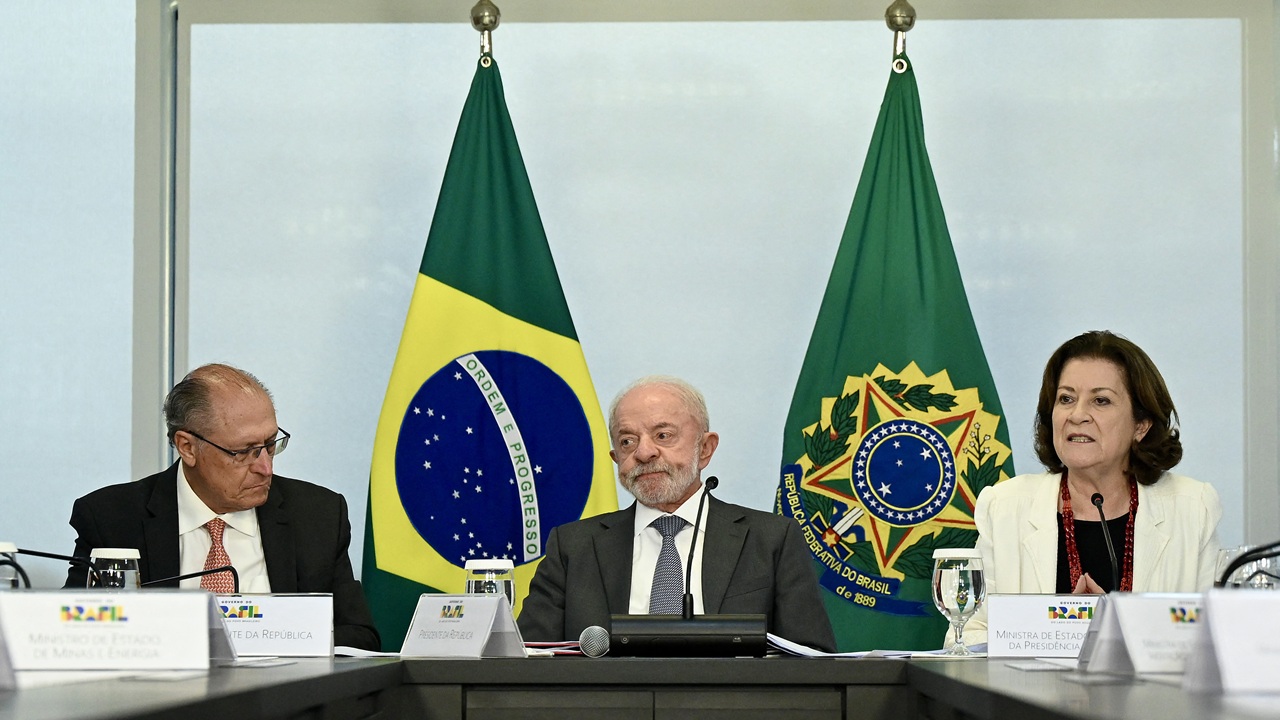
Countering this trend requires a pragmatic partnership with Brazil. Although the bilateral relationship has experienced political friction, strategic interests should transcend short-term disagreements between administrations. The United States and Brazil established diplomatic relations in 1824 and have maintained them continuously for more than two centuries. That historic foundation offers a basis for deeper cooperation on a shared national security challenge.
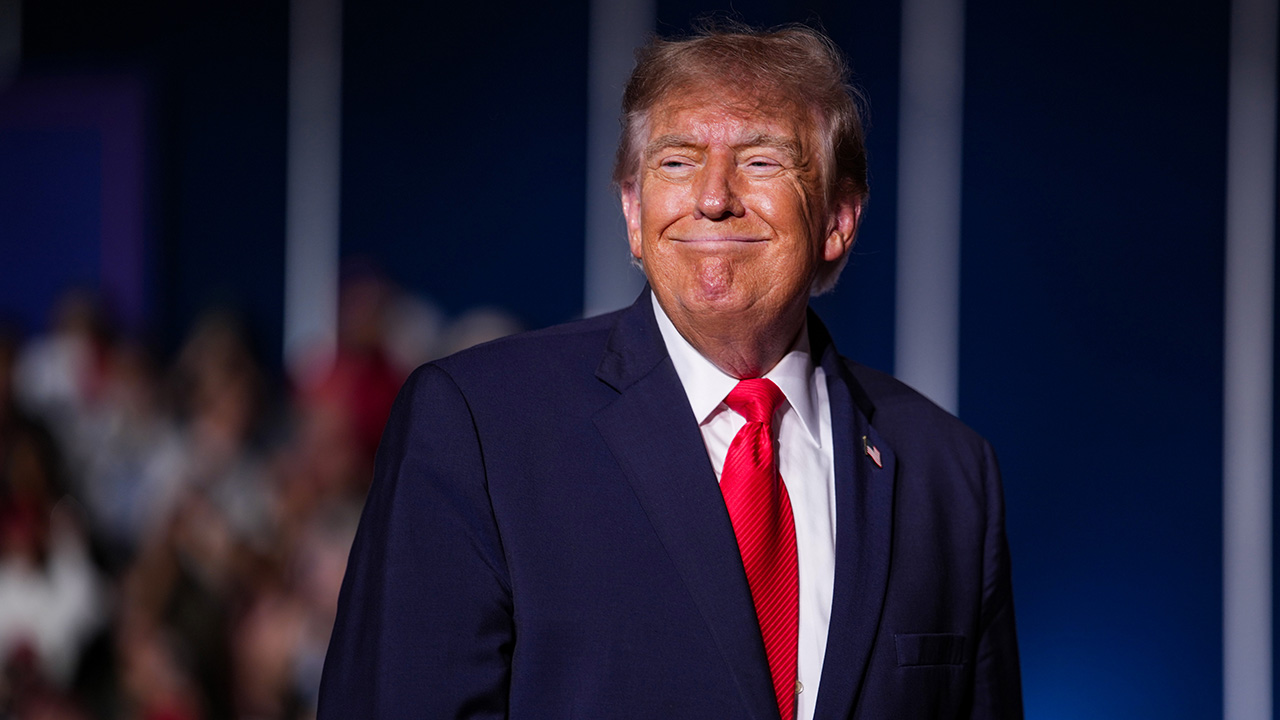
Luiz Inácio Lula da Silva’s recent reelection should not be seen as making all cooperation impossible. Following Lula’s victory, President Donald Trump said he had not taken sides in the Brazilian election. Despite saying that the election “had a very bad look,” Trump said, “I like Lula. I get along with him very well.” This suggests that personal and political differences need not prevent all constructive engagement built on enduring strategic interests.
The prospect of a formalized bilateral critical minerals initiative offers profound mutual benefits.
For Washington, it would help secure resilient supplies of resources necessary to sustain military readiness. For Brazil, American investment and technology could catalyze a high-value domestic industry, allowing the country to refine materials rather than merely export raw ore. Joint ventures, geological exploration, and investment in processing facilities would help translate Brazil’s mineral wealth into industrial capacity while creating viable alternatives to Chinese-dominated supply chains.
The United States cannot eliminate its dependence on China overnight, but it can move in the right direction. A defense industrial base vulnerable to supply disruptions controlled by a strategic rival is a liability Washington must no longer accept.
Breaking the CCP’s grip on America’s defense will require more than just recognizing the threat. The time to build these alternatives is now, before a geopolitical crisis makes them indispensable.
We publish a variety of perspectives. Nothing written here is to be construed as representing the views of the Daily Signal.
More from this network:
Domains for Sale · GOTPeople.org · TheDSAPlatform · The Truth About Socialism
What's Your Reaction?
 Like
0
 Dislike
0
 Love
0
 Funny
0
 Wow
0
 Sad
0
 Angry
0

I am just an average American. My teen years were in the late 70s and I participated in all that that decade offered. Started working young, too young. Then I joined the Army before I graduated High School. I spent 25 years in, mostly in Infantry units. Since then I've worked in information technology positions all at small family owned companies. At this rate I'll never be a tech millionaire. When I was young I rode horses as much as I could. I do believe I should have been a cowboy. I'm getting in the saddle again by taking riding lessons and see where it goes.
Premium domains for sale

















Comments (0)