

Declassified Documents Reveal Democrats’, Deep State Targeting of Sessions in Russia Probe
Premium domains for sale
Freedom Is Back In Style
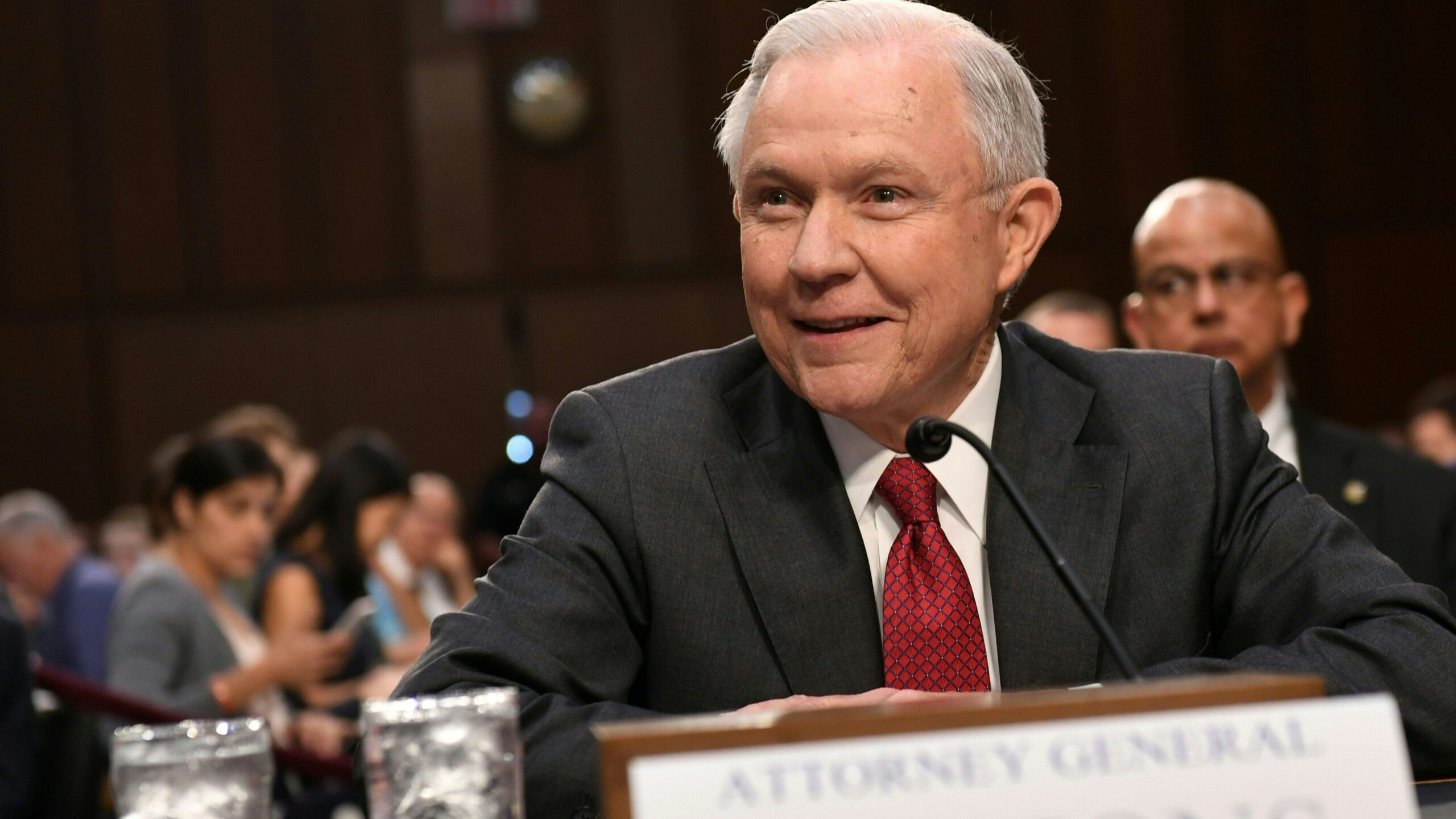
In the early months of President Donald Trump’s first term, when enemies of the administration clung to the since-discredited Russia collusion narrative, the FBI opened a probe called “March Toll” into then-Attorney General Jeff Sessions.
Freedom Is Back
In Style
Premium domains for sale
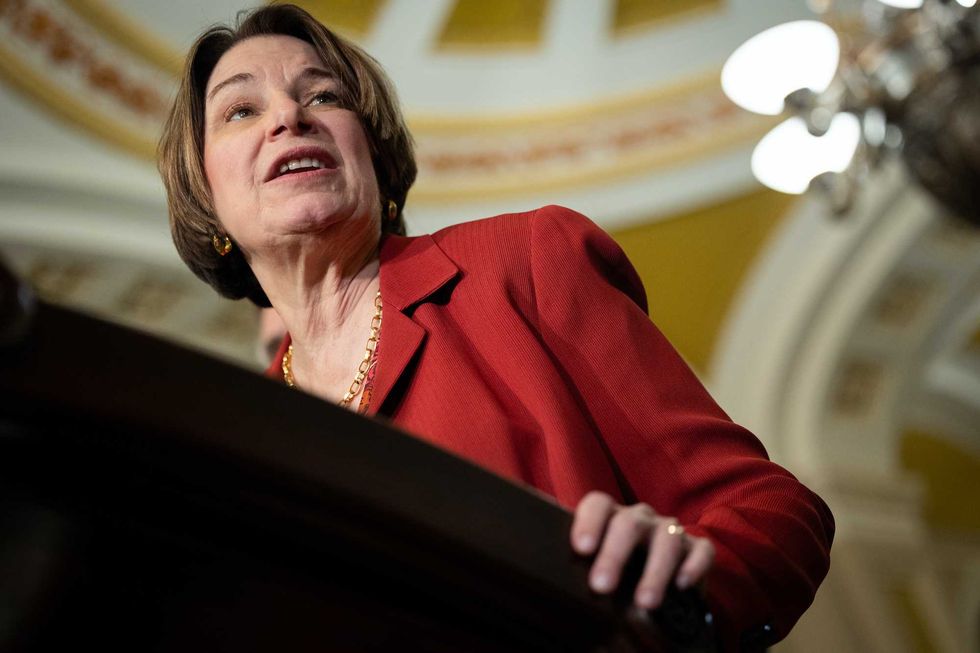
The FBI launched the probe at the behest of two Democrat senators, one of whom resigned from office in disgrace before the bureau concluded the investigation of Sessions. The senators, Patrick Leahy of Vermont and Al Franken of Minnesota, wrote to then-FBI Director James Comey to demand an investigation. In 2017, Trump fired Comey, who became a Trump enemy.
The probe lasted a year, from May 2017 to May 2018.
It began on May 10, one day after Trump fired Comey as FBI director. Sessions had already recused himself from the Russia investigation into Trump. Later that month, Deputy Attorney General Rod Rosenstein appointed Robert Mueller as special counsel to investigate the alleged Russia collusion.
The White House recently declassified information regarding the FBI’s probe into Sessions, his interaction with a Russian ambassador, and whether he was honest in his Senate testimony. The documents tell the story of a cast of Washington characters who tried to target Trump through his first attorney general. Today in Washington, practically none of the figures are still in government, but Trump is president again.
The FBI called it “highly sensitive” and categorized the probe as a “sensitive investigative matter,” or SIM, and put it under “prohibited status” under the authority of Assistant FBI Director E.W. “Bill” Priestap, the documents show. Priestap was a key figure in launching the Russia probe into Trump.
The opening of the probe into Sessions happened on May 10, 2017, according to a memo. The case file was to be kept in a sensitive compartmented information facility (SCIF) at the FBI Washington Field Office.
A separate May 10 memo said, “The FBI received the referenced letter dated March 20, 2017, from two U.S. senators.” It goes on to say that a crime or “threat to national security has or may have occurred.”
The memo referred to the letter from Leahy and Franken. They noted in the letter that, in a written question to Sessions during the Senate confirmation process, Leahy asked, “Have you been in contact with anyone connected to any part of the Russian government about the 2016 election either before or after election day?” Sessions answered, “No.”
During the Jan. 10, 2017, confirmation hearing, Franken asked a similar question, to which Sessions replied that he had been called a surrogate in the Trump campaign and “did not have communications with the Russians.”
The Democrat senators asked for a probe after widely reported revelations that Sessions, while a U.S. senator from Alabama, met with Russian Ambassador Sergey Kislyak in 2016.
In their letter to Comey, the senators called the testimony “discernibly false” and “unequivocally false.” They asked that Comey investigate Sessions.
In a March 6, 2017, letter to Senate Judiciary Committee Chairman Chuck Grassley and ranking member Sen. Dianne Feinstein, D-Calif., Sessions said he told the truth in the Jan. 10 hearing. The letter came before Leahy and Franken demanded a probe.
By January 2018, Franken resigned from the Senate over a sexual harassment scandal. After eight terms, Leahy did not seek reelection to the Seante in 2022.
The Sessions matter was under investigation by special counsel Mueller’s office.
On May 8, 2018, Aaron Zebley of the special counsel’s office wrote to someone on the investigative team about closing the probe.
“After interviewing the Attorney General and conducting additional investigation, the SCO closed its investigation of potential false statements or perjury in the Attorney General’s confirmation hearing testimony and related written submissions to Congress,” Zebley wrote.
“As is the case in any investigation, material new information could lead to further investigation of those matters,” Zebley added. “The SCO advised Chuck Cooper, private counsel to the Attorney General, of that information on March 21, 2018.”
After clashes with Trump, Sessions resigned as attorney general in November 2018.
In April 2019, the Mueller team issued a report that found no evidence that the Trump 2016 campaign conspired with the Russian government over election interference. However, the report said the Trump campaign knew of Russian meddling and did not oppose it.
Priestap, who oversaw the Sessions probe, left the FBI in 2019. That year, Justice Department Inspector General Michael Horowitz’s report on the origins of the Trump-Russia collusion probe found that Priestap made the decision to launch the investigation dubbed “Crossfire Hurricane.” He was also heavily involved in the prosecution of Trump’s former national security adviser, Michael Flynn, for allegedly lying to investigators after speaking with Kislyak. Before that, Priestap also worked on the investigation of former Secretary of State Hillary Clinton’s private email server and helped draft Comey’s 2016 statement about not prosecuting Clinton.
This year, Comey was indicted in April after posting a photo of seashells arranged to spell “8647,” which was perceived as a threat of violence to Trump, the 47th president.
More from this network:
Domains for Sale · GOTPeople.org · TheDSAPlatform · The Truth About Socialism
Originally Published at Daily Wire, Daily Signal, The Blaze, or Fox News
What's Your Reaction?
 Like
0
Like
0
 Dislike
0
Dislike
0
 Love
0
Love
0
 Funny
0
Funny
0
 Wow
0
Wow
0
 Sad
0
Sad
0
 Angry
0
Angry
0

I am just an average American. My teen years were in the late 70s and I participated in all that that decade offered. Started working young, too young. Then I joined the Army before I graduated High School. I spent 25 years in, mostly in Infantry units. Since then I've worked in information technology positions all at small family owned companies. At this rate I'll never be a tech millionaire. When I was young I rode horses as much as I could. I do believe I should have been a cowboy. I'm getting in the saddle again by taking riding lessons and see where it goes.
Premium domains for sale






Comments (0)