

DOJ Launches Criminal Probe Into 2022 Supreme Court Dobbs Leak

Premium domains for sale
Freedom Is Back In Style
The Justice Department has opened a criminal investigation into the unprecedented leak of the Supreme Court’s draft opinion overturning Roe v. Wade, hurtling the four-year mystery back into the spotlight.
Freedom Is Back
In Style
Premium domains for sale
Federal prosecutors have recently issued grand jury subpoenas and sought information from people who worked at the Supreme Court when the draft opinion was leaked to Politico in May 2022, according to a report from the New York Times. The investigation has accelerated in recent weeks, though it remains unclear whether investigators have identified a potential suspect or what specific criminal statute they believe may have been violated.
U.S. Attorney for the District of Columbia Jeanine Pirro is overseeing the investigation, with prosecutor Carlton Davis assigned to lead the effort alongside career prosecutors, the Times reported.
The leak involved a draft majority opinion written by Justice Samuel Alito in Dobbs v. Jackson Women’s Health Organization, the landmark case that ultimately overturned Roe v. Wade and returned abortion policy to the states. Politico published the draft on May 2, 2022, nearly two months before the court formally issued its decision.
The disclosure in itself was extraordinary. No draft Supreme Court decision had previously been publicly disclosed while a case was still pending, and the leak offered an unusually revealing look into the justices’ private deliberations on one of the most consequential cases in modern American history.
The draft, dated February 10, 2022, declared that Roe was “egregiously wrong from the start” and that the court should overrule both Roe and Planned Parenthood v. Casey. Although the final opinion was not released until June 24, the court ultimately reached the result outlined in Alito’s draft, with five justices joining the majority.
Chief Justice John Roberts called the disclosure a “singular and egregious breach” of the trust between the court and its employees and immediately ordered an internal investigation.
That investigation, led by Supreme Court Marshal Gail Curley, interviewed 97 court employees and clerks who had access to the draft. Employees were required to sign sworn statements denying that they had leaked the document. The justices were also consulted, but were not required to submit the same sworn affidavits.
In a report released in January 2023, investigators said they had been unable to identify the person responsible by a “preponderance of the evidence.” The report criticized the court’s outdated information systems and lax security practices, but did not establish who had disclosed the draft. Investigators also found no evidence that an outside hacker had accessed the document.
The failure to identify the leaker did little to quiet speculation. Some conservatives suspected a liberal employee had leaked the draft in an effort to disrupt the court’s deliberations or mobilize opposition to the ruling. Some liberals, meanwhile, suggested a conservative had disclosed the document to lock in the majority’s decision.
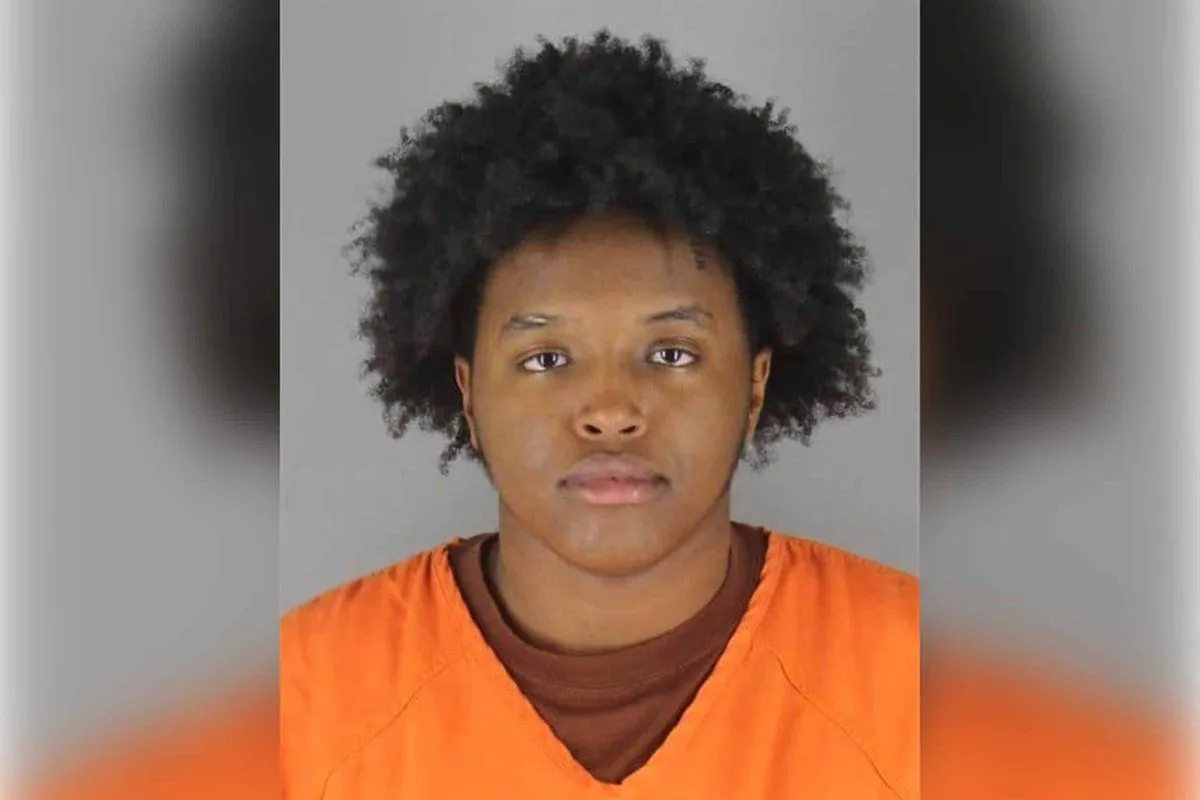
The leak also preceded a dramatic escalation in threats against the justices. Protests took place outside the homes of some members of the court. Nicholas Roske — a transgender-identifying man from California, who goes by the name “Sophie” — was arrested near Justice Brett Kavanaugh’s home in June 2022 while armed and allegedly planning to assassinate him. He was sentenced to more than eight years in prison in October 2025.
Alito has repeatedly expressed his belief that the leak endangered the justices. In a recent interview with Fox News, he said he had a hunch about who was responsible, but emphasized that the available evidence was not strong enough for him or the court to publicly identify anyone.
“I never dreamed that the draft of the opinion would be leaked,” Alito said, describing it as a “grave breach” of the trust among the court’s employees. He added that the disclosure “very predictably” made the five conservative justices who supported overturning Roe targets for assassination.
The FBI announced in May 2025 that it was prioritizing the investigation, with then-Deputy Director Dan Bongino saying he was receiving weekly briefings. Then-Attorney General Pam Bondi also indicated during congressional testimony in February that the matter remained under consideration, though she declined to discuss the investigation, per SCOTUSBlog.
The new criminal probe, however, raises difficult legal questions. It is not clear what law prosecutors believe the leaker may have violated. One possible avenue is a federal statute prohibiting the theft of government property, which can carry a prison sentence of up to 10 years. Prosecutors could also examine whether anyone lied under oath or made false statements during the Supreme Court’s original investigation.
But legal experts have questioned whether disclosing a draft opinion, without evidence of hacking or another independently criminal act, is itself a federal crime. The Supreme Court has no specific law prohibiting the unauthorized release of its internal records.
Duke University law professor and former federal prosecutor Samuel Buell told the Times that the investigation raises questions about whether the Trump administration is creating legal precedents where none previously existed. Cornell law professor Michael Dorf said the Justice Department has authority to investigate federal crimes committed at the court, but warned that an investigation without a viable criminal basis could amount to the executive branch harassing the judiciary.
The investigation also puts the Justice Department in a sensitive position as the Supreme Court considers cases central to President Donald Trump’s agenda and claims of executive authority. Prosecutors may seek access to highly restricted records concerning the justices’ deliberations, potentially exposing internal court operations to scrutiny the institution has historically resisted.
The timing of the investigation is also significant. Some potentially applicable federal laws have five-year statutes of limitations that could expire in the spring of 2027. That deadline could put pressure on investigators to identify a suspect and establish a prosecutable case
The Supreme Court itself has continued to express interest in finding the leaker. Justice Elena Kagan told Congress in July that the court would “pursue it till the end,” while Justice Amy Coney Barrett described the unauthorized disclosure of certain court materials as illegal.
More from this network:
Domains for Sale · GOTPeople.org · TheDSAPlatform · The Truth About Socialism
What's Your Reaction?
 Like
0
 Dislike
0
 Love
0
 Funny
0
 Wow
0
 Sad
0
 Angry
0

I am just an average American. My teen years were in the late 70s and I participated in all that that decade offered. Started working young, too young. Then I joined the Army before I graduated High School. I spent 25 years in, mostly in Infantry units. Since then I've worked in information technology positions all at small family owned companies. At this rate I'll never be a tech millionaire. When I was young I rode horses as much as I could. I do believe I should have been a cowboy. I'm getting in the saddle again by taking riding lessons and see where it goes.
Premium domains for sale






Comments (0)