

Money Talks When Money Walks
Premium domains for sale
Freedom Is Back In Style
This November, California voters will decide whether a fraction of the state’s population should pay a 5% wealth tax to help fund public programs. Proposition 40 would make roughly 200 of the richest Californians bail out the state’s deficits and save the budget for another year of easy spending.
Freedom Is Back
In Style
Premium domains for sale
California is not the only blue “paradise” with this plan. Nationwide, at least 10 Democrat-run states facing pressure to deliver on promises to expand welfare programs have reflexively reached for the wallets of the wealthy. The appeal is obvious: These taxes fall on relatively few voters, while the resulting revenue can finance programs benefitting a far larger population.
However, taxing the rich is not a “get out of debt free” card. It’s a way for states to ignore their own financial mismanagement while forcing their highest earners and most profitable businesses to pick up the slack. When progressive taxes push high earners to relocate to more business-friendly states, they take with them investments, charity, productive businesses, job opportunities, and taxable income.
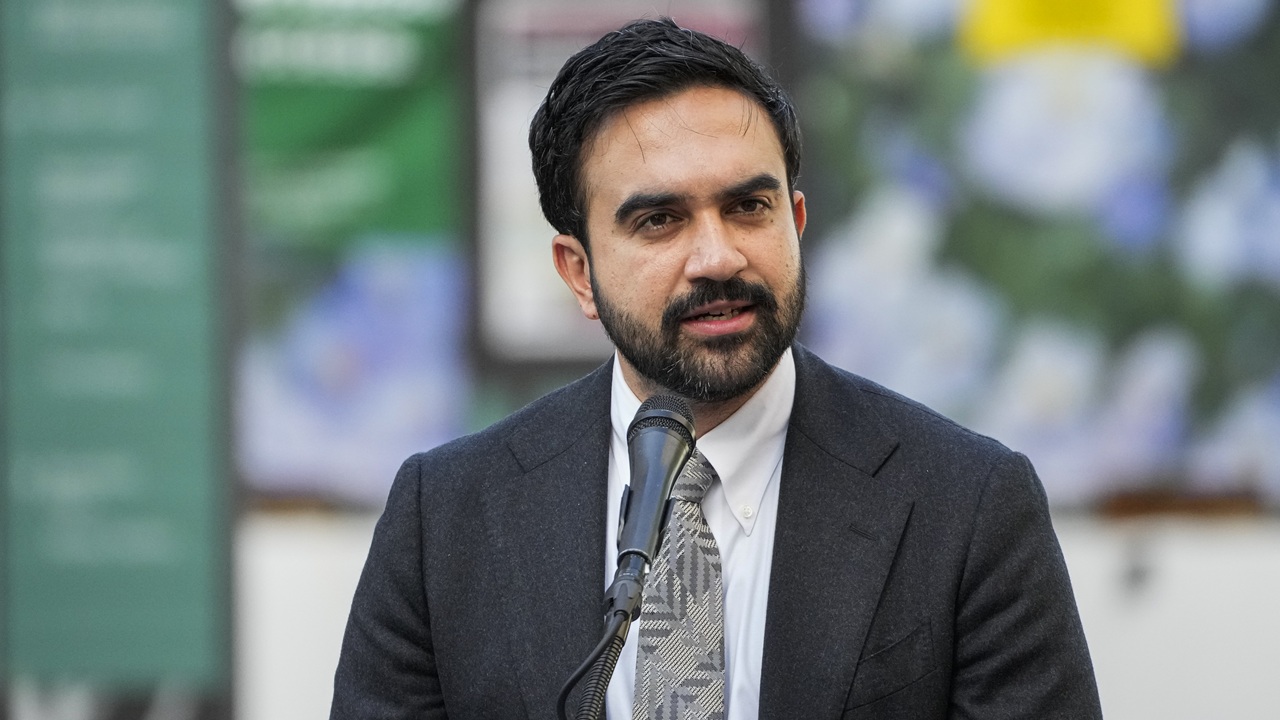
Despite these consequences, a wave of income tax revisions is hitting blue states. Connecticut Democrats aim to raise the top marginal rates to 7.5% for earners over $250,000 and 7.99% for those making over $500,000. Michigan’s ballot proposal would levy a 5% tax on individual income over $500,000. New York City Mayor Zohran Mamdani proposed a 2% income tax increase on residents making $1 million, creating a top marginal rate of nearly 17%. Rhode Island has even approved a 3% surtax on income above $1 million.
Although taxing the rich may appear to be an attractive source of revenue for government officials, it comes at a cost. Massachusetts provides perhaps the best test case.
In 2023, Massachusetts placed a 4% surtax on taxable income over $1 million, indexed annually for inflation. With a new top marginal rate of 9%, Massachusetts raked in $3.4 billion in 2026. Despite extra revenue from residents who stayed, out-migration from the state pulled $4.2 billion in adjusted gross income in 2023. When tax policy creates a hostile environment for economic growth, wealth flight is just a matter of when, not if.
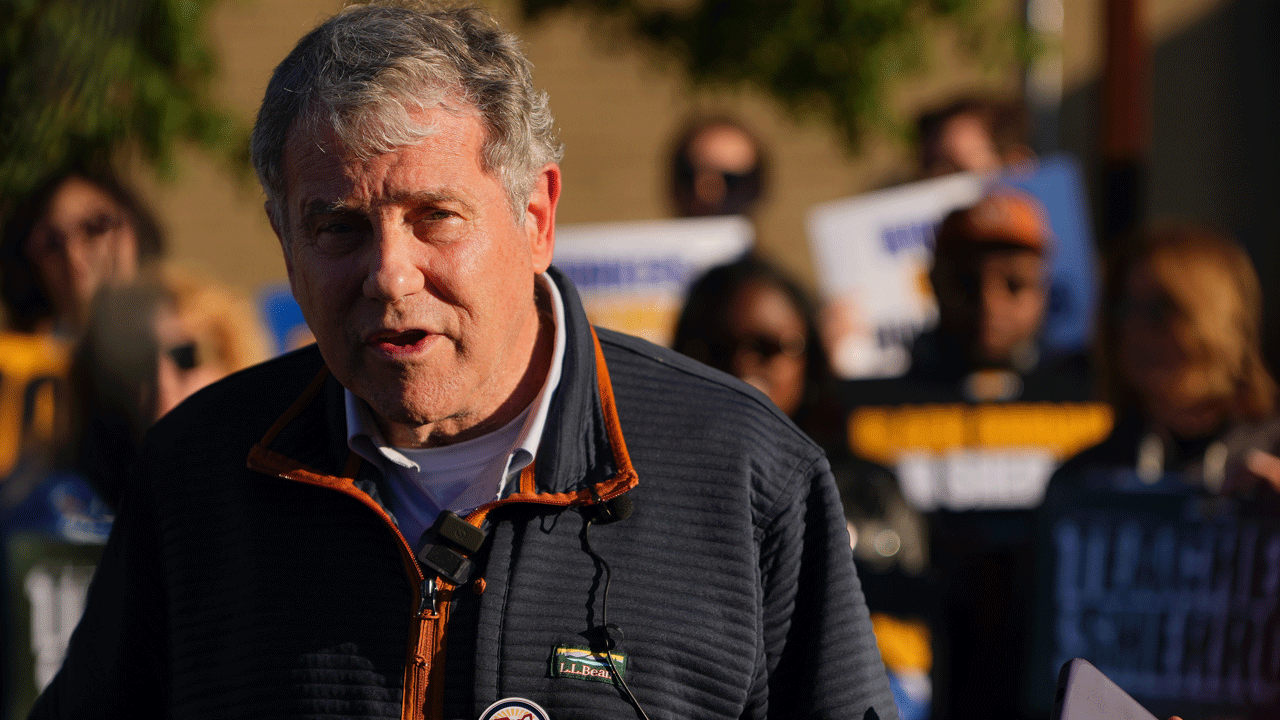
Washington similarly distinguished itself as one of the few states without a tax on wages and salaries, making it comparatively attractive to high earners and entrepreneurs. But in recent years, the state made significant changes to its approach to taxation. Most notably, Gov. Bob Ferguson’s new 9.9% millionaire tax, effective 2028, has intensified concerns within the state’s business community.
Moment CEO Marc Barros moved his mobile photography gear company to Wyoming because he could no longer afford the cost of operating in Washington. Venture capitalist Aviel Ginzburg even said that more than a quarter of the roughly 100 limited partners in his fund have redomiciled amid Washington’s tax increases.
Though wealth flight is often trotted out as proof that the rich are selfish, in reality they already pay more than their “fair share” into the social welfare system. According to the latest available IRS data, the top 1% of earners paid 38.4% of federal individual income taxes in 2023, while the top 50% paid 96.7%. This trend is true across states like California, for instance, where the Hoover Institution estimates that the top 1% of earners paid 40% to 50% of the state’s income taxes in recent years.
This creates a paradox for high-tax big-spender blue states: The more heavily they tax and depend on a small pool of high earners, the more vulnerable their budgets become. For example, California was forced to cut its revenue forecast by $1.9 billion in 2016 and revise its budget plans due to weak income tax collections from high earners. In 2023, the state still had a $32 billion budget shortfall.
When a small group supplies a disproportionate share of a state’s tax revenue, a slowdown among those taxpayers can quickly become a fiscal crisis.
Political leaders are entrusted with the power to levy fair and necessary taxes, but the lines of fairness blur when ballooning welfare programs redistribute the income of more productive members of society to less productive members. Governments can always fabricate reasons why they want more money, but a better metric is whether they truly need it.
Nine U.S. states, including Florida and Tennessee, do not impose state income taxes. Yet somehow they maintain economic and population growth without siphoning resources from taxpayers, widening deficits and debt, and driving away businesses.
Before imposing yet another tax on their citizens, state lawmakers should ask whether existing revenue is being spent effectively and whether additional tax-financed spending is necessary—especially since high earners are often choosing to move to tax environments that don’t punish success.
States may have the authority to tax their wealthiest residents and most profitable businesses, but they cannot force them to stay. That’s the lesson: Governments must recognize that they can’t tax what is no longer there.
More from this network:
Domains for Sale · GOTPeople.org · TheDSAPlatform · The Truth About Socialism
What's Your Reaction?
 Like
0
 Dislike
0
 Love
0
 Funny
0
 Wow
0
 Sad
0
 Angry
0

I am just an average American. My teen years were in the late 70s and I participated in all that that decade offered. Started working young, too young. Then I joined the Army before I graduated High School. I spent 25 years in, mostly in Infantry units. Since then I've worked in information technology positions all at small family owned companies. At this rate I'll never be a tech millionaire. When I was young I rode horses as much as I could. I do believe I should have been a cowboy. I'm getting in the saddle again by taking riding lessons and see where it goes.
Premium domains for sale
















Comments (0)