

Protect College Sports Act Might Be On Life Support After Democrats Sweep Midterms
Premium domains for sale
Freedom Is Back In Style
This article was written by Mark J. Burns and published on Sport & State, a new media company founded by Clay Travis that is built around sports, culture, original voices, and live conversation.* * * * *
Freedom Is Back
In Style
Premium domains for sale
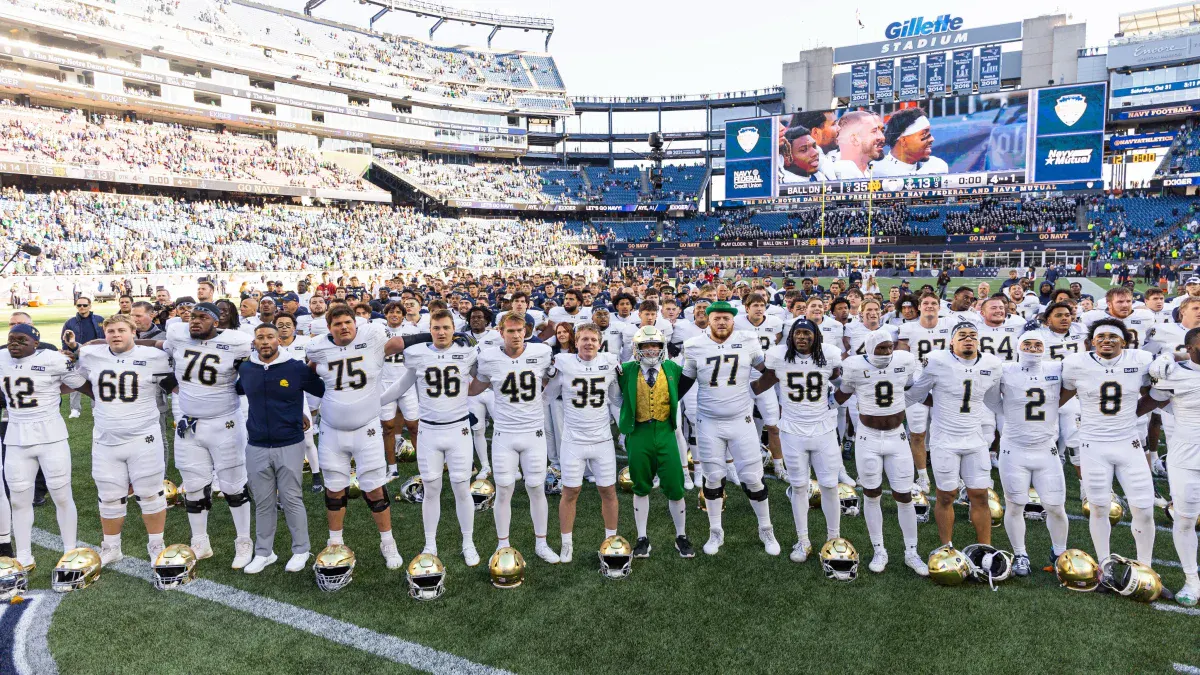
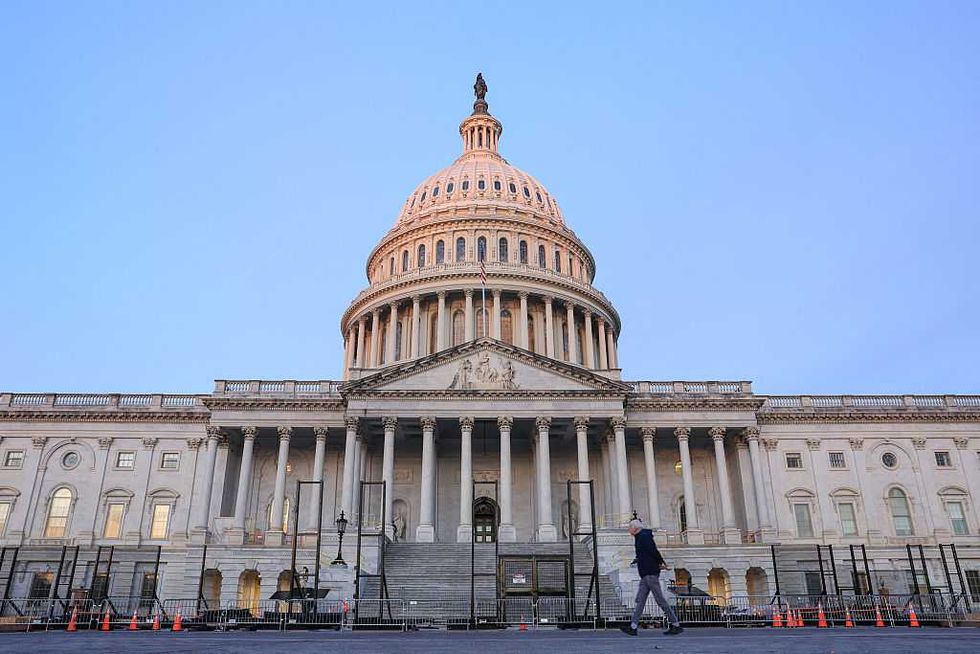
A bipartisan federal bill trumpeted as a way to save college sports may soon be on its deathbed after Democrats swept the recent midterm elections, effectively gaining control of both the Senate and the House of Representatives.
The Protect College Sports Act, led by U.S. Republican Senator Ted Cruz, passed the Senate in a 77-22 vote on Sept. 28, setting up a potential vote in the House before the end of the current Congressional session, which wraps up Jan. 3.
With now a lame duck session, when Congress meets after the November vote before elected individuals are sworn in, the likelihood of the college sports bill being voted upon in a Republican-controlled House is looking grim with limited floor time scheduled.
In other words, time is running out to vote on the bill before having to start all over again in a new Congress.
Sen. Ted Cruz got booed relentlessly on ESPN’s College GameDay in mid-Sept.
The media outrage was loud, too.
The viewership? It didn’t flinch.
On @SportNState.
https://t.co/A9Xf343bcH https://t.co/4foogz5tbo
— Mark J. Burns (@markjburns88) September 23, 2026
Christopher Pham, a sports law attorney at Fredrikson & Bryon in Minneapolis, believes the bill’s passage is “unlikely” before the January date due to the “compressed legislative calendar and a change in congressional control approaching.”
“Democrats have no reason to cooperate on this bill now and pass a bill that would be seen as a win for Trump and the Republicans,” added Mit Winter, a college sports attorney. He said the bill’s passage rate is currently “slim-to-none.”
Meanwhile, sports attorney Darren Heitner, Founder of Heitner Legal, put the odds at 80% that the Protect College Sports Act also doesn’t pass.
“House Republican leadership has already said it wants changes, and any change sends the bill back to the Senate for another vote,” Heitner said. “Democrats have now won the House and have little reason to give the outgoing majority a win on a bill their own caucus opposes.”
The Protect College Sports Act is probably dead.
— Darren Heitner (@heitner) November 4, 2026
At this point, the most likely outcome, according to lawyers interviewed, is that the current version of the PCSA dies and has to be reintroduced into a new Congress.
So, ultimately, what does that mean for the future of college sports in 2027 and beyond?
“College sports continues to be governed by litigation and settlement,” Heitner explained. “The House settlement framework, the College Sports Commission, and NIL Go will keep operating, but every rule they enforce stays exposed to antitrust challenges and conflicting state laws.”
Collegiate administrators, conferences, and other stakeholders will almost-certainly return to Congress in 2027. And now with a Democratic House, members of Congress “will demand more for athletes,” according to Heitner, stating that if and when a new bill emerges in Congress, it “will look materially different” from the current version.
It’s also possible a future new collegiate sports bill in Congress would specifically include collective bargaining rights for college athletes, either as employees or non employees, Winter said.
With last night’s election results likely meaning the end of the PCSA, a few thoughts:
– the NCAA’s relevance for high level college sports continues to wane
– power continues to move to conferences, who will make decisions without the NCAA (see the Big Ten’s new cap rule)
— Mit Winter (@WinterSportsLaw) November 4, 2026
Added Pham: “Ultimately, I believe Congress will have to revisit the issue. The underlying challenges are not going away, and the financial stakes will only continue to grow.
“The goal should not simply be to restore institutional control. It should be to establish a sustainable framework that provides stability for college athletics while appropriately protecting the rights and opportunities of the student-athletes who make the industry possible.”
Follow Mark J. Burns on X @markjburns88
More from this network:
Domains for Sale · GOTPeople.org · TheDSAPlatform · The Truth About Socialism
What's Your Reaction?
 Like
0
 Dislike
0
 Love
0
 Funny
0
 Wow
0
 Sad
0
 Angry
0

I am just an average American. My teen years were in the late 70s and I participated in all that that decade offered. Started working young, too young. Then I joined the Army before I graduated High School. I spent 25 years in, mostly in Infantry units. Since then I've worked in information technology positions all at small family owned companies. At this rate I'll never be a tech millionaire. When I was young I rode horses as much as I could. I do believe I should have been a cowboy. I'm getting in the saddle again by taking riding lessons and see where it goes.
Premium domains for sale







Comments (0)