

The Young Men of 1776: When Progressives Really Wanted Progress
Premium domains for sale
Freedom Is Back In Style
It has become an unfortunate habit of some on the Right to blame our failures on an overly idealistic youth. Our country’s history tells a different story.
Freedom Is Back
In Style
Premium domains for sale
Audacity and idealism in young people are features, not bugs. As a matter of fact, it’s baked into our national identity. The Founding Fathers were, for the most part, young men in their 20s and 30s.
In the year 1776, Alexander Hamilton was the age of a college junior. Instead of trigger warnings and safe spaces, he dedicated his energy to the nuances of nation-building. Not long after, he went on to craft the greatest financial system the world has ever known.
James Madison at 25 wasn’t focused on “work-life balance” or “finding himself” like much of today’s youth. He was framing the Virginia State Constitution and would soon author the Bill of Rights.
It was a young man’s world. A far cry from today’s Washington, D.C., which can at times be difficult to distinguish from a nursing home.
Even the oldest among them, Mr. Benjamin Franklin (age 70), would be a veritable spring chicken in today’s political landscape.
They weren’t waiting for permission from the grown-ups.
While the average life expectancy was only around 35-40, this figure is widely misunderstood. Extremely high infant mortality rates drove the average down vastly. The life expectancy for adults who survived youth was closer to 70. Today, a healthy 21-year-old can expect to live to about 78-82.
In other words, the change in life expectancy does not explain why our politicians have doubled in age.
The same youthful energy exists today. You can find it in college protests. You can find it in the endless online crusades and political activism. With some exceptions, I tend to believe that these rowdy youth are well-intentioned. The difference is that the Founders were driven by a deep understanding of history and the world around them. Today’s youth are predominantly driven by catchy slogans and bumper-sticker logic.
Robert A. Heinlein once said that “Goodness without wisdom always accomplishes evil.”
Even in the days of the American Revolution, there were two versions of youthful idealism: one disciplined by history and the other intoxicated by utopian rage. Only a few short years after the American youth had crafted the republic, the French youth had brought chaos and mayhem into their society. In their case, the consequence of reckless idealism was the Reign of Terror.
While experience is the best teacher, there is also something to be said for action. The Founders chose not to wait for permission. They ferociously educated themselves in philosophy, history, and economics.
The Founding Fathers didn’t have access to Google. Their education paled in comparison to ours when you factor in the modern world’s vast resources and democratization of information.
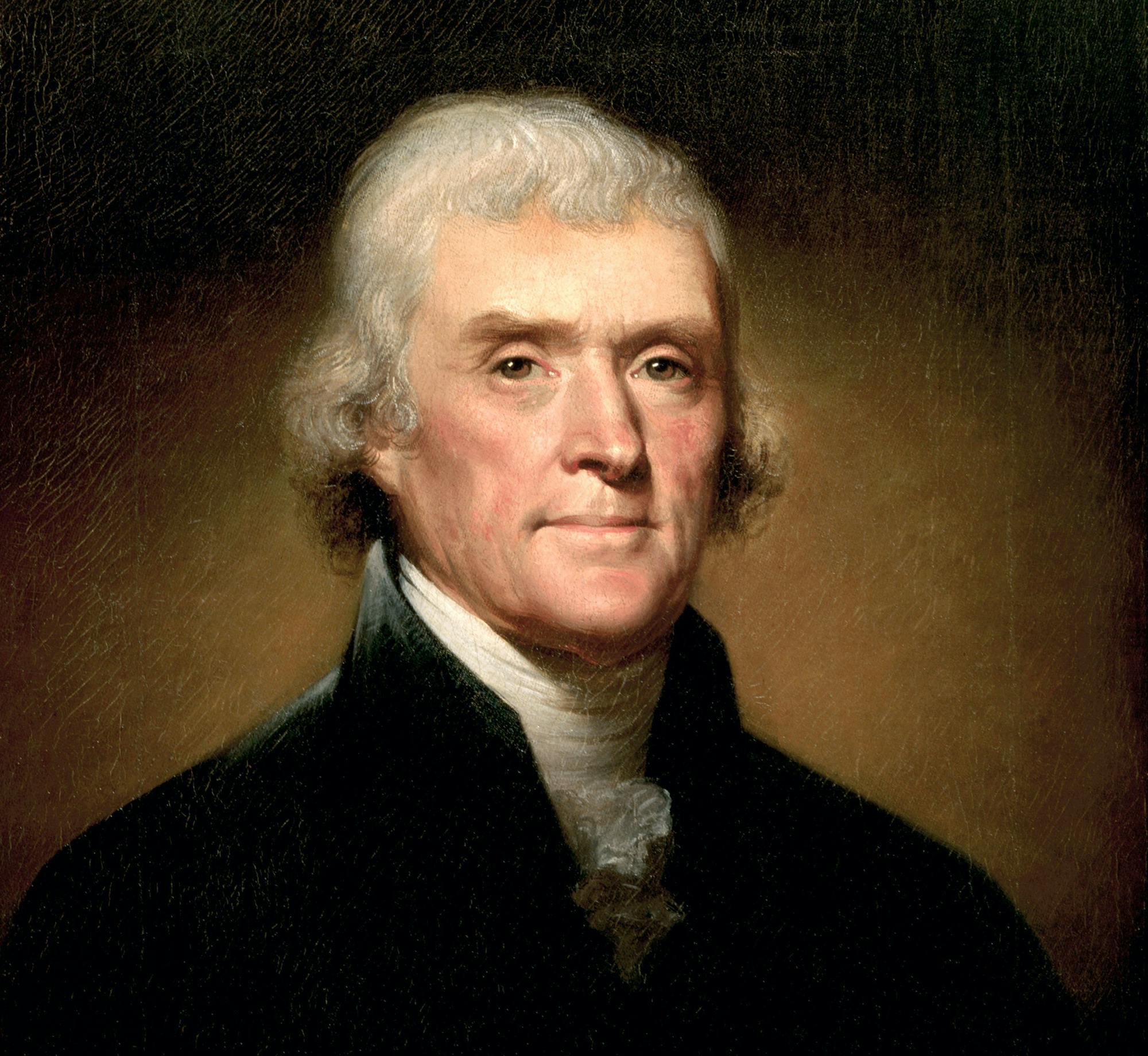
True, there may be a wash of underqualified teachers and liberal orthodoxy in the public education system. But this problem has existed in one form or another for hundreds of years. The great minds in our history didn’t wait for world-class education to drop neatly into their laps. Thomas Jefferson was known to devote 15 hours a day to his personal studies.
What’s your excuse?
We cannot be so lazy as to blame partisanship for the prevalence of a destructive disposition. The disagreements between the Federalists and the Democratic Republicans were no less fierce than those today. Think Jefferson didn’t view Hamilton as a tyrannical threat to Democracy? Think Hamilton didn’t view Jefferson as a radical extremist with no grasp on reality? Think again.
They compromised with their enemies not because they wanted to, but because it was necessary. They rose to the occasion because young didn’t have to mean stupid, and idealistic didn’t have to mean immature.
Perhaps young people governed differently when they had to live in the world that they built. It is a lot less appealing to plug your ears and pretend that snappy rhetoric is a substitute for pragmatic action when you have to face the consequences.
Our debt crisis is indicative of politicians who are much more comfortable hitting the snooze button on today’s issues than facing them head-on. It’s a lot easier to kick the can down the road when you’ve got one foot out the door. Hamilton and Jefferson had to reap whatever they sowed. Bernie Sanders, not so much.
It is both futile and foolish to try to suppress the youthful spirit. It should be nurtured and directed towards positive ends.
It is time we teach our children to be a little more like the Founding Fathers and a little less like the French.
More from this network:
Domains for Sale · GOTPeople.org · TheDSAPlatform · The Truth About Socialism
What's Your Reaction?
 Like
0
Like
0
 Dislike
0
Dislike
0
 Love
0
Love
0
 Funny
0
Funny
0
 Wow
0
Wow
0
 Sad
0
Sad
0
 Angry
0
Angry
0

I am just an average American. My teen years were in the late 70s and I participated in all that that decade offered. Started working young, too young. Then I joined the Army before I graduated High School. I spent 25 years in, mostly in Infantry units. Since then I've worked in information technology positions all at small family owned companies. At this rate I'll never be a tech millionaire. When I was young I rode horses as much as I could. I do believe I should have been a cowboy. I'm getting in the saddle again by taking riding lessons and see where it goes.
Premium domains for sale





















Comments (0)