

Why Hasn’t Washington Pressed Qatar To Extradite Terrorists?
Premium domains for sale
Freedom Is Back In Style
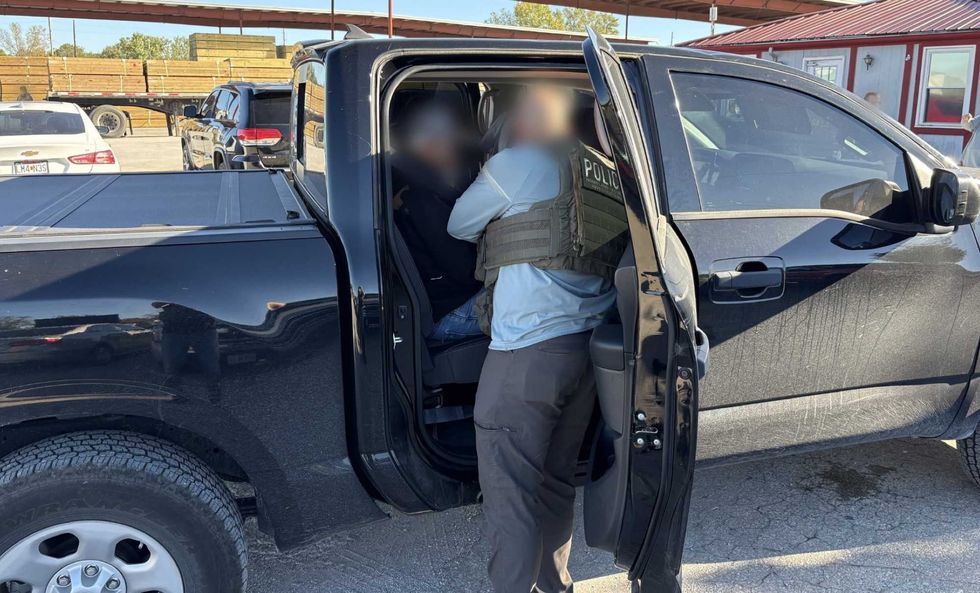
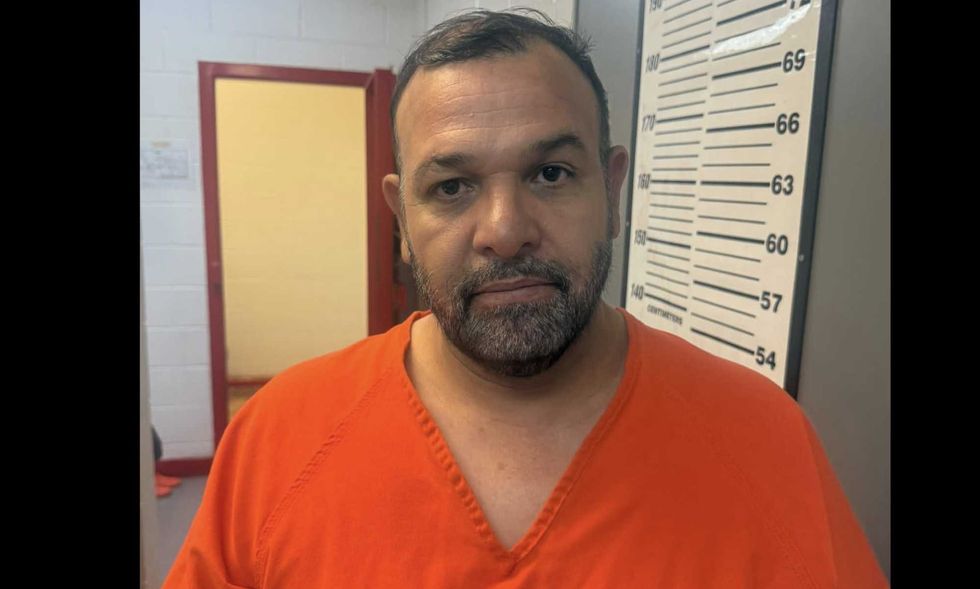
A Texan’s time on the run came to an end this month when the FBI extradited him from Qatar to the United States. FBI Dallas coordinated with Qatari authorities to apprehend the suspect, a 28-year-old man allegedly involved in a sweeping money laundering network who has evaded justice since 2021. The story is an example of what the U.S.-Qatar partnership can achieve when it’s working as it should. However, the success does more to accentuate the partnership’s shortcomings than add a notch in its belt.
Freedom Is Back
In Style
Premium domains for sale
In August 2021, federal authorities charged 101 individuals allegedly involved in a “cell phone trafficking conspiracy” dubbed “Operation Cash Out.” A superseding indictment claimed that the suspects were part of a “multi-layered criminal organization” that sold nearly $100 million of stolen electronics to foreign import companies. One of the suspects, Abdullah Anwar, fled to Pakistan while awaiting trial. Eventually, he made his way to Qatar, where he landed in cuffs. Now in the United States, Anwar is facing charges of “conspiracy to transport stolen property, conspiracy to commit mail fraud, wire fraud, and money laundering.”
Fugitives have sought refuge in Qatar for decades. Some have lived there openly. However, Anwar is one of the few publicly acknowledged extradition cases. The U.S. does not have an extradition treaty with Qatar. But given the strength of the bilateral partnership and the high-profile offenders who seek refuge in Qatar, the relatively low arrest rate is surprising.
In 1996, then-FBI Director Louis Freeh wrote to Qatar’s foreign minister that he had “received disturbing information suggesting that” al-Qaeda mastermind Khalid Sheikh Mohammed (KSM) had “again escaped the surveillance of your Security Services and that he appears to be aware of F.B.I. interest in him.” KSM had been living freely in Qatar, earning a government salary at the Ministry of Electricity and Water while plotting terrorist attacks. The FBI nearly nabbed him in 1996, but Qatari officials reportedly “tipped him off,” and he fled to Pakistan before linking up with Osama bin Laden in Afghanistan.
Thirty years later, the episode is apparently water under the bridge. FBI Director Kash Patel signed two Memorandums of Understanding (MoU) with Qatar’s Ministry of Interior while in Doha in December 2025. The MoUs reflected a “shared commitment to public safety and counterterrorism cooperation,” according to the U.S. Embassy in Qatar.
Law enforcement cooperation is occurring at the state level too. Former New York City Police Commissioner Edward Caban visited Qatar twice in 2023 for meetings and to “observe and collaborate regarding security practices.” The Qatari government reportedly paid for both junkets. The next year, a delegation from Qatar’s Police Academy visited the New York Police Academy. Dallas Police Chief Daniel Comeaux also traveled to Qatar with a group of officers in August 2025 as Texas prepared to host games for the 2026 FIFA World Cup.
The mutual exchange of expertise would suggest that Qatar’s record has improved since the days of KSM’s escape. Unfortunately, that is not the case.
Despite achieving Major Non-NATO Ally status, Qatar has continued to harbor terrorists and provide a haven to their private financiers. In one high-profile case, Doha brokered a prisoner swap that saw the United States free five Taliban prisoners from Guantanamo Bay in exchange for U.S. Sgt. Bowe Bergdahl. The “Taliban 5” resettled in Qatar, where they were monitored by the government. Washington greenlit this arrangement presumably under the belief that Doha would exercise sufficient oversight. However, within a year of the exchange, American officials told the media that the Taliban 5 had “attempted to make contact with active members of the Taliban while under supervision from the Qataris.”
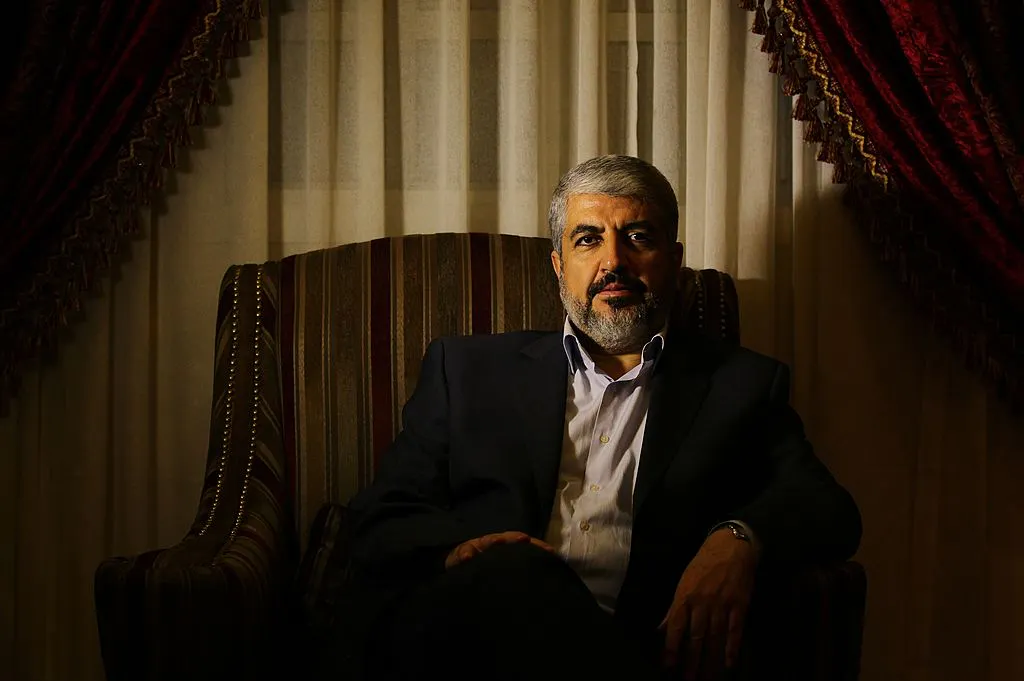
Hamas also sought shelter in Qatar, over 1,000 miles away from Gaza where the group’s leaders could amass personal fortunes and incite violence at a safe distance from the bloodshed. While the U.S. government tolerated Hamas’ official presence in Doha, reports suggest that Qatar went so far as to train Hamas officers at its police academy as late as 2023. Hamas’s politburo watched the October 7, 2023, massacre in Israel unfold from their offices in Doha. Many of them have since met their maker. Yet at least one senior chief is still kicking: Khaled Meshaal.
Meshal has resided in Qatar since 2012. He served as Hamas’s political chief before becoming the group’s de facto foreign minister in 2021. Former Qatari Foreign Minister Khalid bin Mohammed Al Attiyah once described Meshaal as a “dear guest of Qatar,” and that sentiment continues. Meshaal appeared on stage at the 2026 Al Jazeera Forum in Doha, where he celebrated the October 7 massacre for having “brought the Palestinian cause back to the forefront of the world.”
Bizarrely, Qatar continues to platform Meshaal despite the fact that he faces terrorism, murder conspiracy, and sanctions-evasion charges in the United States. The U.S. Department of Justice unsealed those charges in September 2024, but Qatar evidently does not intend to extradite him. Nor has Washington pressed the Qataris to do so. There was a fleeting moment later in 2024 when it seemed Qatar was preparing to expel Hamas at the Biden administration’s request. Those reports were either untrue or unrealized, and there’s been little American pressure since. That is inexcusable.
If Anwar’s arrest is any indication, Qatar has the capacity to extradite defendants in cooperation with U.S. authorities. Meshaal’s continued impunity is therefore likely a matter of will rather than ability. There is little reason why Washington shouldn’t demand that Qatar extradite Meshaal and begin to flush the world’s most wanted from its territory. That should be a bare minimum ask from a country that purports to be a friend of the United States.
***
Natalie Ecanow is a senior research analyst at the Foundation for Defense of Democracies (FDD). Follow Natalie on X @NatalieEcanow. Follow FDD on X @FDD. FDD is a Washington, DC-based, nonpartisan research institute focusing on foreign policy and national security
More from this network:
Domains for Sale · GOTPeople.org · TheDSAPlatform · The Truth About Socialism
What's Your Reaction?
 Like
0
Like
0
 Dislike
0
Dislike
0
 Love
0
Love
0
 Funny
0
Funny
0
 Wow
0
Wow
0
 Sad
0
Sad
0
 Angry
0
Angry
0

I am just an average American. My teen years were in the late 70s and I participated in all that that decade offered. Started working young, too young. Then I joined the Army before I graduated High School. I spent 25 years in, mostly in Infantry units. Since then I've worked in information technology positions all at small family owned companies. At this rate I'll never be a tech millionaire. When I was young I rode horses as much as I could. I do believe I should have been a cowboy. I'm getting in the saddle again by taking riding lessons and see where it goes.
Premium domains for sale


Comments (0)