

25 Years Later, The Ideology Of 9/11 Lives On
Premium domains for sale
Freedom Is Back In Style
The ideology that spawned America’s worst terror attack lives on through the Muslim Brotherhood, experts are warning.
Freedom Is Back
In Style
Premium domains for sale
Recently, the Trump administration has begun targeting the Muslim Brotherhood’s international financial network, and some Republican lawmakers are calling on the administration to prevent CAIR from receiving federal grants. The Muslim Brotherhood shares the same underlying principles of groups like Al-Qaeda and ISIS, according to Lorenzo Vidino, director of the Program on Extremism at The George Washington University.
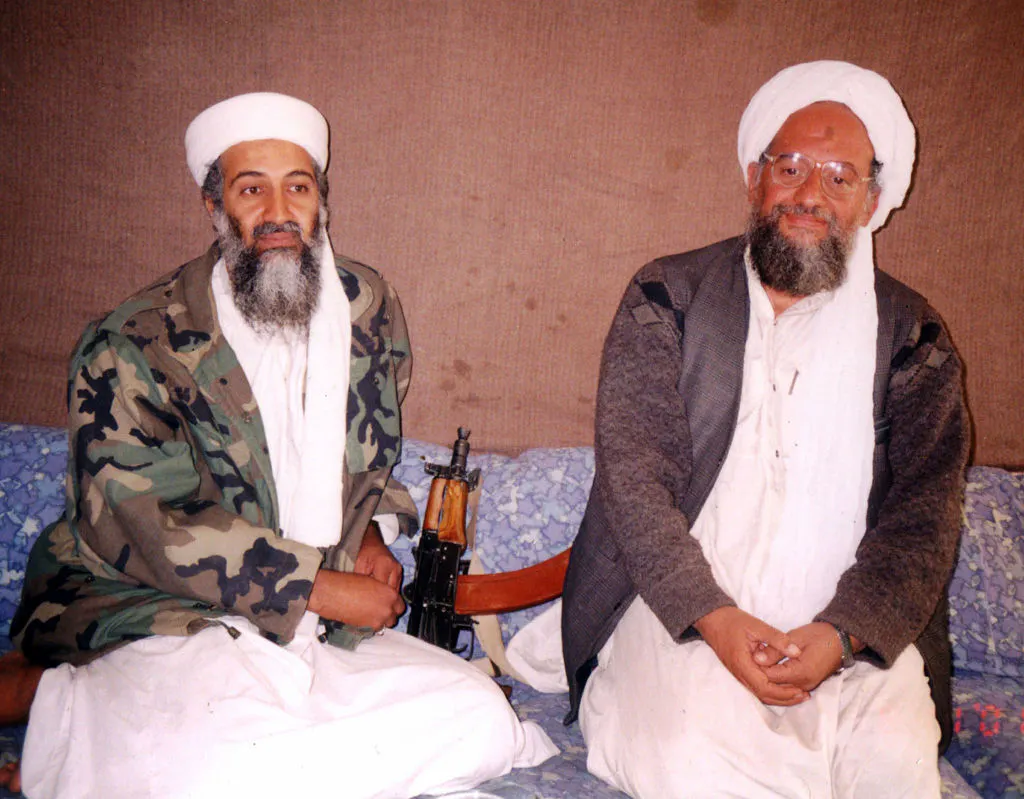
“The difference between the Brotherhood and Al Qaeda and ISIS is just in the tactics. The ideology is the same. The goals are the same,” Vidino recently said at the Manhattan Institute’s 9/11 program. He called the founders of al-Qaeda, including Osama bin Laden, “impatient brothers” who “were no longer satisfied with the gradualist approach of the Brotherhood, the century-long plan to Islamize society, infiltrate the system, and eventually gain power.”
While early panels at the Manhattan Institute’s 9/11 program focused on how ISIS continues to inspire lone wolf attacks throughout the West, the later half of the evening examined a subtler form of Islamism and the challenges it poses to America.
The Muslim Brotherhood was initially conceived in Egypt and its founders were adherents of Salafi Islam. Their founding goal was to globalize Islam and build a caliphate. Vidino also described the debates through which al-Qaeda and other groups broke off from the Brotherhood as “the endless debate within Islamist movements … between ballots over bullets.” The Muslim Brotherhood has at times engaged in both, such as with its founding of Hamas.
According to the panelists, the Muslim Brotherhood poses a unique security challenge for America. Since they often operate by funding charities, or nonprofits, or sponsoring academics that share their worldview to influence the next generation, not all of the officials can easily be designated as terrorists without substantially changing U.S. law.
Mariam Wahba, a Coptic Christian who fled from the Egyptian branch of the Muslim Brotherhood, bemoaned how professors at Fordham had defended the Muslim Brotherhood when she attended the school. She believed the popularity of the “tentifada” protest movements on college campuses was a symptom of broader Muslim Brotherhood influence on American campuses.
The Council on American-Islamic Relations (CAIR) is one such Islamic charity with links to the Muslim Brotherhood. Texas attorney general and Republican senate candidate Ken Paxton is suing CAIR-Texas over its operations in his state. The suit outlines extensive connections between CAIR and other violent Islamic groups, including its founding as a camouflage tool for the Islamist movement.
Vidino noted that in the Arab world the Muslim Brotherhood is widely proscribed as a terrorist organization, and that President Trump recently designated four branches of the Brotherhood as terrorist organizations. He lauded an “Al Capone approach” whereby officials scrutinize any individual known to be affiliated with the Brotherhood and find other crimes they committed and prosecute them to the fullest extent possible.
More from this network:
Domains for Sale · GOTPeople.org · TheDSAPlatform · The Truth About Socialism
What's Your Reaction?
 Like
0
Like
0
 Dislike
0
Dislike
0
 Love
0
Love
0
 Funny
0
Funny
0
 Wow
0
Wow
0
 Sad
0
Sad
0
 Angry
0
Angry
0

I am just an average American. My teen years were in the late 70s and I participated in all that that decade offered. Started working young, too young. Then I joined the Army before I graduated High School. I spent 25 years in, mostly in Infantry units. Since then I've worked in information technology positions all at small family owned companies. At this rate I'll never be a tech millionaire. When I was young I rode horses as much as I could. I do believe I should have been a cowboy. I'm getting in the saddle again by taking riding lessons and see where it goes.
Premium domains for sale
















Comments (0)