

America’s Chronic Disease Crisis Is Largely Man-Made—and Reversible
Premium domains for sale
Freedom Is Back In Style
HHS Secretary Robert F. Kennedy Jr. has done many things in a year and a half in office. But perhaps none is more important than highlighting our man-made chronic disease crisis.
Freedom Is Back
In Style
Premium domains for sale
Modern life has brought countless blessings. Clean water, sewage systems, antibiotics, refrigeration, and more have tamed many deadly diseases. In the last two centuries, lifespans doubled. Doctors can now manage diseases that once killed our ancestors, so they become “chronic.” Better testing also finds problems earlier, while broader diagnostic rules can inflate the numbers, making things look worse than they are.
Yet none of this explains the scale and speed of the rise we now see in obesity, type 2 diabetes, fatty liver disease, allergies, asthma, anxiety, depression, attention problems, and some autoimmune and reproductive disorders. Many of these start in childhood. Genes didn’t change this fast. Our environment did.
An idea called “discordance” helps make sense of this trend. Human bodies and minds were shaped for a different world, one built on whole foods, natural light and dark, heat and cold, regular movement, tight-knit families, and modest, slow-changing tools. In a few decades, we traded that world for one built on ultra-processed carbs, constant snacking, screens and blue light at night, chemical exposures, and quick medical fixes that have long-term downsides. We’re now out-of-sync with an environment we’ve created. This mismatch scrambles our biology and drives chronic disease.
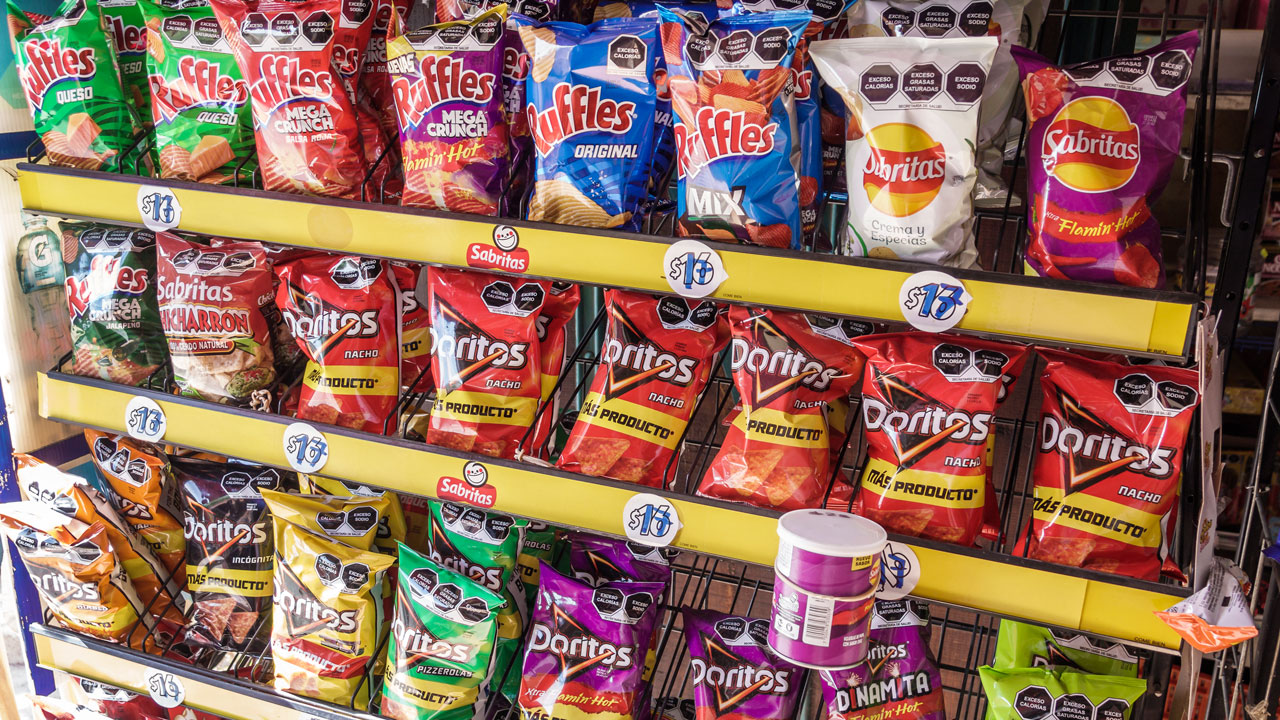
Start with food. For most of human history, people ate real foods: meat, eggs, fish, roots, and seasonal plants. Sugar was rare. Today, added sugar and refined grains are cheap and ubiquitous. Ultra-processed Frankenfoods now supply most calories for most kids. These foods spike blood sugar, trigger insulin resistance, and promote fat storage and inflammation.
Over time, that pattern leads to obesity, metabolic syndrome, and type 2 diabetes—even in the young. Industrial seed oils, promoted for decades as a “heart healthy” swap for natural fats, add another layer of trouble by tilting diets toward omega-6 fats that likely fuel inflammation. We also graze all day. This robs our bodies of the fed–fasted rhythm that once built metabolic flexibility.
Lifestyle shifts compound the damage. Our ancestors lived by the sun. We live by artificial lights and screens. Blue light at night suppresses melatonin, scrambles circadian rhythms, and degrades sleep. Kids now spend many hours a day on devices and less time moving their bodies or getting sunlight that helps make vitamin D.
Indoor climate control blunts normal cold and heat exposure that once trained our stress systems. Sedentary days and short nights are a bad mix for our minds, hormones, and weight.
Environmental toxins add a third strike. Plastics and many consumer goods carry endocrine-disrupting chemicals such as BPA and phthalates. Pesticides and heavy metals can contaminate food and water. Some exposures are likely benign. But others, though low-dose, are constant. In this way, they can mimic or block hormones, disturb the gut, and place chronic stress on immune and brain systems. Again, we see this especially in the young, who are still developing.
Then there is the way we use medicines and medical schedules meant for acute threats. Antibiotics save lives, but overuse disrupts the gut microbiome and feeds antibiotic resistance. Psychiatric drugs can help some patients in crisis, yet long-term, multi-drug use has risks that deserve far more study, particularly for children. While some vaccines have reduced or removed many infections, the rapid expansion of the childhood schedule over the past four decades is absurd. It warrants transparent, independent research on its harmful effects. Calling for better evidence and medical freedom isn’t “anti-science.” It’s due diligence.
Finally, toxic ideologies—from atheism and materialism to misanthropic forms of environmentalism—have made us aimless, depressed, and far less likely to marry and have children. Beliefs shape biological outcomes, and the trends in the last two centuries have all moved in one bad direction. Modern countries can no longer even maintain their population.
Put these strands together and a clear picture emerges: our modern package—diet, habits, chemicals, some medical practices, and beliefs—has changed far faster than human biology can adapt. It’s no wonder so many systems are out of sync: metabolism, sleep, immunity, mental health, even fertility.
I’m not saying we should return to caves and paleolithic life. But we should weigh new practices against time-tested standards and give the benefit of the doubt to the foods and habits that helped our grandparents thrive.
Policy can help. Here’s a practical playbook:
- Federal dietary advice has just shifted to a focus on whole foods, animal proteins, eggs and dairy, and low-glycemic plants. It still needs to drop the war on natural saturated fats and warn clearly about added sugars, ultra-processed carbs, and industrial seed oils.
- Stop subsidizing the corn-and-soy inputs that feed the junk-food economy. Help make nutrient-dense, ancestrally aligned foods more affordable for families.
- Government food programs should discourage ultra-processed carbs and require clear labeling for additives and seed-oil content.
- Promote metabolic flexibility: fewer snacks, time-restricted eating windows, fasting, and real school recess and physical education.
- Support breastfeeding and improve infant formula to better match the nutrients and microbiome support in mother’s milk.
- Fund independent research on endocrine disruptors, heavy metals, and other exposures, and reassess public standards where evidence points to harm.
- Establish evidence-based screen-time and light-at-night guidance for schools and families.
- Rein in routine overuse of antibiotics and psychiatric drugs, and commission independent, placebo-controlled studies on the full childhood vaccine schedule’s long-term safety—paired with strong protections for medical freedom.
Policymakers can make progress, but families don’t have to wait for Washington to act. You can:
- Base your meals on whole foods your great-grandmother would recognize. Cook with butter, coconut oil, beef tallow, and lard. In salad dressing, use olive oil and avoid seed oils.
- Cut sugary drinks and refined snacks. Keep firm meal windows and let kids feel normal hunger between meals.
- Get morning sunlight, dim screens after dusk, and aim for eight to nine hours of sleep for school-age kids.
- Encourage daily movement and strength work. Walk after meals.
- Reduce plastic use with food and drink. Filter water if needed.
- Treat drugs with respect and first seek out non-drug options when possible.
Chronic disease is draining family wealth, human energy, and our public purse. A healthier culture won’t come from a single federal rule or a miracle pill. It will come from millions of wiser choices that shape market incentives and from leaders with the courage to reset bad policies.
We created much of this crisis by accident. We can help end it on purpose.
For the full analysis and detailed references to the scientific literature supporting the ideas above, see my new special report here.
More from this network:
Domains for Sale · GOTPeople.org · TheDSAPlatform · The Truth About Socialism
What's Your Reaction?
 Like
0
Like
0
 Dislike
0
Dislike
0
 Love
0
Love
0
 Funny
0
Funny
0
 Wow
0
Wow
0
 Sad
0
Sad
0
 Angry
0
Angry
0

I am just an average American. My teen years were in the late 70s and I participated in all that that decade offered. Started working young, too young. Then I joined the Army before I graduated High School. I spent 25 years in, mostly in Infantry units. Since then I've worked in information technology positions all at small family owned companies. At this rate I'll never be a tech millionaire. When I was young I rode horses as much as I could. I do believe I should have been a cowboy. I'm getting in the saddle again by taking riding lessons and see where it goes.
Premium domains for sale





















Comments (0)