

America’s Transparency Problem Reaches the Salad Dressing Aisle
Premium domains for sale
Freedom Is Back In Style
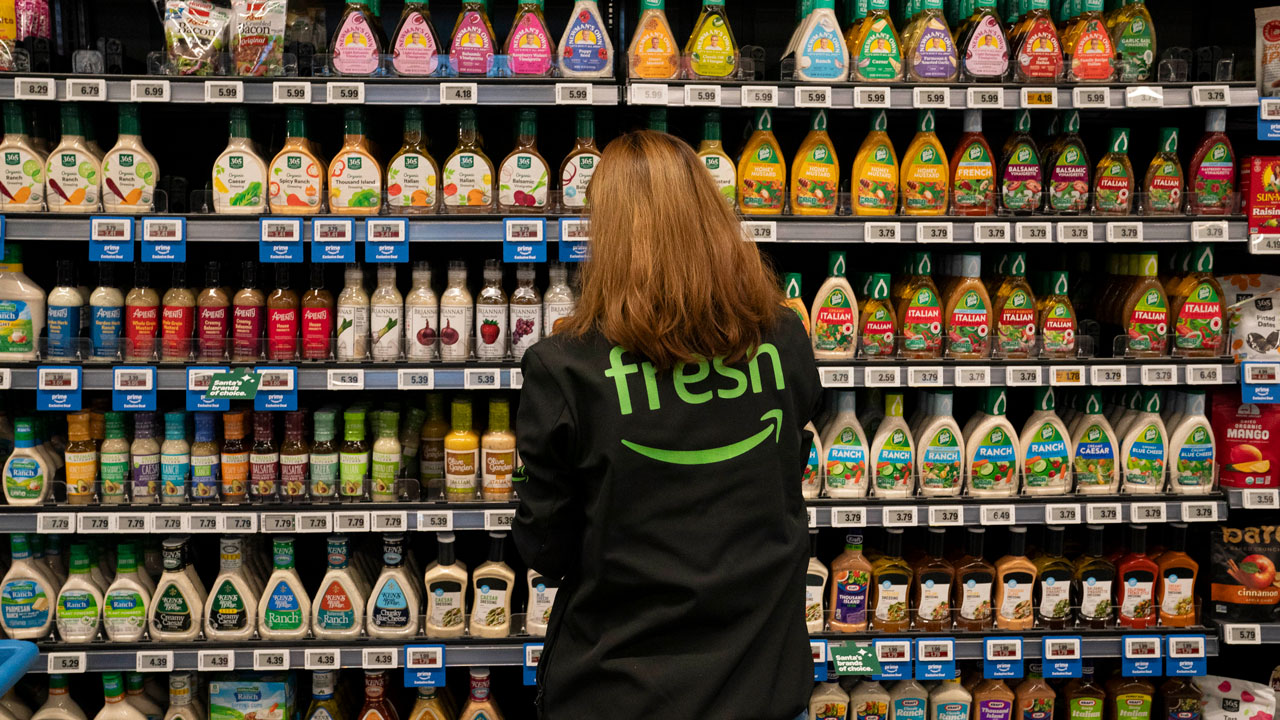
Even as the food industry takes big steps toward “Making America Healthy Again,” transparency remains in short supply.
Freedom Is Back
In Style
Premium domains for sale
A July 2026 study by Applied Food Research dealt a major blow to consumer trust in Primal Kitchen and other brands that claim to be swimming against the seed oil current.
If this study is accurate, then “hint of avocado” might more accurately describe the oil used in at least three of Primal Kitchen’s most popular products, including its Avocado Oil Mayonnaise. Despite costing double or even triple the price of comparable store brands, these sauces and dressings fly off the shelves and onto the plates of shoppers looking to avoid the toxicity of seed oils.
But we may have spent our money in vain. This study “identified substantial differences between labeled oil claims and measured oil composition, particularly among avocado oil–labeled products.”
Mark Sisson launched Primal Kitchen in 2015 with the hope of creating “real-food pantry staples” for customers who want better ingredients for themselves and their home-cooked meals.
The Kraft Heinz Company acquired Mark’s company for about $200 million in 2019.
Now, in 2026 and under new management, it looks as if Primal Kitchen’s avocado oil labels could constitute advertising. It’s hard to say if the alleged adulteration of Sisson’s paleo product is a result of a Big Food acquisition, lack of regulatory oversight, or simply a case of deceit. The study shows that products purchased in 2025 and 2026 don’t match their marketing.
In fact, the blame may not rest solely with Primal Kitchen or Kraft Heinz. The study indicates that the discrepancy could originate upstream in the supply chain, with avocado oil suppliers. But wherever the problem begins, there should be answers.
Because oils used as an ingredient in sauces or snacks “may be subjected to thermal processing, emulsification, or blending,” it is harder to assess their quality than to evaluate a bottle of plain avocado oil. Still, whether this complexity is used to misrepresent product quality or not, customers understandably trust what they read on their grocery labels. I know I do.
Convincing busy shoppers to read nutrition labels and scrutinize ingredient lists for high-fructose corn syrup, added sugars, seed oils, and more is already a big ask. But if those labels misrepresent what a product contains, we are all wasting our time.
Forget informed choice. Consumers would be at the mercy of whatever companies decide to put in their products.
I confess that this is personal.
I often dress my salads with Primal Kitchen’s Greek Dressing, drizzle their Special Sauce over burger bowls, and dip chicken legs in their Buffalo Sauce. Their flavorful products have elevated my cooking and helped me avoid seed oils, or so I thought. I had justified the extra cost I was paying in the name of clean eating.
Now, after reading this study, I’m reconsidering my purchases.
If I’m going to buy $12 avocado oil mayo to mix in my chicken salad, it should be made with avocado oil. Otherwise, I’ll go back to the Miracle Whip my grandma used in the 1950s and save a buck. Or ten.
Discoveries like this could tempt consumers to give up on mindful purchasing altogether. With encouragement from the MAHA movement, many have only recently begun paying attention to ingredient lists. But if consumers can’t trust even the “clean” companies, they may throw up their hands and conclude that reading labels is little more than an exercise in blind trust.
We ought to demand transparency, but that is only part of the solution.
This incident should also underscore the motto of the new government food guidelines: eat real food. In other words, we should focus on whole, recognizable foods and ingredients that our grandparents would have had in their pantries.
Even the healthiest premade salad dressing is still a processed food. The more steps that stand between consumers and their food, the more opportunities there are for mistakes, inconsistencies, and imperfections, even from the most well-intentioned companies.
Luckily, we don’t have to depend on the food industry alone to Make America Healthy Again.
The real work happens at home, in your own kitchen, one meal at a time.
More from this network:
Domains for Sale · GOTPeople.org · TheDSAPlatform · The Truth About Socialism
What's Your Reaction?
 Like
0
Like
0
 Dislike
0
Dislike
0
 Love
0
Love
0
 Funny
0
Funny
0
 Wow
0
Wow
0
 Sad
0
Sad
0
 Angry
0
Angry
0

I am just an average American. My teen years were in the late 70s and I participated in all that that decade offered. Started working young, too young. Then I joined the Army before I graduated High School. I spent 25 years in, mostly in Infantry units. Since then I've worked in information technology positions all at small family owned companies. At this rate I'll never be a tech millionaire. When I was young I rode horses as much as I could. I do believe I should have been a cowboy. I'm getting in the saddle again by taking riding lessons and see where it goes.
Premium domains for sale






















Comments (0)