

Apple’s Patent Losses Explain Big Tech’s Lobbying Blitz
Premium domains for sale
Freedom Is Back In Style
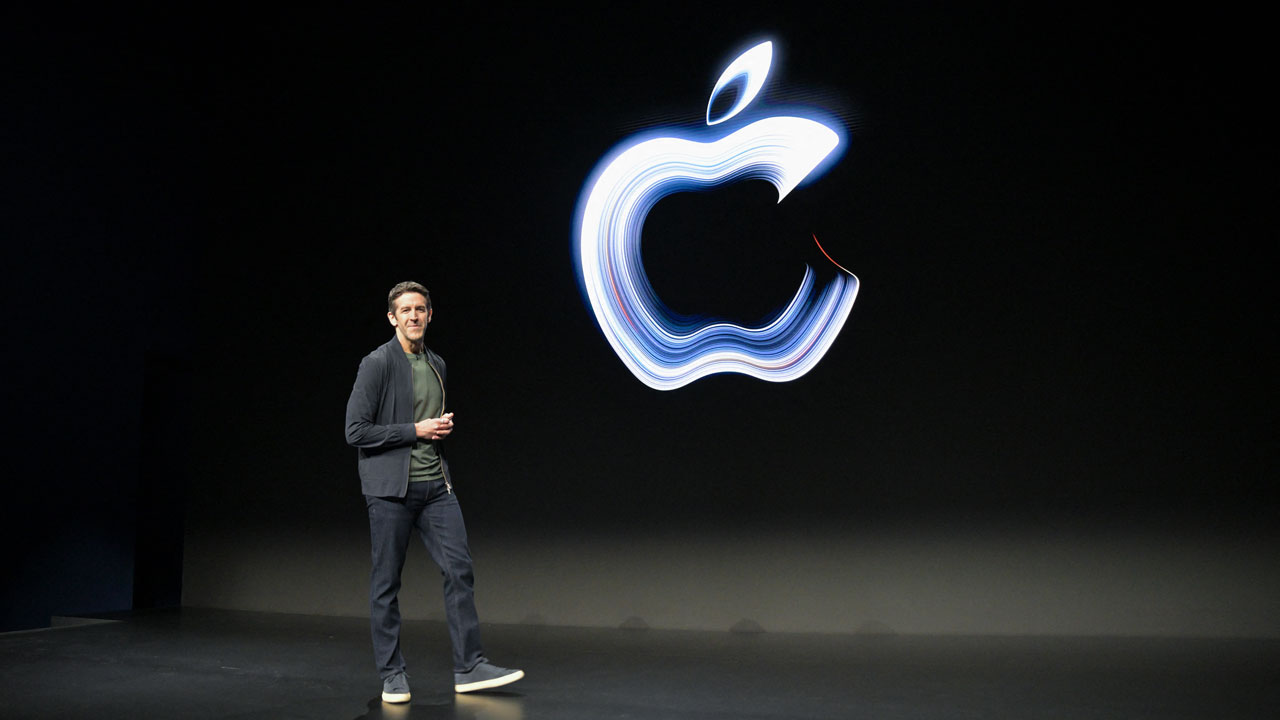
Apple’s epic loss in a patent infringement case helps explain Big Tech’s lobbying blitz in Washington.
Freedom Is Back
In Style
Premium domains for sale
A jury in California found Apple liable for billions of dollars in damages for using another company’s patented technology without permission—a form of property theft. Apple and its Big Tech allies are fighting a proposed federal rule that would limit a tool they use to undermine patent claims that might lead to similar losses.
In September, a federal jury awarded Taction Technology $5.7 billion after finding that Apple infringed its patents covering haptic feedback technology used in iPhones and Apple Watches. Taction is pursuing additional damages and interest.
This isn’t the first time Apple has been found to have helped itself to another company’s technology without paying.
Last year, a jury awarded medical technology company Masimo $634 million after finding that Apple infringed a patent covering blood-oxygen monitoring. This October, a judge ordered Apple to pay another $184.2 million in prejudgment interest.
Apple should have paid royalties to use these companies’ technologies in the first place. Instead, both companies had to go to court to collect. The interest awarded to Masimo accounts for the years it went without the money it should have received for the use of its invention.
While these verdicts are massive, they don’t threaten Apple’s survival. For a smaller company, not being able to assert its patent rights can be catastrophic.
Jury awards like these give Apple (and its Big Tech allies) billions of reasons to lobby against strong patent rights. And they do, as they have for years. Unfortunately, they’ve been effective.
One of Big Tech’s biggest victories came in 2011 when Congress enacted the America Invents Act (AIA). The AIA created the Patent Trial and Appeal Board, an administrative tribunal within the U.S. Patent and Trademark Office. Congress intended PTAB to provide an alternative to the federal court system for re-evaluating patent validity.
At PTAB, a company accused of infringement or its allies can challenge whether the patent should have been granted at all. Invalidating the patent defeats the infringement claim. The AIA put no absolute limit on the number of times a patent may be challenged, giving Big Tech a powerful incentive to keep challenging patents that pose a risk to their business.
The list of PTAB’s most frequent users reads like a who’s who of Big Tech. These behemoths know how effective repeated patent challenges can be in wearing down inventors trying to enforce their rights. The chance to escape payment gives these companies plenty of motivation to fight limits on repeated challenges.
A proposed rule that would restrict repeated patent challenges at the PTAB has sent Big Tech’s anti-patent lobbying into overdrive.
The rule, proposed late last year, would protect inventors from having to defend the same patent repeatedly at PTAB as well as in court, reaffirming PTAB’s role as an alternative to litigation. This rare regulatory move would restore certainty to patent rights after years of abuse at PTAB.
Big Tech wasted no time in mounting a full-court press to get White House officials to shelve the rule. Of the first 25 meetings White House regulatory officials held on the proposal, 17 were with groups opposed to it. The High-Tech Inventors Alliance, the Computer & Communications Industry Association, United for Patent Reform, TechNet, and The App Association all joined the push. The groups’ members, sponsors, and funders include Apple and other PTAB frequent flyers such as Samsung, Google, Microsoft, Cisco, Dell, and Intel.
Though supporters of stronger patent protections rallied, bringing the meeting tally closer to equal by the end of September, it is not clear whether the administration will finalize the rule. Failing to do so would allow deep-pocketed interests to continue on their way at the expense of American innovation.
Investors need confidence that smaller companies can enforce their patents. Reining in PTAB abuse would help companies spend more on developing products and less on defending their patents.
The Trump administration should finish the job and finalize the rule. The government granted those patents. Inventors who take on a company as powerful as Apple should have a fair chance to enforce their rights and collect what they are owed without being worn down by repeated administrative challenges.
We publish a variety of perspectives. Nothing written here is to be construed as representing the views of the Daily Signal.
More from this network:
Domains for Sale · GOTPeople.org · TheDSAPlatform · The Truth About Socialism
What's Your Reaction?
 Like
0
 Dislike
0
 Love
0
 Funny
0
 Wow
0
 Sad
0
 Angry
0

I am just an average American. My teen years were in the late 70s and I participated in all that that decade offered. Started working young, too young. Then I joined the Army before I graduated High School. I spent 25 years in, mostly in Infantry units. Since then I've worked in information technology positions all at small family owned companies. At this rate I'll never be a tech millionaire. When I was young I rode horses as much as I could. I do believe I should have been a cowboy. I'm getting in the saddle again by taking riding lessons and see where it goes.
Premium domains for sale














Comments (0)