

Biden’s Social Media Censorship Campaign Is Finally Dead
Premium domains for sale
Freedom Is Back In Style
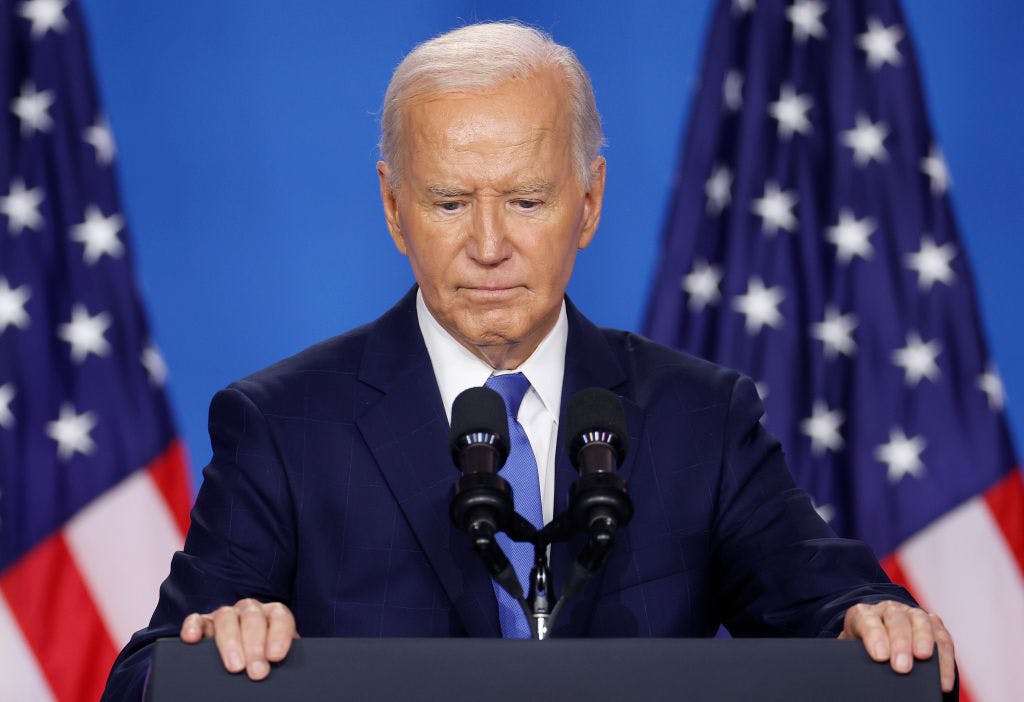
WASHINGTON—A civil rights group this week reached a sweeping settlement with the federal government, which will stop agencies from pressuring social media companies to remove or suppress lawful speech.
Freedom Is Back
In Style
Premium domains for sale
Freedom Is Back
In Style
Premium domains for sale
The New Civil Liberties Alliance announced Tuesday that it had reached a consent decree on behalf of its clients in the case Missouri v. Biden, a long-running case in which the plaintiffs alleged the Biden administration worked with big tech platforms to censor users with opinions it viewed as disagreeable — largely conservatives who deviated from the accepted orthodoxy on the COVID-19 pandemic.
Under the consent decree, federal entities, including the Centers for Disease Control and Prevention, the Cybersecurity and Infrastructure Security Agency, and the Office of the Surgeon General, are prohibited from threatening or coercing platforms such as Facebook, Instagram, X, LinkedIn, and YouTube over content moderation decisions. The agreement also bars officials from directing or vetoing those decisions.
The settlement is awaiting final approval from U.S. District Judge Terry Doughty.
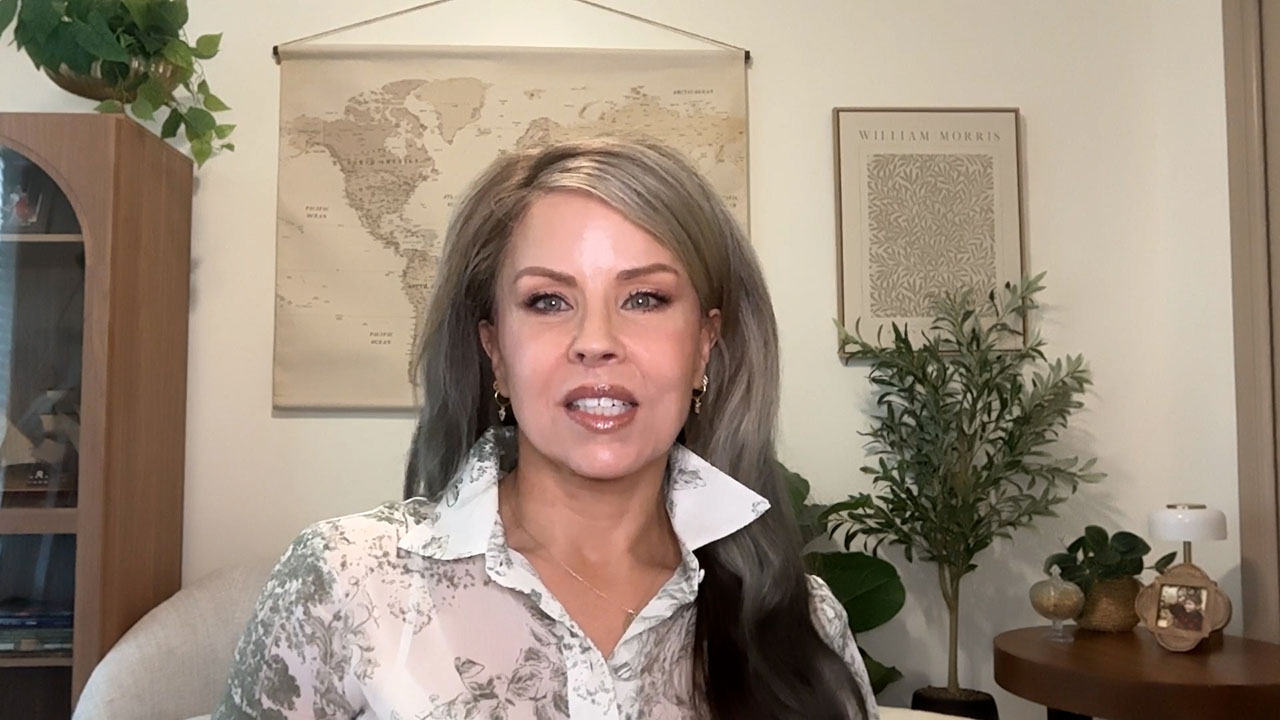
The case centers on claims that federal officials coordinated with social media companies to suppress viewpoints that conflicted with government messaging on COVID-19 and other politically sensitive topics. Plaintiffs, including Dr. Aaron Kheriaty and activist Jill Hines, argued that such actions amounted to unconstitutional government censorship carried out through private intermediaries.
NCLA attorneys said discovery in the case revealed what they described as a broad effort spanning multiple agencies and senior officials.
“This case began with a suspicion that blossomed into fact,” said John Vecchione, a senior litigation counsel with the group. “Freedom of speech has been powerfully preserved by our clients.”
The legal fight has taken multiple turns over the past several years. In 2024, the Supreme Court vacated a lower court injunction that had restricted government contacts with social media companies, ruling that the plaintiffs lacked standing at that stage of the case. Despite that setback, the lawsuit continued in district court, ultimately leading to the current agreement.
The settlement also reflects a broader policy shift under the Trump administration, which had previously condemned federal involvement in content moderation. In an early executive order, President Donald Trump criticized what he described as government infringement on Americans’ speech rights. As part of the agreement, the administration acknowledges that labeling speech as “misinformation,” “disinformation,” or “malinformation” does not remove First Amendment protections.
NCLA President Mark Chenoweth said the outcome reinforces a core constitutional principle.
“Federal officials may police the line between lawful and unlawful speech,” Chenoweth said, “but they have no role in deciding if speech is true or false.” The plaintiffs are granted authority to enforce the consent decree if violations occur, giving the agreement ongoing legal weight beyond the initial ruling.
The settlement marks one of the most significant legal developments to date in the ongoing debate over the government’s role in moderating online speech, an issue that has drawn increasing scrutiny from courts, lawmakers, and the public as social media platforms have become central to political discourse.
NCLA said related lawsuits targeting federal agencies and officials over similar allegations remain ongoing.
What's Your Reaction?
 Like
0
Like
0
 Dislike
0
Dislike
0
 Love
0
Love
0
 Funny
0
Funny
0
 Wow
0
Wow
0
 Sad
0
Sad
0
 Angry
0
Angry
0

I am just an average American. My teen years were in the late 70s and I participated in all that that decade offered. Started working young, too young. Then I joined the Army before I graduated High School. I spent 25 years in, mostly in Infantry units. Since then I've worked in information technology positions all at small family owned companies. At this rate I'll never be a tech millionaire. When I was young I rode horses as much as I could. I do believe I should have been a cowboy. I'm getting in the saddle again by taking riding lessons and see where it goes.
Premium domains for sale




Comments (0)