

China is building power. America is still debating it.
Premium domains for sale
Freedom Is Back In Style
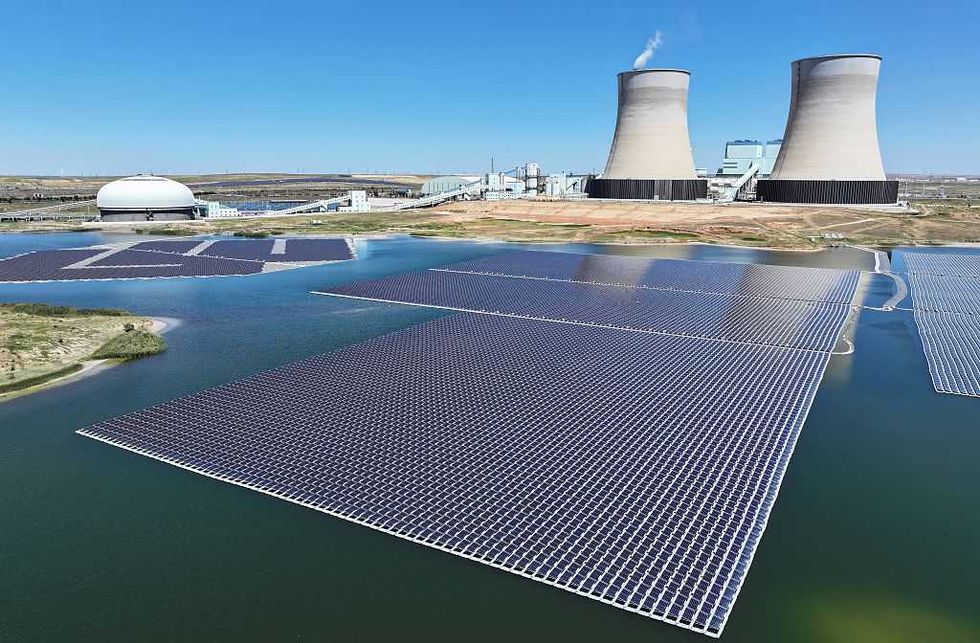
The U.S. Department of Energy recently announced that it is turning old federal land — including Cold War uranium sites, closed military facilities, and other public parcels — into part of the physical backbone of America’s artificial intelligence buildout, pairing new data centers with the power generation needed to run them. The projects could also create new domestic jobs.
Freedom Is Back
In Style
Premium domains for sale
Critics will focus on the benefits to big technology companies. The larger issue is harder to dismiss: Energy security is national security. The country that can build and power the next generation of AI infrastructure will hold an enormous economic and strategic advantage.
Whatever disagreements Americans have over individual energy sources, China is not waiting for us to resolve them.
That means the United States cannot afford an ideological energy policy. Whether the resource is natural gas, nuclear power, solar, battery storage, or the critical minerals needed to build advanced technologies, domestic supply should be treated as a strategic asset.
AI is already changing the scale of America’s power needs. Data centers alone could soon consume as much electricity as the entire country of Malaysia. Advanced manufacturing is returning to American soil and will require still more reliable power.
The military is modernizing with increasingly energy-intensive technology as well. As retired U.S. Air Force Lt. General David Deptula argued in the Washington Post, data itself has become a strategic military asset. The countries that lead the next generation of AI will need more than talented engineers and sophisticated algorithms. They will need the infrastructure to power the entire ecosystem.
China understands this. Beijing has spent years pursuing an aggressive all-of-the-above energy strategy. It continues to build coal plants while investing heavily in solar, nuclear power, hydropower, and battery storage. Whatever disagreements Americans have over individual energy sources, China is not waiting for us to resolve them.
The Energy Department’s plan is therefore a timely step. It creates opportunities to pair new power generation with the infrastructure that will consume it. But if America intends to win the AI race, policymakers across the political spectrum will have to go further and remove unnecessary obstacles to new energy supply.
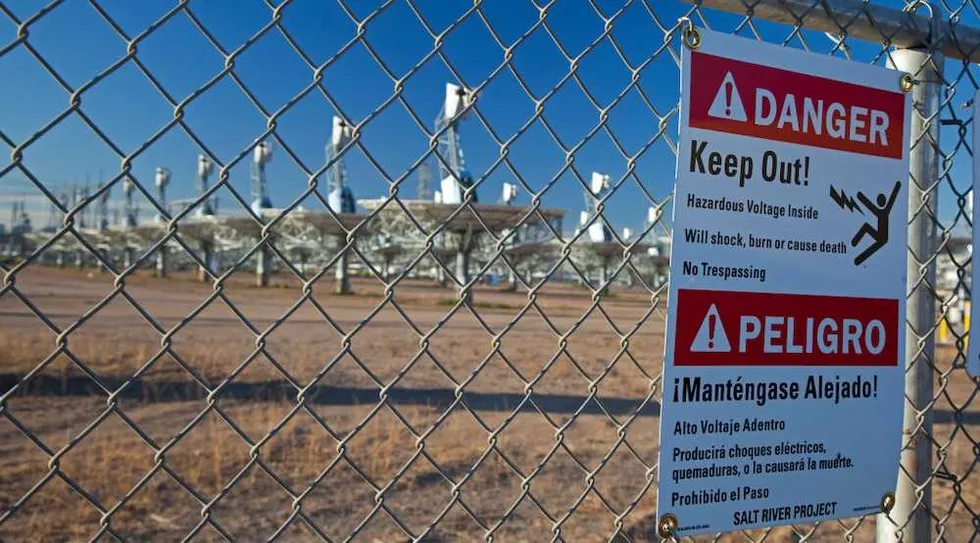
Solar power, for example, has been the fastest-growing source of new U.S. electricity generation for five years running. In 2025, the United States added 43 gigawatts of new solar capacity, enough to power over 32 million homes. Where permitting and regulatory barriers needlessly delay viable projects, Washington should remove them.
RELATED: Water, watts, and workers: 3 persistent myths about AI and data centers
 Jim West/UCG/Universal Images Group/Getty Images
The same urgency should apply to critical minerals. The United States has spent years allowing dependence on foreign supply chains to deepen even as minerals became indispensable to batteries, electronics, defense systems, and energy infrastructure. Domestic mining and processing cannot expand at the speed national security demands if projects spend years trapped in permitting and regulatory limbo.
This is not an argument for replacing traditional energy with newer technologies. It is an argument for abundance. Oil and gas remain essential. Nuclear power can provide large amounts of reliable electricity. Solar and storage can add capacity quickly in the right places. Critical minerals underpin all of them. The strategic question is not which source wins an ideological contest. It is whether America can produce enough energy, reliably and affordably, to meet the demands ahead.
China is already acting on that logic. The United States should do the same. The next phase of economic and military competition will be shaped not only by who invents the best technology, but by who can build the plants, mines, transmission, data centers, and generation needed to deploy it at scale.
The Energy Department’s announcement is a good start. Now we need to make abundance the policy: build more, permit faster, secure domestic supply chains, and stop treating energy sources as political footballs.
America will need all the reliable energy it can produce, however we can produce it. The country that powers the future will have a much better chance of leading it.
More from this network:
Domains for Sale · GOTPeople.org · TheDSAPlatform · The Truth About Socialism
What's Your Reaction?
 Like
0
Like
0
 Dislike
0
Dislike
0
 Love
0
Love
0
 Funny
0
Funny
0
 Wow
0
Wow
0
 Sad
0
Sad
0
 Angry
0
Angry
0

I am just an average American. My teen years were in the late 70s and I participated in all that that decade offered. Started working young, too young. Then I joined the Army before I graduated High School. I spent 25 years in, mostly in Infantry units. Since then I've worked in information technology positions all at small family owned companies. At this rate I'll never be a tech millionaire. When I was young I rode horses as much as I could. I do believe I should have been a cowboy. I'm getting in the saddle again by taking riding lessons and see where it goes.
Premium domains for sale




















Comments (0)