

Christians Shouldn’t Be Afraid Of Horror
Premium domains for sale
Freedom Is Back In Style
Conservative commentator Allie Beth Stuckey went viral after publishing an episode of her podcast where she claimed Christians cannot engage with anything in the horror genre. But this position is shortsighted. Telling Christians to steer clear of horror overlooks an opportunity to reflect on the nature of evil, confront our own sin, and better understand why we need our Savior.
Freedom Is Back
In Style
Premium domains for sale
“I also just don’t think Christians should be a fan of horror in general,” Stuckey said on her podcast, “Relatable.” “Like, I don’t think you should be reading books that make you scared. I don’t think that you should be listening to true crime podcasts that make you scared. I don’t think you should be listening or watching horror movies that make you scared.”
Stuckey’s now-deleted X post promoting the clip sparked a heated debate about the relationship Christians should have with the controversial genre.
I occupy a unique position in this discussion. I am a Christian, work full-time in the conservative political movement, and am a published horror fiction writer. As an undergraduate, I even took an entire course devoted to studying and writing horror.
Horror was one of my first literary loves, and becoming a Christian only deepened my love for the genre. My new faith gave evil a meaning — and an important one. Yet I have faced criticism for embracing horror in church and beyond. Now, I face it in my industry. And I’m here to defend it.
Art reflects the human soul, including the sinful desires we entertain and the good God does through us. Christians should meditate on what is good, true, and beautiful. But we cannot appreciate the goodness and beauty of our salvation without understanding the very true evil from which Christ saves us.
The Book of Job is the powerful biblical example of how suffering can deepen our faith. Satan questions Job’s devotion because of his easy, horror-free life. God allows the devil to test Job, and Satan causes Job to lose his livelihood, family, and health. This devastation without an easy explanation surely counts as horror literature itself, but it serves a purpose for Job and us as readers. Even when we cannot understand God’s purposes, we must trust that He has one. Furthermore, we must find joy in our suffering as Scripture tells, not for the sake of suffering itself, but for the spiritual maturity it fosters.
Horror literature can prompt similar reflection on our own selfish desires and the nature of evil. Whether it be monsters, violence, or catastrophes, the genre works to expose humanity’s moral failures through the natural consequences of sin or by forcing its characters — and its audience — to reckon with their own shortcomings.
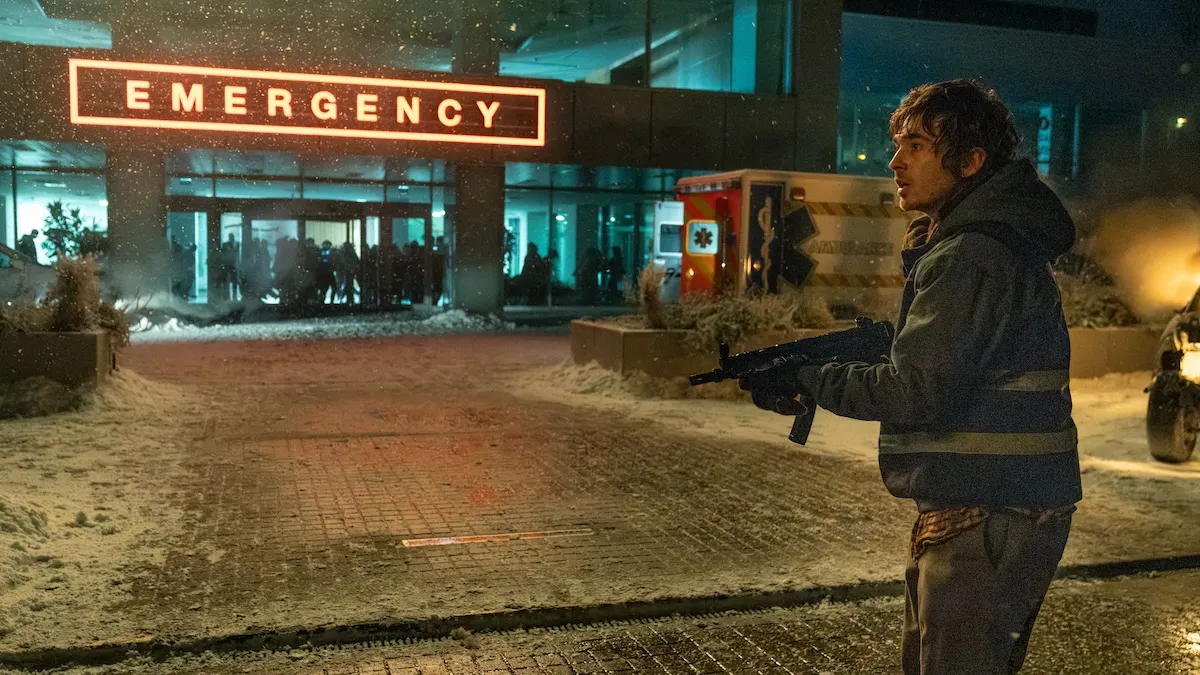
Consider “Resident Evil,” which stoked controversy with its pro-life themes, including the selfishness that motivates men to prioritize their comfort over family. At the beginning of the film, the main character Bryan, played by Austin Abrams, subtly pressures his girlfriend, Michelle, to get an abortion. He feigns virtue when she gets upset, even using the classic “it’s your body, your choice” line as a justification for his lack of commitment. After enduring countless horrors, Bryan leaves Michelle a message on his phone, saying he hates how he responded to her and was letting fear control him. He declares he does want to have a family with her.
The film uses horror to expose the consequences of human fear and selfishness. Confronting the external threats around him forces Bryan to address the horrors within himself.
This is one of horror’s greatest contributions to our culture: It forces us to examine the ways we attempt to defy God in pursuit of our worldly desires. Whether it is reflecting on the moral quandaries of science in Mary Shelley’s “Frankenstein” or the dangers of pagan rituals and lustful entitlement in “Obsession,” each piece invites its audience to evaluate the consequences of humanity unchecked.
Christian authors even wrote many horror stories. The ever-popular “Five Nights at Freddy’s” horror game and movie series created by Christian game designer Scott Cawthon has brought religious imagery and themes to the forefront of the horror game industry through mentions of heaven and sets featuring the cross. “The Exorcist,” written by devout Catholic William Peter Blatty, and “The Conjuring,” written by Christian twins Chad and Carey Hayes, portray characters overcoming demonic evil with their Christian faith.
Even movies not written by Christians often hold religious themes. M. Night Shyamalan’s “Signs,” mentioned by Stuckey herself, depicts a man who leaves his faith amid tragedy, only to realize his faith was the key to overcoming his life’s troubles.
No Christian should be pushing others to commit the evils we see in horror literature, and certainly not every horror story is valuable to the soul. Every art form and genre has its bad apples, and Christians should use discernment in everything they consume, horror or otherwise. But to say horror as a whole encourages despair is to misunderstand how we can approach the genre.
Christians should not need to pretend evil does not exist or avoid addressing it. Scripture warns us of the battle between good and evil, and Christ’s ministry makes little sense if we ignore the sin He saved us from. Becoming consumed by feel-good entertainment can cause us to neglect the uncomfortable nature of human sin and our need for repentance. Evil cannot triumph over God, but our refusal to face it head-on can leave us unprepared to address its impact on our lives.
Horror offers Christians a way to confront this reality through the safety of fiction rather than through firsthand experience. The villainous characters and forces can serve to remind us of the evil we ought to resist, and the heroes can demonstrate the courageous faith necessary to overcome it.
In an entertainment landscape full of sin-glorifying comedies, dramas, and action flicks, horror deserves thoughtful consideration rather than a blanket condemnation. At its best, the genre encourages us not to celebrate evil, but to call it what it is. By confronting the evil in the world and within ourselves, the horror genre can remind us why we need Christ, why we must cling to Him in our suffering, and why we need redemption in the first place.
***
Olivia D’Angelo is a Christian and published horror fiction and poetry writer. She holds a bachelor’s degree in creative writing from the University of North Carolina at Asheville and is a master’s candidate in publishing at George Washington University. Follow her on X: @olivia_dangelo.
This article is part of Upstream, The Daily Wire’s new home for culture and lifestyle. Real human insight and human stories — from our featured writers to you.
More from this network:
Domains for Sale · GOTPeople.org · TheDSAPlatform · The Truth About Socialism
What's Your Reaction?
 Like
0
 Dislike
0
 Love
0
 Funny
0
 Wow
0
 Sad
0
 Angry
0

I am just an average American. My teen years were in the late 70s and I participated in all that that decade offered. Started working young, too young. Then I joined the Army before I graduated High School. I spent 25 years in, mostly in Infantry units. Since then I've worked in information technology positions all at small family owned companies. At this rate I'll never be a tech millionaire. When I was young I rode horses as much as I could. I do believe I should have been a cowboy. I'm getting in the saddle again by taking riding lessons and see where it goes.
Premium domains for sale











Comments (0)