

DEI Comes Back to Bite Democrat Shri Thanedar
Premium domains for sale
Freedom Is Back In Style
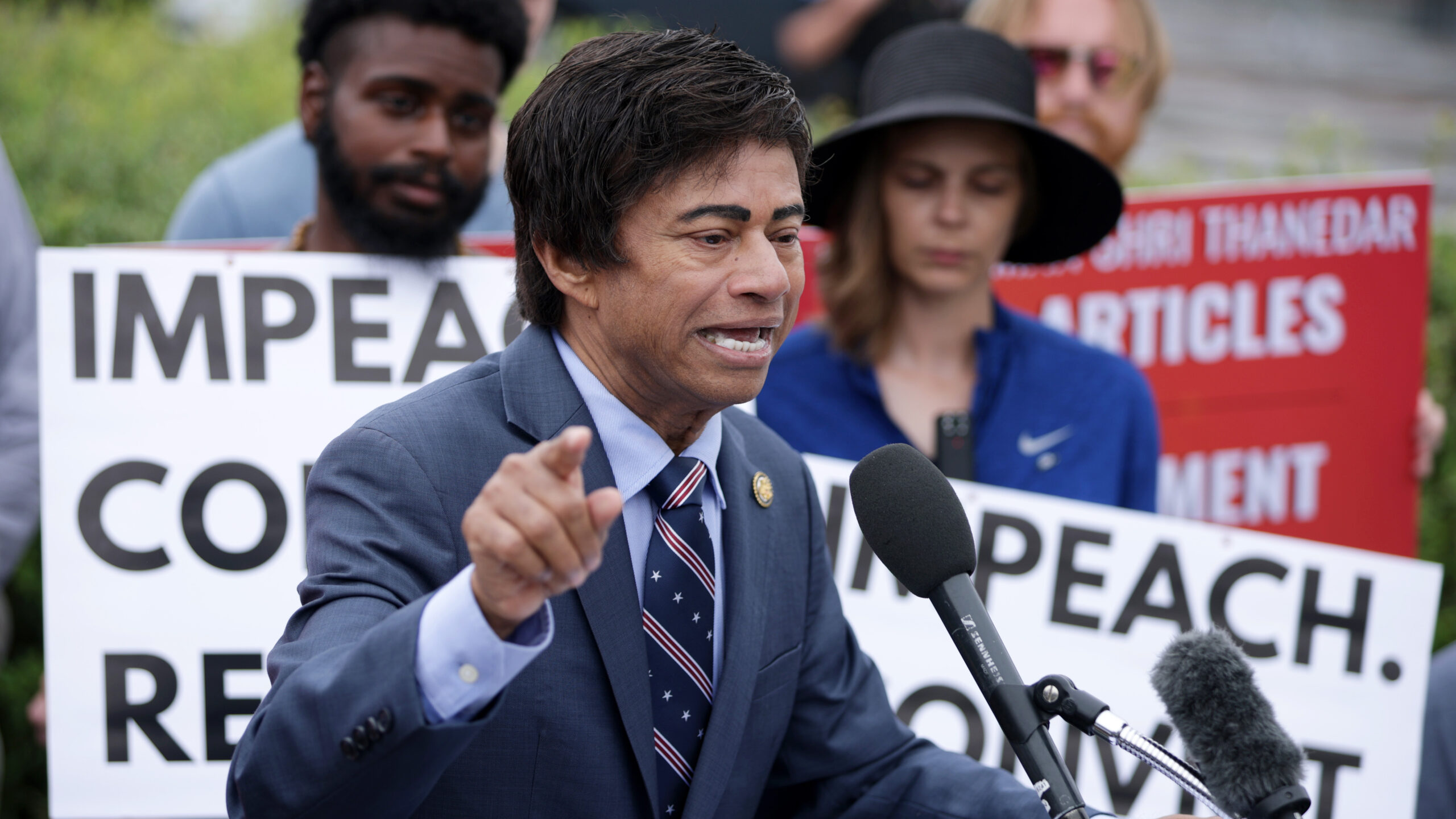
Rep. Shri Thanedar, D-Mich., says he is devoted to addressing “systemic inequities” that affect “marginalized communities” like black Americans. Black Americans, however, just sent Thanedar packing.
Freedom Is Back
In Style
Premium domains for sale
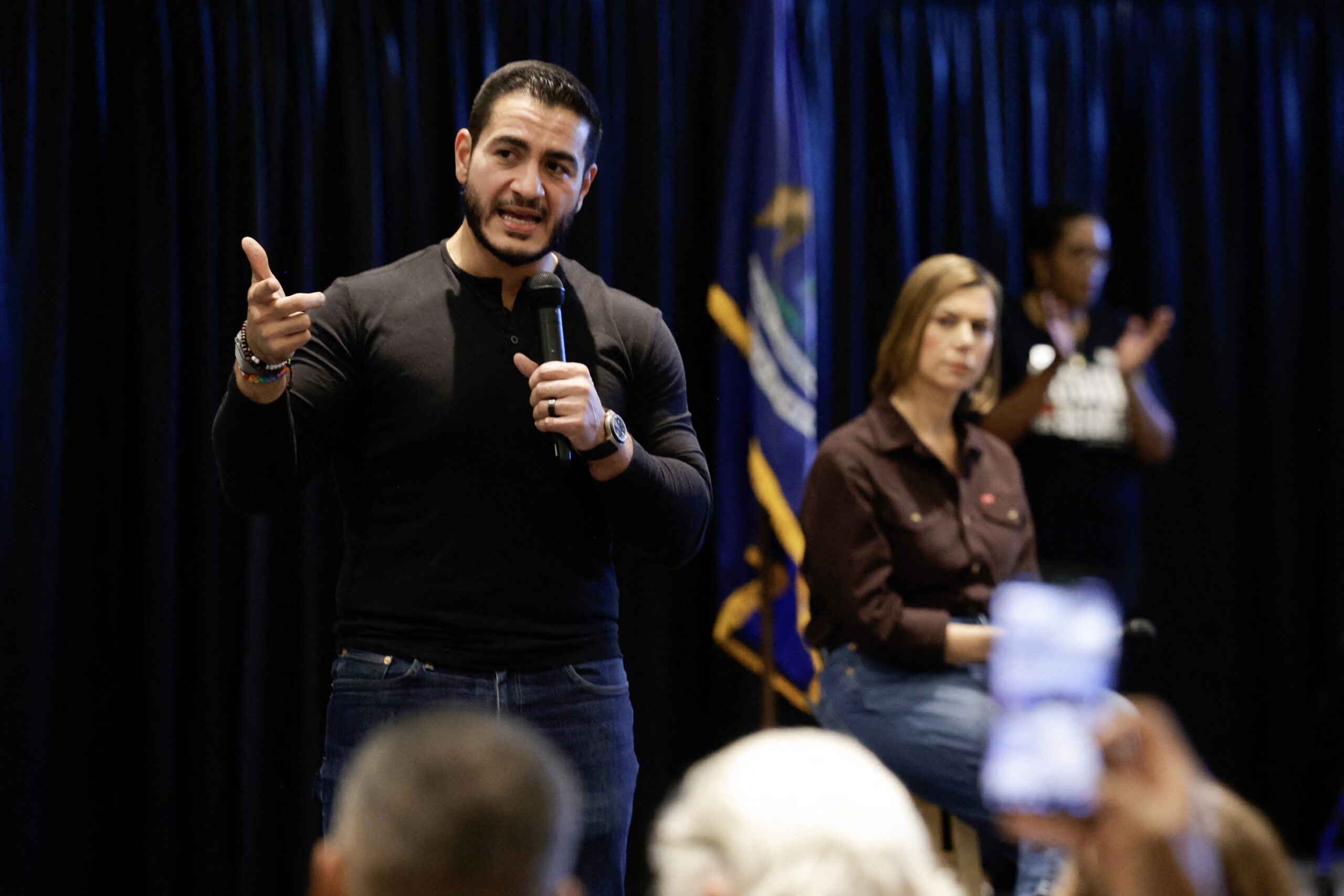
Michigan’s 13th district includes portions of Detroit in Wayne county. The county has a 37.6% black population — the highest percentage of black residents of any county in the state, according to the United States Census Bureau. And in Tuesday night’s election, Democrat voters chose a black candidate to replace Thanedar on the ballot in November.
In his victory remarks, Democrat Donovan McKinney made sure people knew he, unlike Thanedar, represented the racial profile of the 13th district.
“This is about all of you guys, because the mighty 13th district, a lot of folks don’t know, this is a very diverse district,” McKinney said. “But it encompasses the blackest major city in all of America, the city of Detroit. And we cannot forget what Detroit means not only to our city and our state, but to the world.”
The great irony is that this is exactly the kind of politics Thanedar tried to prop up while in Washington. Thanedar’s website notes that he co-sponsored the Commission to Study and Develop Reparation Proposals for African Americans Act, as well as a House Resolution stating that America must provide reparation for the effects of slavery on the lives of “millions of Black people in the United States.”
In the age of identity politics, supporting and being are two different things.
Several black Democrats have attempted to primary Thanedar in the last two elections, but Thanedar managed to survive these challenges because those candidates would split the black vote. This is the first time Thanedar has run head-to-head with a black candidate—and he couldn’t hold the seat.
One reason that Thanedar faced a one-on-one matchup with a black candidate in the primary is due to the continued fallout of the Supreme Court’s decision in Louisiana v. Callais.
After Louisiana v. Callais, a Supreme Court ruling that determined congressional districts by race were “unconstitutional racial gerrymandering,” members of the Congressional Black Caucus were worried that black candidates would be increasingly iced out of Congress.
But the CBC, a group of black representatives in Congress, pledged that they wouldn’t let that happen.
“The CBC is willing to take any measure necessary to bring a legislative solution to the floor to protect Black voters around the country from this extremist effort to diminish Black voices and access to fair representation,” a statement from the CBC said.
Michigan’s 13th district was the perfect target for the CBC because it has a large black population without any “racial gerrymandering.” McKinney received endorsements from a large number of members of the CBC, whereas Thanedar was only backed by two caucus members.
In previous matchups, Thanedar has been forced to address the tension between his support for identity politics while not being black himself. When BridgeDetroit interviewed Thanedar after he won the primary in 2022, he said, “I do believe that there should be proper proportional representation, not just in Congress but in the Senate and all walks of life, including corporate CEOs and every area.” While admitting that black representation is important, he also noted that “race should not be a factor” in electing a representative.
Race, however, seemed to be a deciding factor in Thanedar’s primary loss Tuesday night.
More from this network:
Domains for Sale · GOTPeople.org · TheDSAPlatform · The Truth About Socialism
What's Your Reaction?
 Like
0
Like
0
 Dislike
0
Dislike
0
 Love
0
Love
0
 Funny
0
Funny
0
 Wow
0
Wow
0
 Sad
0
Sad
0
 Angry
0
Angry
0

I am just an average American. My teen years were in the late 70s and I participated in all that that decade offered. Started working young, too young. Then I joined the Army before I graduated High School. I spent 25 years in, mostly in Infantry units. Since then I've worked in information technology positions all at small family owned companies. At this rate I'll never be a tech millionaire. When I was young I rode horses as much as I could. I do believe I should have been a cowboy. I'm getting in the saddle again by taking riding lessons and see where it goes.
Premium domains for sale










Comments (0)