

DOJ Backs Down on 20,000 Disputed California Voters, but the Legal War Isn’t Over
Premium domains for sale
Freedom Is Back In Style
Summary
Freedom Is Back
In Style
Premium domains for sale
- The DOJ dropped its lawsuit involving 20,000 suspected noncitizen voters after the election had taken place.
- A separate DOJ lawsuit seeking access to California’s voter registration records remains ongoing.
- The legal fight continues after California voters rejected Proposition 39’s voter ID requirements.
While Democrats celebrate the Department of Justice’s decision last Friday to drop its lawsuit involving suspected noncitizen voters in California, another lawsuit remains ongoing, keeping the legal battle over election security in the Golden State far from over.
One day before the election, the Supreme Court rejected the DOJ’s emergency appeal seeking to require California to separate ballots associated with approximately 20,000 suspected noncitizens identified on a DOJ-provided list from other ballots.
On Friday, the DOJ announced it was dropping its lawsuit seeking to segregate the disputed ballots because the election had already taken place and the ballots could no longer be separated.
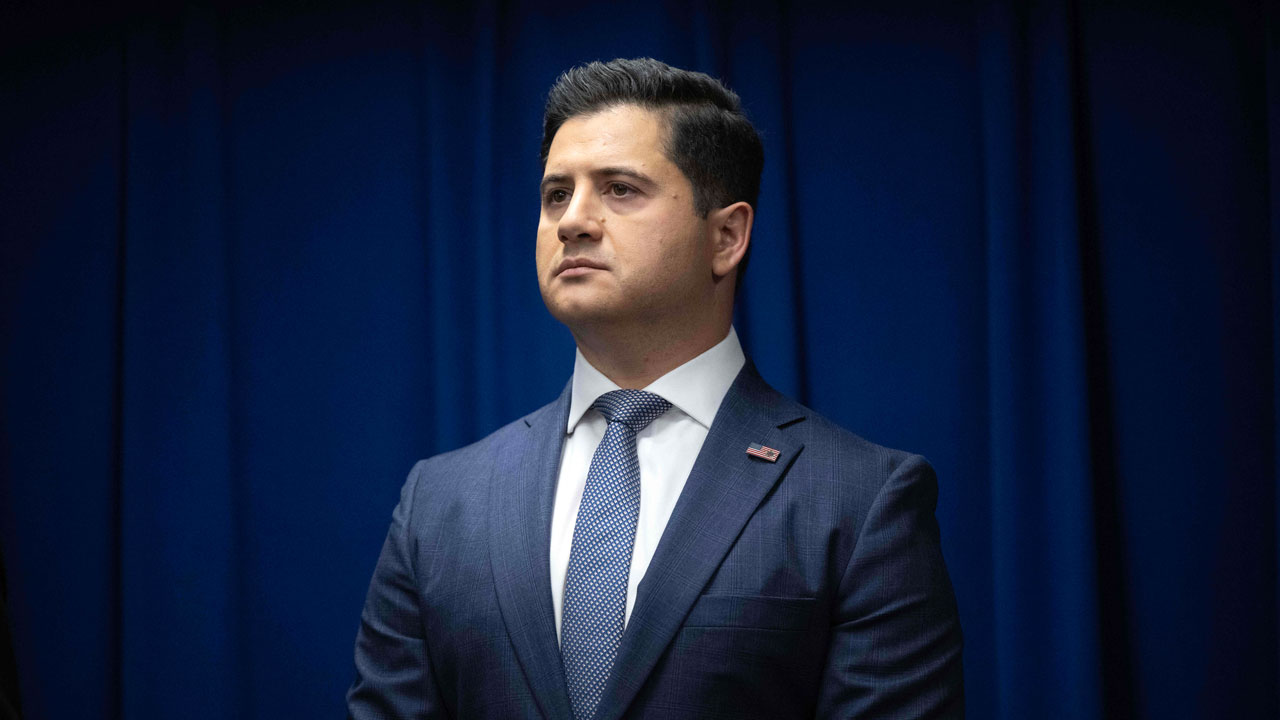
First Assistant U.S. Attorney Bill Essayli explained the decision on X, saying he would “pursue every civil and criminal remedy to ensure only eligible American citizens vote.”
California Attorney General Rob Bonta called the lawsuit an “unlawful effort to interfere with California’s elections and disenfranchise eligible voters.”
However, the DOJ’s legal fight with California isn’t over. The department is continuing a separate lawsuit seeking access to the state’s voter registration records.
United States v. Weber, filed in September 2025, seeks to require California to turn over its statewide voter registration database so the DOJ can determine whether the state is properly maintaining its voter rolls, including keeping noncitizens off them.
California Secretary of State Shirley Weber has refused to turn over the records, arguing that doing so would violate state laws protecting voters’ private information.
The case was dismissed in January 2026, but the DOJ appealed the ruling in February, and the case remains before the 9th U.S. Circuit Court of Appeals.
The ongoing legal battle comes as California voters rejected Proposition 39, a ballot measure that would have required identification to vote in person and additional identifying information when voting by mail.
As of Nov. 5, Decision Desk HQ projected the proposition would fail, with approximately 39% voting in favor of voter ID and 60% voting against.
More from this network:
Domains for Sale · GOTPeople.org · TheDSAPlatform · The Truth About Socialism
What's Your Reaction?
 Like
0
 Dislike
0
 Love
0
 Funny
0
 Wow
0
 Sad
0
 Angry
0

I am just an average American. My teen years were in the late 70s and I participated in all that that decade offered. Started working young, too young. Then I joined the Army before I graduated High School. I spent 25 years in, mostly in Infantry units. Since then I've worked in information technology positions all at small family owned companies. At this rate I'll never be a tech millionaire. When I was young I rode horses as much as I could. I do believe I should have been a cowboy. I'm getting in the saddle again by taking riding lessons and see where it goes.
Premium domains for sale

















Comments (0)