

From the Golden State to the socialist state
Premium domains for sale
Freedom Is Back In Style
On November 3, California voters will find 37 candidates for local office on their ballots endorsed by the Democratic Socialists of America. That’s more than half of the 69 DSA-endorsed local candidates nationwide, according to Ballotpedia. Minnesota, the distant runner-up, has six.
Freedom Is Back
In Style
Premium domains for sale
California, it seems, has become fertile ground for politicians promising to cure the failures of big government with still more government.
Californians have paid for big promises long enough. Before funding the next experiment, they should demand the receipts.
This is quite a reversal for the once Golden State. The Gold Rush, the transcontinental railroad, agriculture, manufacturing, and Silicon Valley transformed California into a magnet for Americans who wanted to build businesses and fortunes. Opportunity was its calling card.
Today, millions of Californians find it increasingly difficult even to afford the place.
The socialist candidates did not create all these problems. California's governing establishment spent decades laying the groundwork. Nor is every progressive regulation a socialist policy; California remains a powerhouse of private enterprise. But that only sharpens the question facing the newcomers: Why should voters trust a more expansive government to repair what government has helped break?
Consider housing. According to the Public Policy Institute of California, the typical home was worth roughly $776,000 in the first seven months of 2026. The national figure was $372,000. California has under-built for decades, leaving a housing shortage that estimates put at more than 1 million units.
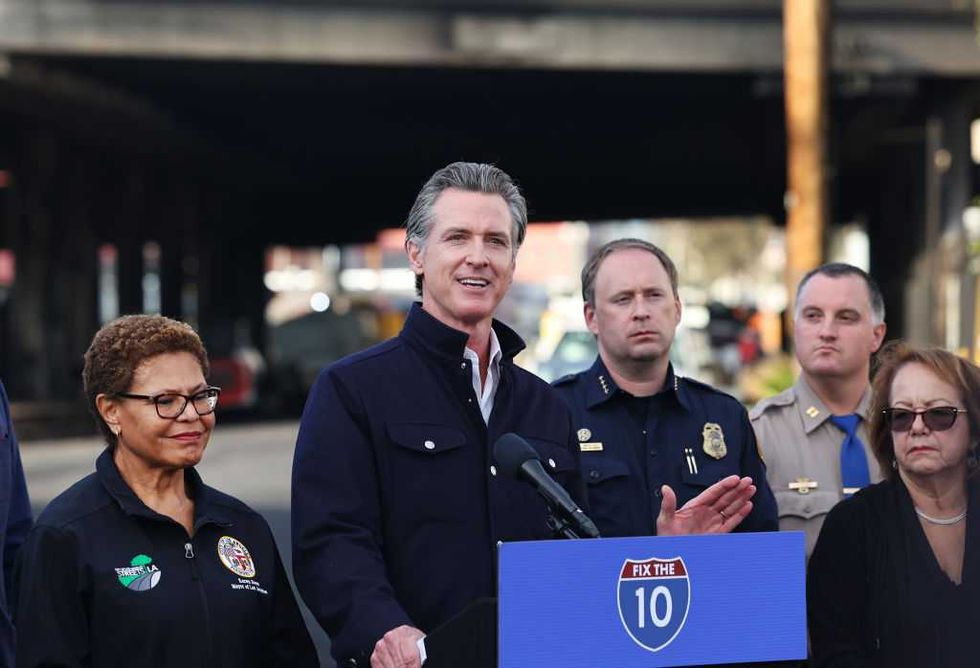
Land and construction costs are high, and people still want to live in California. Those realities do not absolve lawmakers who imposed layers of local restrictions and cumbersome approval procedures. The obstacles became so obvious that Gov. Gavin Newsom (D) signed legislation in 2025 to streamline environmental reviews and speed construction. Sacramento finally acknowledged that its rules had become part of the problem.
A state that spends years making homes harder to build should not act astonished when workers cannot afford them.
Then there is electricity. In July, California's average residential price reached 33.6 cents per kilowatt-hour, compared with 18.3 cents nationally, according to federal energy data. Families do not experience those figures as an abstract dispute over climate policy. They experience them when the utility bill arrives.
The nonpartisan Legislative Analyst's Office identified greenhouse-gas policies as one contributor to California's soaring rates. Wildfire costs and the utilities' operating structures also play a role. The explanation is complicated; the price is unmistakable. Politicians pursuing ambitious mandates owe residents an honest accounting of what those mandates cost.
And what has California received for its vast spending on homelessness?
RELATED: Gavin Newsom makes damning admission about socialist takeover on undercover camera
 JP Yim/Getty Images for Clinton Global Initiative
The state allocated nearly $24 billion for homelessness and housing programs during the five fiscal years ending in 2022-23. Yet in 2024, the state auditor reported that California lacked enough outcome data to assess the cost-effectiveness of three of the five programs examined. Two appeared cost-effective. The other three could not be properly judged because officials had failed to collect sufficient information.
That is not proof that every dollar was wasted. It is an indictment of a government that spends billions before establishing whether key programs deliver results. Taxpayers are entitled to more than another appropriation and another promise.
Yet California’s budget offers no reassurance. The Legislative Analyst’s Office projects roughly $29 billion in outstanding budgetary borrowing by the end of the 2026-27 fiscal year. It also identifies a structural imbalance: The enacted budget is balanced, but ongoing expenses exceed ongoing revenues.
California is not bankrupt — yet. Its economy remains enormous and productive. Indeed, that makes the recurring fiscal trouble harder to excuse. A state blessed with extraordinary wealth should be able to account for its spending and live within its means.
Now consider what some of the socialists propose. On Election Day, voters will decide Proposition 40, which would impose a one-time 5% tax on the wealth of billionaires who were California residents on January 1. Naturally, the DSA supports it. Most of the proceeds would go toward health care, with smaller shares for education and food assistance.
RELATED: California says ‘trust us’ on voter eligibility. Why?
 John Tully/Getty Images
Supporters say the money would help protect health care from largely overhyped federal funding cuts. The state projects the tax could raise tens of billions of dollars. But a one-time windfall is no cure for permanent spending commitments. California's Legislative Analyst warns that wealthy taxpayers could respond in ways that reduce future income-tax revenue. Once the windfall is spent, what comes next?
This is the argument socialists should have to confront. California already taxes heavily, regulates extensively, and devotes staggering sums to public programs. Yet housing is scarce, electricity is expensive, homelessness persists, and Sacramento borrows against tomorrow to meet today's obligations. Expanding the government’s reach without repairing its failures offers no guarantee of better results.
Many Californians recognize this. There are also plenty who may conclude that the existing political establishment has failed them so badly that an avowed socialist deserves a chance. Their frustration is understandable if misplaced.
California once drew the ambitious from across America with a promise that hard work could pay off. Before voters give Sacramento and city halls still more power, they should demand evidence that the power already granted has been used wisely.
Californians have paid for big promises long enough. Before funding the next experiment, they should demand the receipts.
More from this network:
Domains for Sale · GOTPeople.org · TheDSAPlatform · The Truth About Socialism
What's Your Reaction?
 Like
0
 Dislike
0
 Love
0
 Funny
0
 Wow
0
 Sad
0
 Angry
0

I am just an average American. My teen years were in the late 70s and I participated in all that that decade offered. Started working young, too young. Then I joined the Army before I graduated High School. I spent 25 years in, mostly in Infantry units. Since then I've worked in information technology positions all at small family owned companies. At this rate I'll never be a tech millionaire. When I was young I rode horses as much as I could. I do believe I should have been a cowboy. I'm getting in the saddle again by taking riding lessons and see where it goes.
Premium domains for sale


















Comments (0)