

Here’s What The WNBA Can Learn From The LPGA In Choosing Its Next Commissioner
Premium domains for sale
Freedom Is Back In Style
This article was written by Karen Crouse and published on Sport & State, a new media company founded by Clay Travis that is built around sports, culture, original voices, and live conversation.
Freedom Is Back
In Style
Premium domains for sale
* * * * *
WANTED – An enterprising and energetic go-getter with a persuasive and positive communication style to lead a professional women’s sports organization that is at an inflection point. Must be conversant in basketball. A background in marketing, law or entertainment is a plus. Qualified candidates should contact Adam Silver at NBA headquarters.
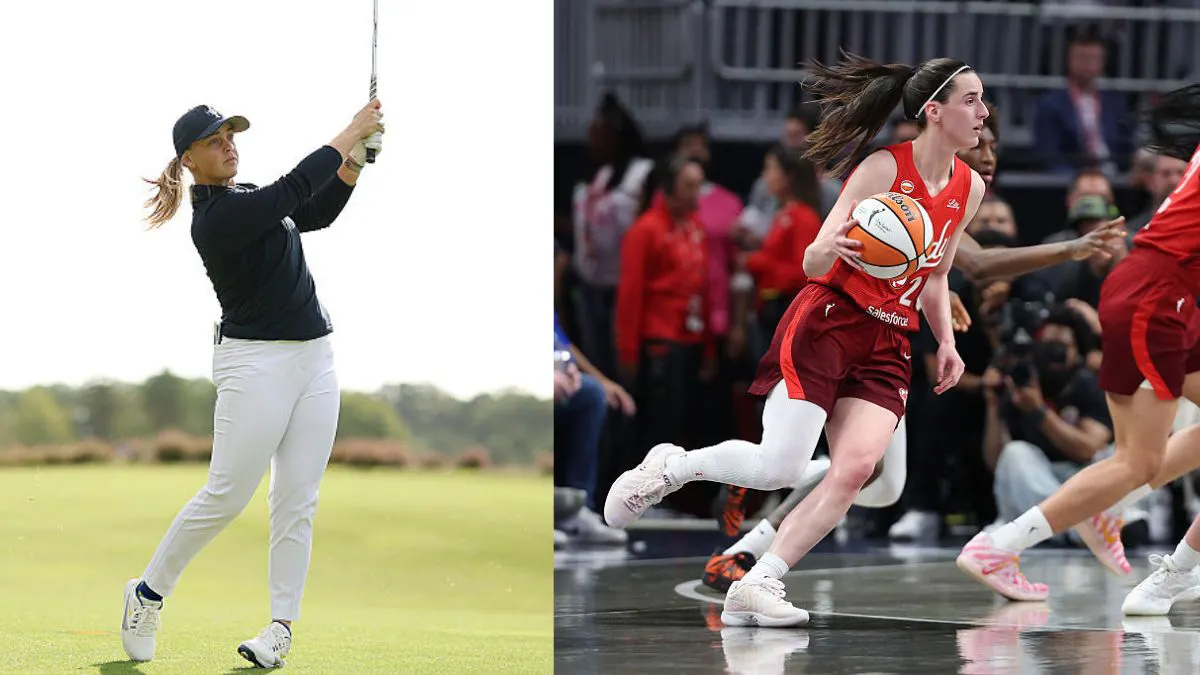
If it seems like a tall order to fill, WNBA fans take heart. Another long-standing women’s sports organization embarked upon its search for a visionary 17 years ago and made an inspired choice that set it on an ascendant arc for the next decade.
The LPGA’s hiring in 2009 of Mike Whan, who had been a marketing executive for equipment in golf and hockey, with no experience working for a professional sports league, was an outside-the-box move that paid off handsomely. Whan was a consensus builder who succeeded a woman whose failures in leadership proved factious.
Whan was able to turn an organization that, as he told ESPN in 2015, “spent way too much time thinking about us,” into a culture that understood the best outcomes for players individually were achieved through a collective focus outward, on their sponsors and fans and media partners.
The WNBA is in sore need of someone like that to replace Cathy Engelbert, who announced last week that she’s stepping down as the WNBA commissioner at the end of the year. While the league realized the two main goals she laid out at the start of her seven-year tenure — expansion and financial growth that resulted in the first seven-figure player salaries and huge gains in franchise valuations — her legacy is mixed. Engelbert never really won the trust of the players, and she will be remembered for her failure to meaningfully address racial disharmony within her ranks or answer the question of how the league defines a woman.
If the WNBA wants to continue the momentum supercharged by the 2024 arrival in the league of Caitlin Clark and Angel Reese and the revelatory rookie debut this season of the Minnesota Lynx’s Olivia Miles, its next CEO must be the grownup in the room, someone willing to be their best boss and not their best buddy.
As holds true for the LPGA, the greatest asset of the WNBA — its diversity and inclusion and global representation — can also be its biggest stressor. Would Engelbert have struggled in 2026 to define who is eligible to play in the preeminent women’s basketball
professional league if she hadn’t offered her full-throated support in 2021 of Layshia Clarendon as Clarendon underwent various treatments to transition to a man while playing for the New York Liberty?
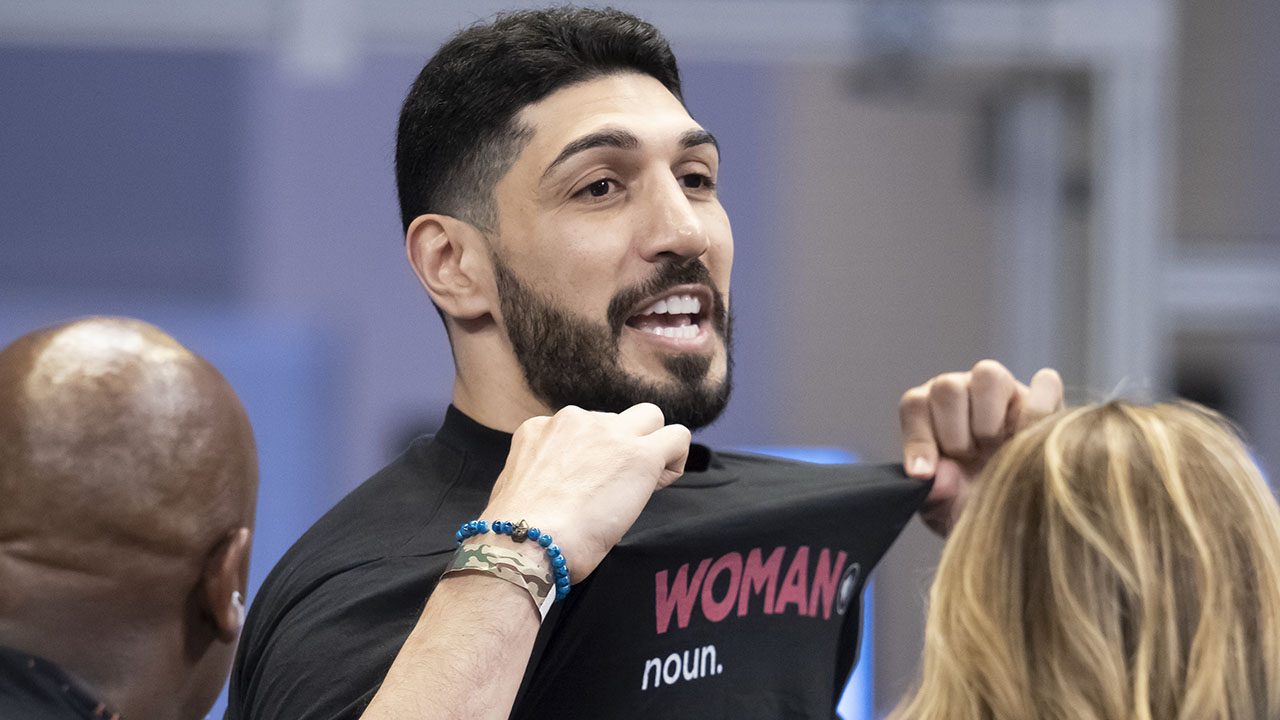
Cheering the active presence in the league of a player who identifies as a man created unintended — but not unforeseen — consequences, most notably the former NBA players Enes Kanter Freedom, Larry Sanders and Royce White declaring for the 2027 WNBA Draft. A pragmatist with a long-term vision would have recognized what a self-appointed advocate who couldn’t see past their virtue could not, that the road to eligibility rules hell is paved with good intentions.
Before Engelbert, there was Carolyn Bivens, whose stewardship of the oldest continuing women’s professional sports organization in the United States, the LPGA, was also derailed by her inability to connect with the players or diplomatically respond to unique cultural challenges.
Bivens alienated a burgeoning South Korean contingent in the summer of 2008 when she proposed an English language-proficiency policy, which would have required foreign-born players to be able to speak passable English by the end of their second year on Tour or face possible suspension.
At the time of her pronouncement, 120 players, half the tour’s membership, were from outside the United States, including 45 from South Korea, four of whom finished in the top 11 on the Tour’s year-end money list. Another, Jiyai Shin, a non-LPGA member, won three events, including a major.
When the details of the policy were leaked, the criticism from players, civil rights groups, and lawmakers came fast and furious, causing Bivens to back down and put forth a punishment-free program to be adopted in its place.
But Bivens went a step further in her advocacy, saying she wanted to help assimilate the South Korean players into American culture and emancipate them from what she characterized as overbearing fathers. Forcing the players to learn English by threatening their livelihoods if they did not was a means to that end, she explained.
“The language is part of the control the parents have over their young daughters,” Bivens told me in a 2008 interview. “If they don’t even know survival English, they’re totally dependent on the dad.”
Cheering the absence of parents in the golfing lives of the South Korean players on the Tour created unintended — but not unforeseen — consequences, notably turning a language issue into a referendum on Western vs. Eastern culture.
In July of 2009, Bivens received a letter signed by several prominent players asking for her resignation. The veteran Juli Inkster, summing up the sorry state of affairs, told Golf Digest, “We need you guys to start writing about our golf instead of all this
other crap that’s going on.”
Substitute basketball for golf and the same sentiment, I’m certain, runs rampant right now through the WNBA. The next commissioner can shift the focus away from the culture wars and back to the dynamic brand of basketball that should be the league’s calling card. But only if the league’s next leader is an inspired choice.
More from this network:
Domains for Sale · GOTPeople.org · TheDSAPlatform · The Truth About Socialism
What's Your Reaction?
 Like
0
Like
0
 Dislike
0
Dislike
0
 Love
0
Love
0
 Funny
0
Funny
0
 Wow
0
Wow
0
 Sad
0
Sad
0
 Angry
0
Angry
0

I am just an average American. My teen years were in the late 70s and I participated in all that that decade offered. Started working young, too young. Then I joined the Army before I graduated High School. I spent 25 years in, mostly in Infantry units. Since then I've worked in information technology positions all at small family owned companies. At this rate I'll never be a tech millionaire. When I was young I rode horses as much as I could. I do believe I should have been a cowboy. I'm getting in the saddle again by taking riding lessons and see where it goes.
Premium domains for sale











Comments (0)