

Homelessness Up 20% Under Newsom as Trump Admin Rolls Out ‘Treatment First’ Alternative
Premium domains for sale
Freedom Is Back In Style
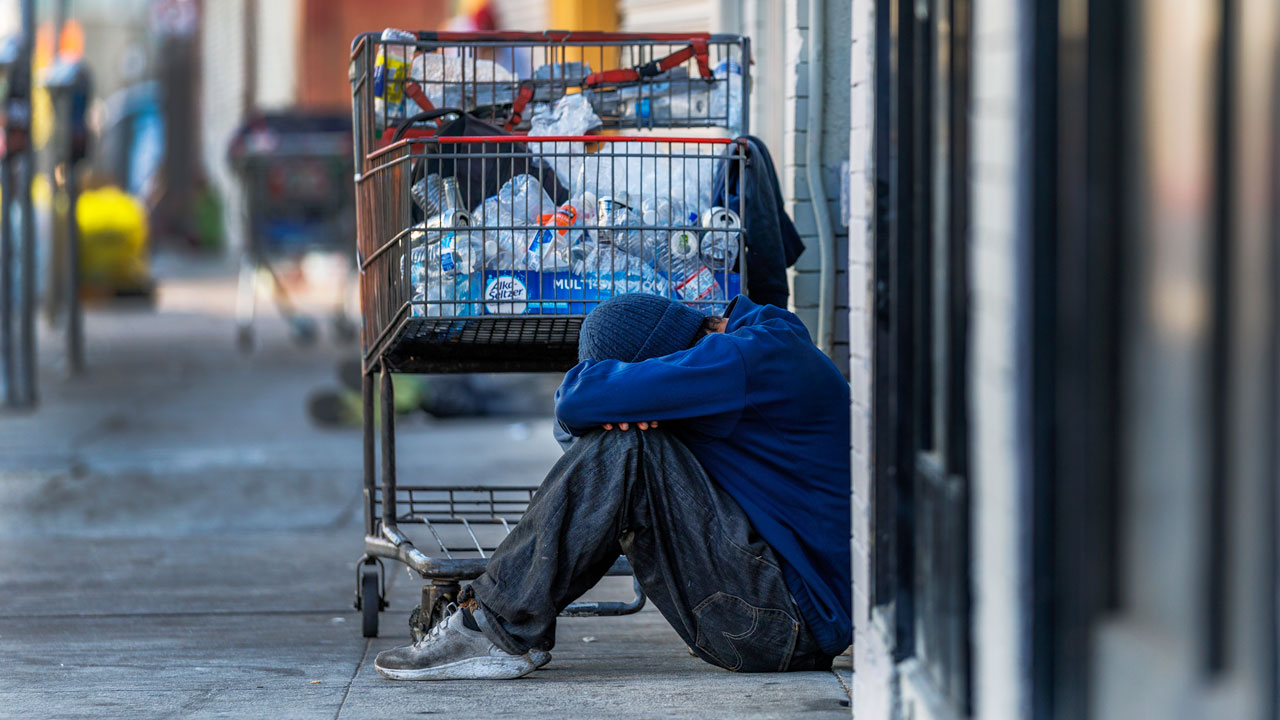
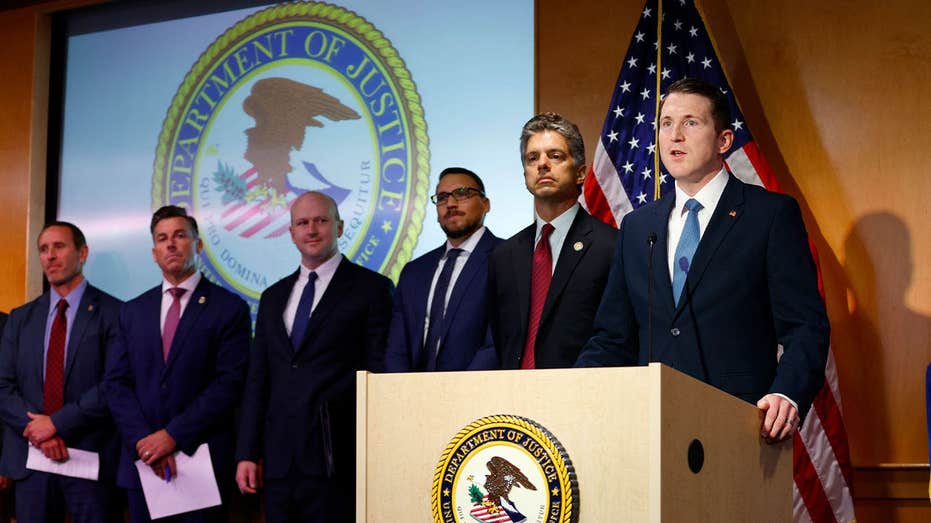
Three federal agencies gathered in San Diego on Wednesday to announce a new “treatment first” approach aimed at addressing California’s long-running homelessness crisis.
Freedom Is Back
In Style
Premium domains for sale
Since 2016, California has followed a “housing first” model after then-Gov. Jerry Brown required state-funded homelessness programs to incorporate its core components. On Wednesday, the U.S. Department of Housing and Urban Development (HUD), the Department of Health and Human Services (HHS), and the Office of National Drug Control Policy (ONDCP) jointly rolled out a different strategy.
HUD Secretary Scott Turner exclusively told the Daily Signal the program pairs treatment with housing to build self-sufficiency among people experiencing homelessness.
“It’s not just treatment. What they’re used to is just housing. This is a totally different mindset. It’s treatment with housing. They have to go together. You can’t just house people and then leave them. That’s how you create a homeless industrial complex,” Turner said. “People literally getting placed inside of houses that are addicted to drugs and dying in that house because of housing first.”
“We are literally this continuum of care. It’s all in the name. You house them. You continue to treat them. You get them transformed, and then you get them to a life of self-sufficiency,” Turner added. “Again, there’s going to be pushback because people don’t want change. People don’t want transformation. People want the status quo.”
The administration describes the new approach as a first-of-its-kind toolkit that offers communities “practical and proven strategies to help Americans transition from homelessness and addiction to recovery and self-sufficiency.”
According to the toolkit, about 75% of homeless people struggle with addiction and an estimated 78% face mental illness. The framework outlines a seven-step process that includes street-level engagement, recovery-oriented housing, partnerships with faith-based and community organizations, and special attention to families and children.
The goal is for street outreach to move people into recovery programs, then through structured housing, employment, and independence, with clear accountability for results. The toolkit cites organizations already using similar methods, including Haven for Hope, Helping Up Mission, and The Mission at Kern County.
Haven for Hope published a 15-year review showing that 65% of people needed only one stay. Among those single-stay clients, more than 90% did not return to homelessness at the one-, five-, and 10-year marks. Housing retention after exit was roughly 92% to 94% still housed at 12 months.
In California, The Mission at Kern County reported placing 216 people into permanent housing in 2025 and celebrating 32 program graduates. In one job-training cohort with local partners, 90% of graduates received a job offer within 30 days and 82% remained employed later.
When asked what success would look like, Turner told the Daily Signal it would involve “public-private partnerships, faith-based entities coming together, private people coming together to attack homelessness by treatment, not just housing them.”
“One at a time, one woman, one man, one family at a time. Get them off the streets. Treat their mental illness, drug addiction, domestic violence, prostitution, sex trafficking, whatever it may be,” Turner said. “Hit those head-on with industry experts, practitioners, the best of the best around the country, who are willing and able to do this. That’s who created our toolkit, along with HHS, us, and ONDCP.”
“The more people that you get healed and transformed out of mental illness, out of drug addiction, and to a life of self-sustainability, as you heard from the testimonies here today, it is possible,” Turner added. “There are many out here who have gone through treatment, housing, transformation, and now living their lives, getting their families back. That’s success. That’s what we’re after. Every waking moment that God gives us, that’s what we want to do.”
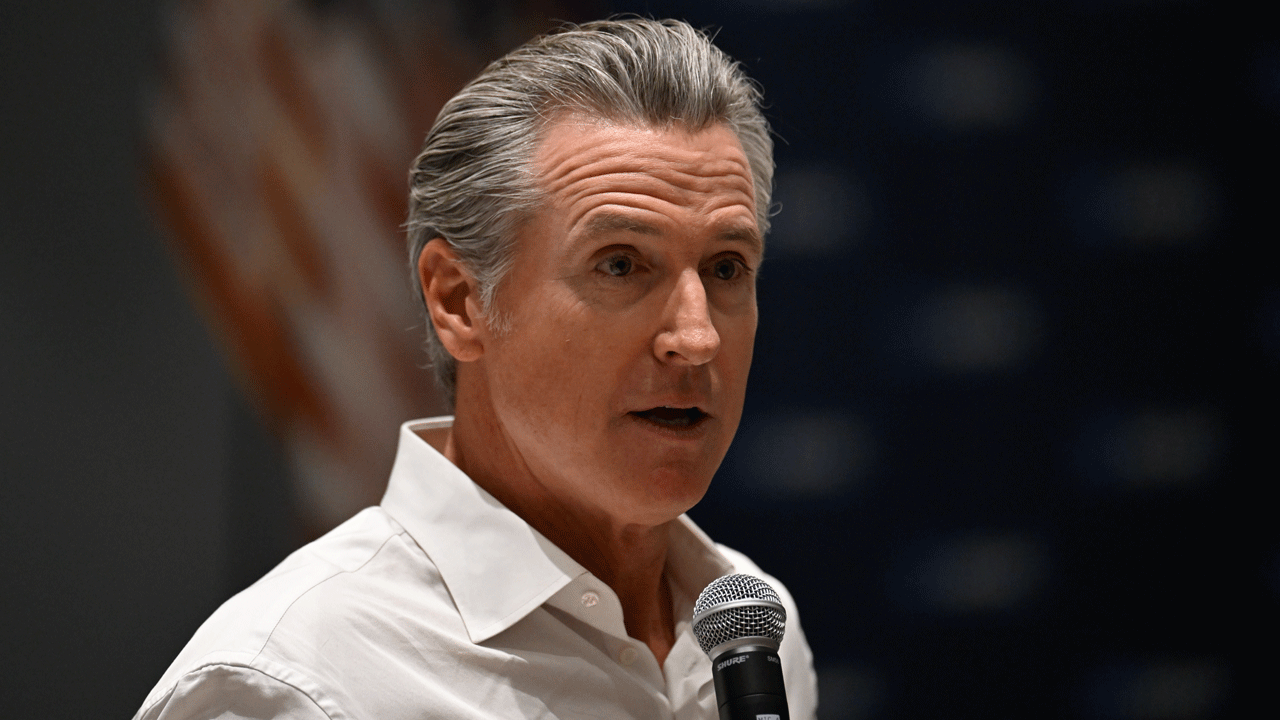
Under Democrat Gov. Gavin Newsom, the state has heavily promoted the housing first approach and spent an estimated $37 billion on housing and homelessness-related programs since the 2019-20 fiscal year, according to the California Legislative Analyst’s Office. The total includes major programs such as HHAP, Homekey, and Encampment Resolution Funding.
During the announcement, Turner told the Daily Signal he had not heard from the Newsom administration when asked about pushback as the announcement has just been rolled out.
“I’m not worried about pushback. Now I’m pushing back with policies. So no, I haven’t talked to them yet. But I don’t need to talk to them. What I need to do is get the right people at the table, the right partners at the table that want to be here to bring transformation, that want to help our most vulnerable people in our country as it pertains to homelessness,” Turner said.
“So if Gov. Newsom, if Mayor [Karen] Bass, if they want to come to the table and talk about transformation, if they want to talk about treatment first and not housing first, I would welcome them,” Turner continued. “Them and anyone else that wants to join and do the right thing.”
A spokesperson for Newsom told the Daily Signal the administration’s work since 2019 has produced the “largest drop in unsheltered homelessness in 16 years,” citing “the Trump administration’s own data.”
“California’s work since 2019 to address homelessness and address a mental health crisis created under former Gov. Ronald Reagan has resulted in the largest drop in unsheltered homelessness in 16 years,” spokesperson Tara Gallegos stated.
Despite Newsom previously citing a 9% decrease in unsheltered homelessness between 2024 and 2025, HUD’s full report released in July showed the actual decline was about 6.8%. Compared with when Newsom took office in 2019, unsheltered homelessness has risen roughly 6.8%, from 108,432 to 115,583 by 2025.
Overall homelessness in the state has increased about 20% during his tenure, climbing from 151,278 in 2019 to 181,934 in 2025, according to HUD Point-in-Time counts.
More from this network:
Domains for Sale · GOTPeople.org · TheDSAPlatform · The Truth About Socialism
What's Your Reaction?
 Like
0
Like
0
 Dislike
0
Dislike
0
 Love
0
Love
0
 Funny
0
Funny
0
 Wow
0
Wow
0
 Sad
0
Sad
0
 Angry
0
Angry
0

I am just an average American. My teen years were in the late 70s and I participated in all that that decade offered. Started working young, too young. Then I joined the Army before I graduated High School. I spent 25 years in, mostly in Infantry units. Since then I've worked in information technology positions all at small family owned companies. At this rate I'll never be a tech millionaire. When I was young I rode horses as much as I could. I do believe I should have been a cowboy. I'm getting in the saddle again by taking riding lessons and see where it goes.
Premium domains for sale


















Comments (0)