

Legal Earthquake in Virginia Shakes Democrats at Highest Levels
Premium domains for sale
Freedom Is Back In Style
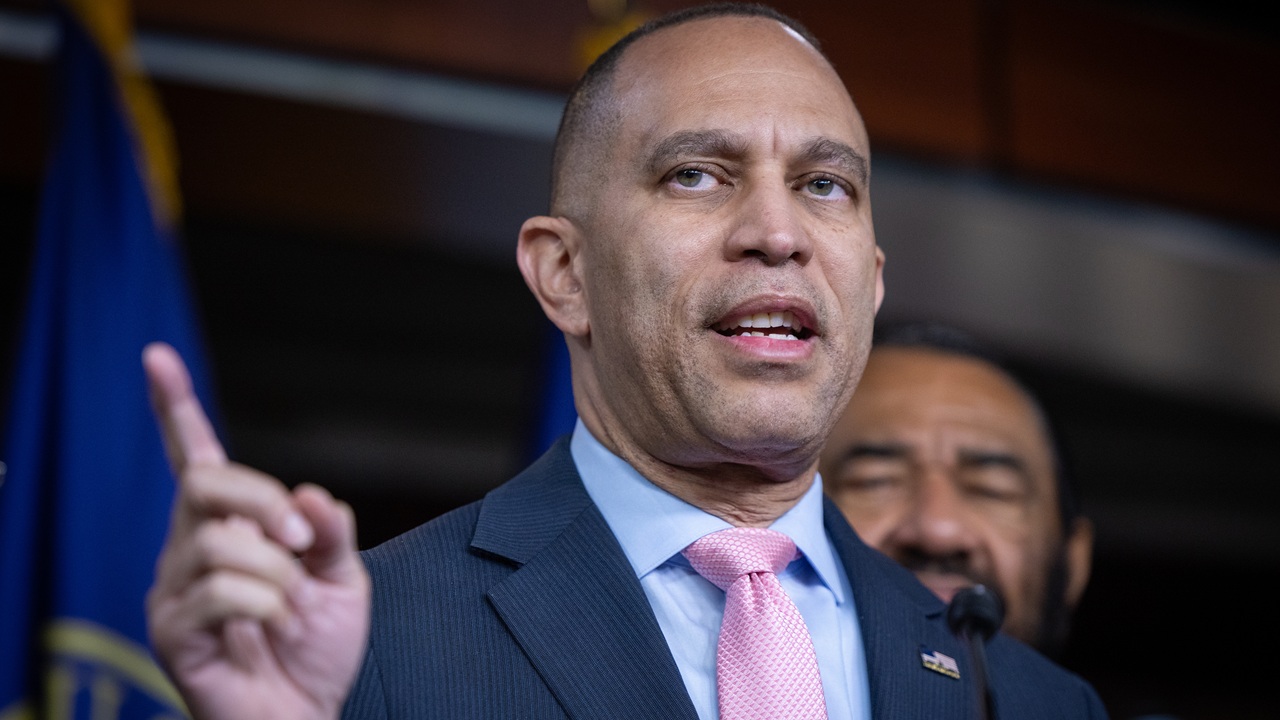
An earthquake occurred yesterday in the Commonwealth of Virginia that was felt at the highest levels of power in the U.S. House of Representatives, particularly shaking the minority leader of the House of Representatives Hakeem Jeffries. On Friday, the Virginia Supreme Court rejected the unconstitutional push by the Democratic majority in the Virginia General Assembly.
Freedom Is Back
In Style
Premium domains for sale
The Virginia high court voided the proposed constitutional amendment and “temporary” partisan gerrymandering by Democrats that would break up the current congressional district map from its current representation of six Democratic and five Republican congressional seats to 10 Democratic and one Republican to represent the Commonwealth of Virginia in the U.S. House.
The Virginia Supreme Court ruled that “the legislative process employed to advance the proposal” violated the state constitution and the integrity of the referendum vote, which “incurably taints” the referendum. As a result, the Virginia Supreme Court directed that the district maps issued by the court in 2021 after partisan deadlock for the upcoming congressional elections until 2030.
The author of the opinion, Justice D. Arthur Kelsey, noted that “under the proposed new map approximately 47% of Virginians that voted for representatives of one of the major political parties in the last congressional election would now be represented by 9% of Virginia’s delegation to the U.S. House of Representatives — while the approximately 51% of Virginians that voted for the other major political party would now be represented by 91% of Virginia’s congressional delegation.”
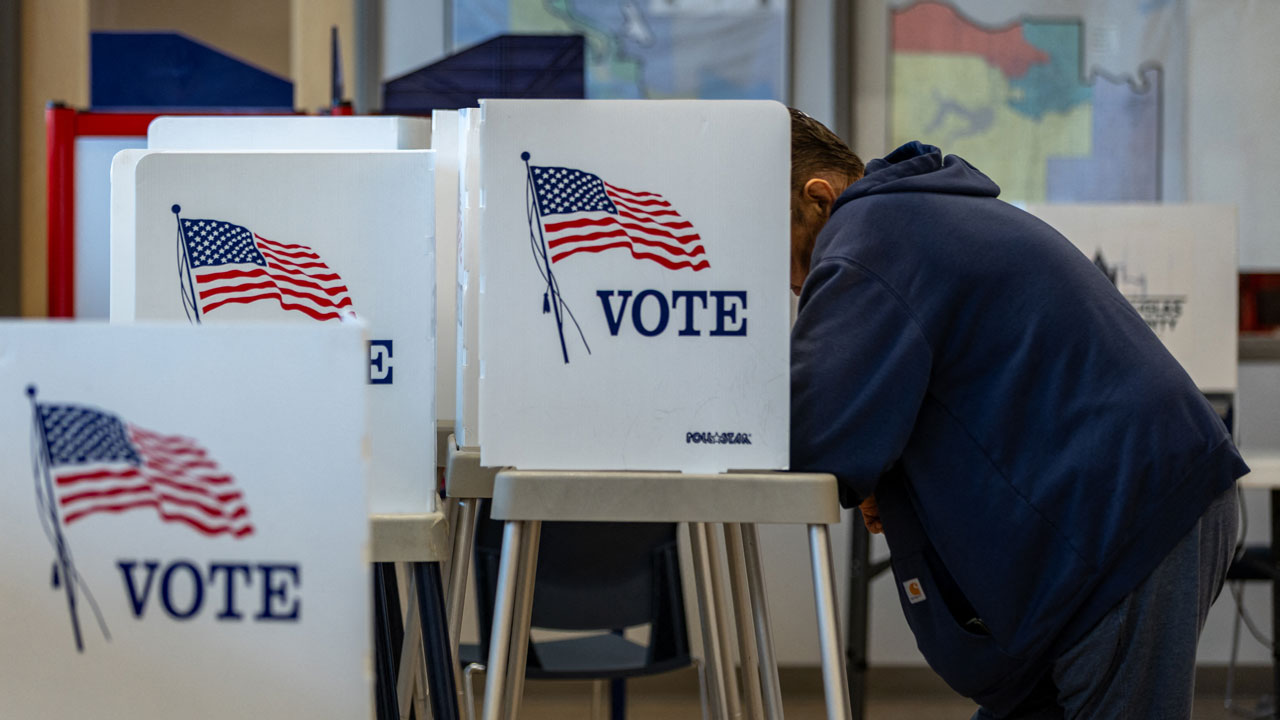
Because the General Assembly passed the proposed constitutional amendment for the first time well after voters had begun casting ballots during early voting in the previous 2025 election, the court majority noted “that 1.3 million Virginians were denied their constitutional rights to have a voice in the debate over whether their Constitution should be amended — thereby eroding one of the core rights that Article XII, Section 1 was intended to safeguard.”
The aftershocks of this political earthquake in Virginia will shake Democrats in the District of Columbia and across the nation. The Democrats will no longer be able to rely on the additional four seats they have been counting on to blunt GOP gains and help take over the House of Representatives in 2026. And with the recent case of Louisiana v. Callais that outlawed racial gerrymandering, the Democrats are on their heels, having counted on California and Virginia to withstand losses in other states.
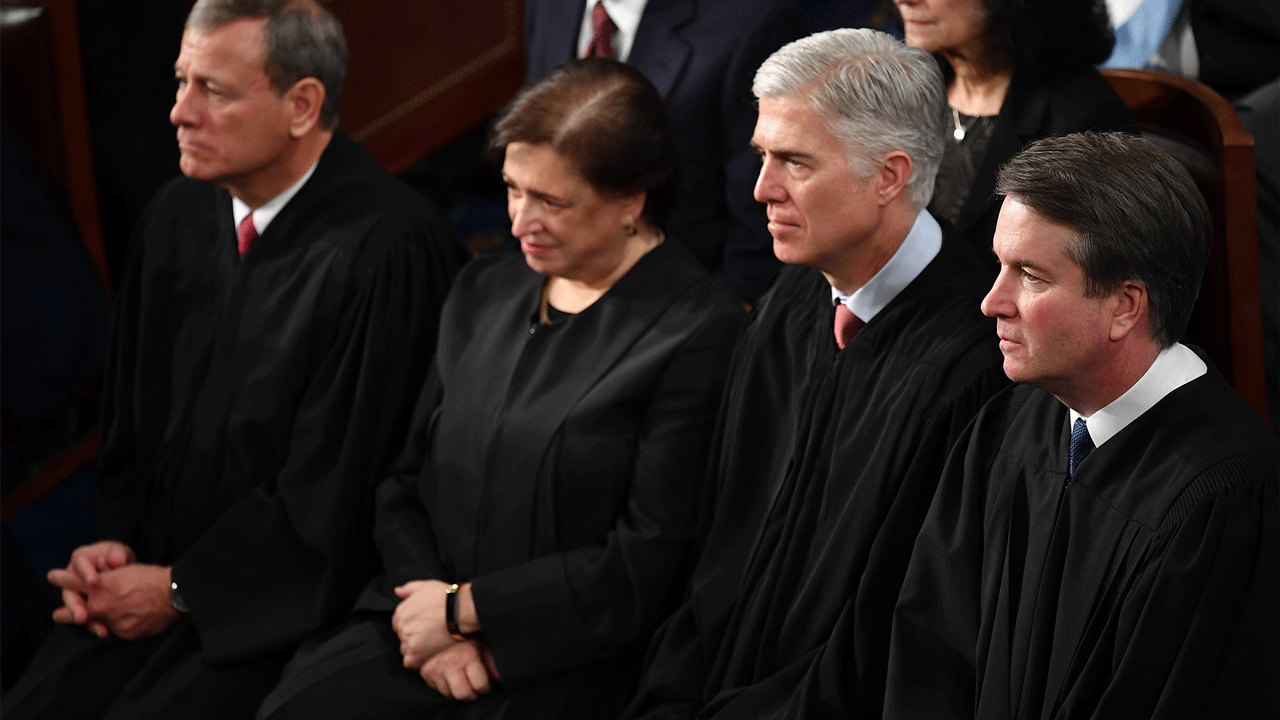
The U.S. Supreme Court’s recent end to race-based gerrymandering has upended the legal framework for political districting that had been in place for the past 50 years. As a result, Florida and Tennessee have already moved to adjust their maps, while lawmakers in Alabama, South Carolina, and Mississippi are reviewing the ruling and weighing swift action to bring their districts into compliance with the Constitution.
Momentous political events have happened over the past month since the ground-breaking Callais decision. Despite the delay in the issuance of the opinion by the Supreme Court minority, conservatives and GOP legislators have started the late push for fair and constitutional district lines across the country.
Just prior to the Callais decision, Florida Gov. Ron DeSantis called a special session to redraw the congressional lines and added four additional Republican-leaning seats to represent the state in Congress. Tennessee Gov. Bill Lee was next to call the state legislature into session, and the legislature promptly passed a new map over opposition that eliminated the seat of Congressman Steve Cohen in Memphis.
Alabama lawmakers are now likely to vote on new district maps to comply with the Voting Rights Act, a change that would shift representation from five Republican and two Democratic to six Republican and one Democratic and could trigger new elections. Because South Carolina and Mississippi also have racially focused congressional districts, they may be next to revise their maps and ensure maximum representation under the law.
Adam Kincaid, a prominent redistricting strategist serving as the president and executive director of the National Republican Redistricting Trust summed up the ruling as a fiasco: “Democrats were already at a cash disadvantage. Then they set $70 million on fire in a pursuit of an unconstitutional gerrymander.”
More from this network:
Domains for Sale · GOTPeople.org · TheDSAPlatform · The Truth About Socialism
What's Your Reaction?
 Like
0
Like
0
 Dislike
0
Dislike
0
 Love
0
Love
0
 Funny
0
Funny
0
 Wow
0
Wow
0
 Sad
0
Sad
0
 Angry
0
Angry
0

I am just an average American. My teen years were in the late 70s and I participated in all that that decade offered. Started working young, too young. Then I joined the Army before I graduated High School. I spent 25 years in, mostly in Infantry units. Since then I've worked in information technology positions all at small family owned companies. At this rate I'll never be a tech millionaire. When I was young I rode horses as much as I could. I do believe I should have been a cowboy. I'm getting in the saddle again by taking riding lessons and see where it goes.
Premium domains for sale




















Comments (0)