

Muslim Brotherhood, CAIR, and US Elections: What to Know
Premium domains for sale
Freedom Is Back In Style
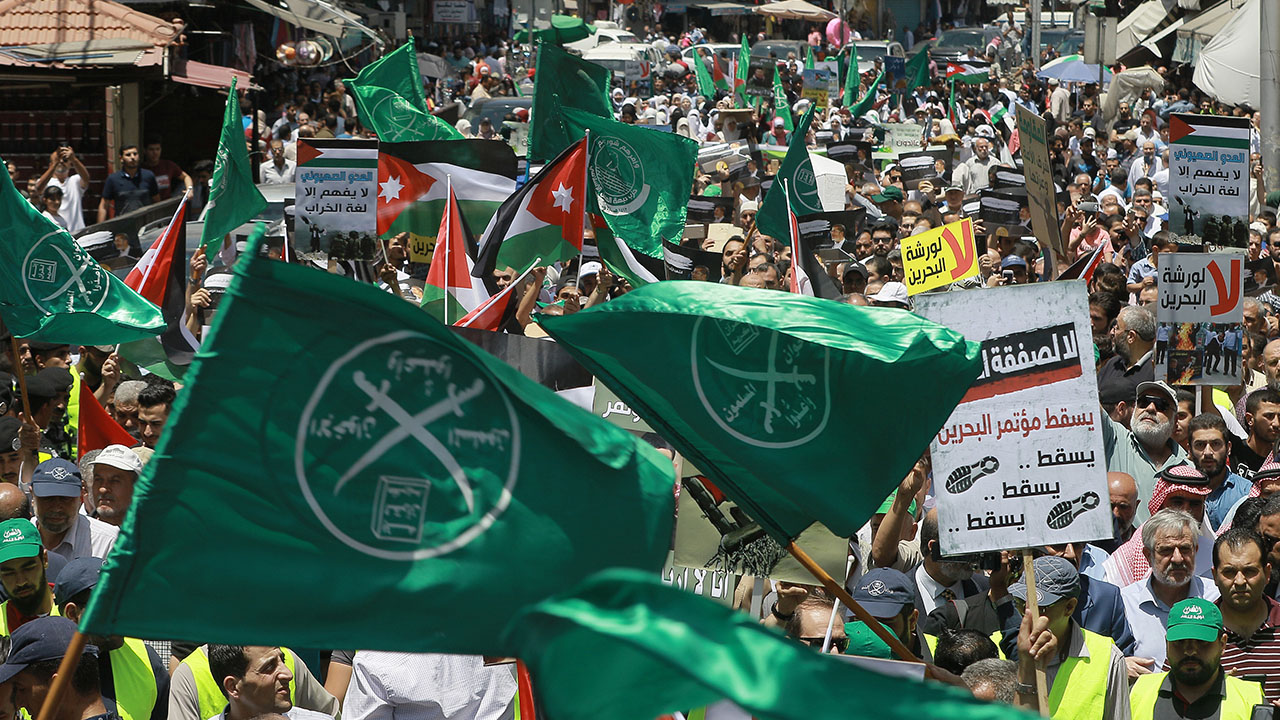
As Muslim’s have become more politically organized, Muslim advocacy organizations have also become increasingly involved in American politics and elections. Among the organizations that have drawn significant scrutiny are the Muslim Brotherhood and the Council on American-Islamic Relations, or CAIR.
Freedom Is Back
In Style
Premium domains for sale
Understand the history of these organizations, their relationships with foreign terrorist groups and the controversy surrounding them can provide context for why they have become part of political debates and why more voters need to pay attention to candidates with connections to them.
The Muslim Brotherhood
The Muslim Brotherhood is a transnational Sunni Islamist organization that was founded in Egypt in 1928 that views Islam as a complete social, religious, and political system that should govern both public and private life.
The Brotherhood’s influence has extended beyond Egypt, with affiliated movements and organizations developing throughout the Middle East and other parts of the world.
The Muslim Brotherhood became prevalent in America in 2004 after the FBI released the Muslim Brotherhood Memorandum of 1991, which outlined how Islam would take over the West through “Civilization Jihad.”
The memorandum outlined multiple organizations that the Muslim Brotherhood would control in order to spread Islam throughout the entire West, including creating a coalition of Muslim organizations and establishing Islamic centers in every city. The organizations would disseminate Muslim Brotherhood propaganda through various channels including the Islamic Society of North America, the Muslim Student Association, and the Islamic Circle of North America.
Muslim organizations identified in the document have since disputed claims that they are controlled or part of the Muslim Brotherhood.
One organization that has faced particular scrutiny over its alleged connections to the Brotherhood is CAIR.
What Is CAIR?
The Council on American-Islamic Relations, founded in 1994, is an Islamist organization that focuses on Muslim civil rights and advocacy. CAIR says its work focuses on protecting the civil rights of Muslims, combating discrimination, and promoting understanding of Islam and Muslims.
The organization has also become involved in American politics, including voter registration, candidate forums, voter education and get-out-the-vote efforts.
CAIR’s history has nevertheless made it a subject of controversy.
During the federal prosecution of the Holy Land Foundation for Relief and Development, prosecutors presented evidence concerning a network know as the Palestine Committee, which was established by individuals associated with the Muslim Brotherhood to support the Palestinian cause and Hamas.
CAIR emerged as an unindicted co-conspirator when evidence presented in the case included a wiretapped 1993 meeting of Palestine Committee leaders in Philadelphia showing that the Hamas support network established CAIR to defend its front groups via both information warfare and lawfare.
After opening its first office in Washington D.C., CAIR, received a grant from the Holy Land Foundation for Relief and Development, a charitable organization that was closed and was designated a Specially Designated Global Terrorist by the United States Department of the Treasury for funding jihadist terrorist organizations, according to a House Resolution.
CAIR has repeatedly said they do not support acts of terrorism “whether carried out by al-Qa’ida, the Real IRA, FARC, Hamas, ETA, or any other group.”
The organization also says that they are not connected to the Muslim Brotherhood, saying the “so-called 1991 ‘Muslim Brotherhood memo’ has nothing to do with CAIR. The document never mentions our organization, which wasn’t even founded until 1994.”
CAIR and Hamas
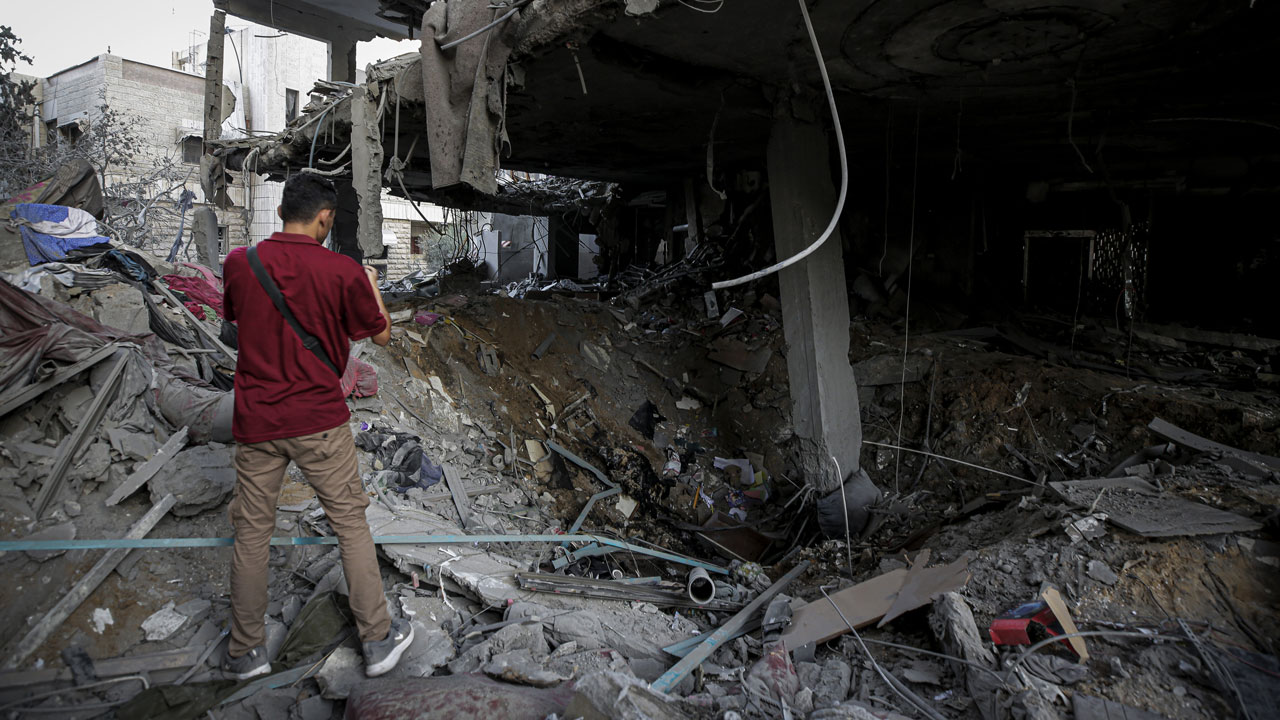
CAIR has repeatedly been connected to the Islamist terrorist organization, Hamas, which has carried out horrific terrorist attacks, including the Oct. 7, 2023, attack that killed more than 1,000 people in Israel.
One point frequently cited is the history of some of CAIR’s founders and their connections to the Islamic Association of Palestine, an organization that prosecutors found to be linked to the Palestine Committee network.
CAIR has been linked to Hamas from one of its founders, Nihad Awad, publicly saying he supported Hamas. Another connection comes from the fact that CAIR’s founders have documented connections with the Islamic Association of Palestine, an organization involved in the Palestine Committee Network, which was used to support Hamas’ efforts.
In October 2000, at a large CAIR rally in Washington, D.C., featured speaker Abdurahman Alamoudi, later a convicted terrorist and Al Qaeda financier, publicly expressed support for both Hamas and Hezbollah as the crowd cheered him on.
Additionally, during a Nov. 24, 2023, speech, Awad, who is the executive director of CAIR, said he was happy to see the people of Gaza “break the siege,” during the Oct. 7 terror attacks.
The debate of CAIR and Hamas connections has also entered the political arena.
In 2025, Republican U.S. Rep. Randy Fine of Florida introduced H.R. 4097 which would have designated CAIR as a terrorist organization. Fine’s resolution released more information about CAIR and its ties to terrorist organizations.
CAIR has rejected all of those allegations.
Why It Matters in Elections
CAIR’s political activity has become more relevant as the Muslim population rises and voters have become more organized and engaged in American elections.
Because CAIR has a political arm that endorses candidates and engages in voter mobilization and policy advocacy targeting Muslim voters, it has raised questions over its relationships with Hamas and other terror organizations.
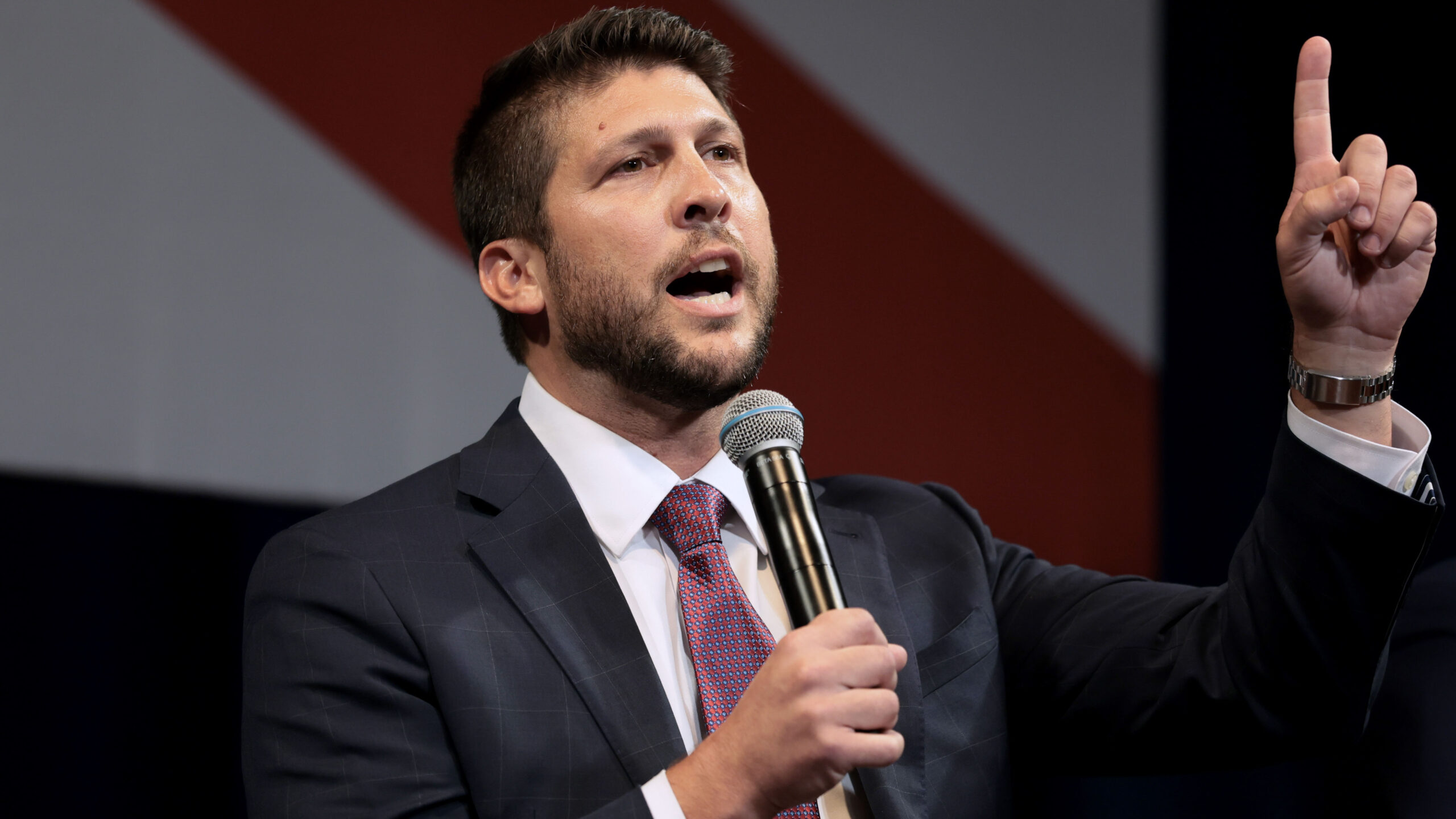
One recent example is Michigan Democratic Senate candidate Abdul El-Sayed, whose campaign has faced questions over his connections to Muslim political organizations.
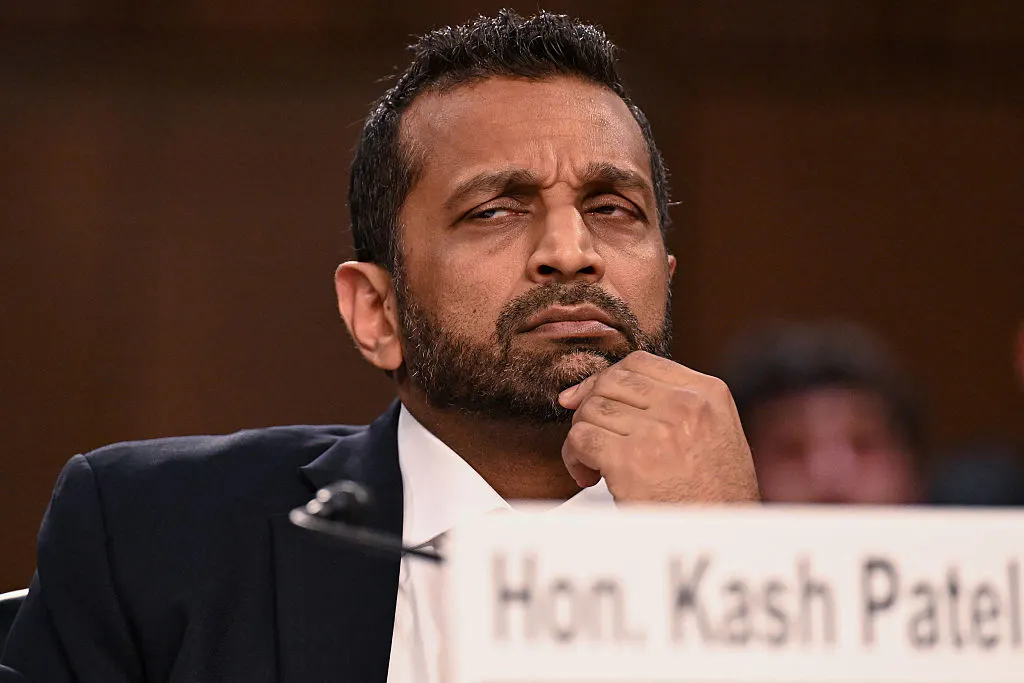
Center for Security Policy counterterrorism analyst Kyle Shideler testified before the Senate that El-Sayed’s candidacy raised national security concerns because of his connections to Emgage, a Muslim political organization focused on voter engagement.
“[Emgage] was created by a former CAIR member who at one time was on a terror watchlist, and was also a consultant to convicted terrorist Sami al-Arian,” Shideler said.
The allegations surrounding El-Sayed and Emgage illustrate the broader political debate surrounding Muslim advocacy organizations, as to what voters should know about the organizations and the candidate’s histories and relationships.
For voters, understanding those relationships can provide additional context when evaluating the organizations involved in political campaigns, the issues they advocate for, and the candidates who engage with them.
The Daily Signal reached out to CAIR for comment but had not heard back before publication time.
More from this network:
Domains for Sale · GOTPeople.org · TheDSAPlatform · The Truth About Socialism
What's Your Reaction?
 Like
0
 Dislike
0
 Love
0
 Funny
0
 Wow
0
 Sad
0
 Angry
0

I am just an average American. My teen years were in the late 70s and I participated in all that that decade offered. Started working young, too young. Then I joined the Army before I graduated High School. I spent 25 years in, mostly in Infantry units. Since then I've worked in information technology positions all at small family owned companies. At this rate I'll never be a tech millionaire. When I was young I rode horses as much as I could. I do believe I should have been a cowboy. I'm getting in the saddle again by taking riding lessons and see where it goes.
Premium domains for sale




Comments (0)