

Ortega’s ‘Revolution’ Threatens America And We Ignore It At Our Peril
Premium domains for sale
Freedom Is Back In Style
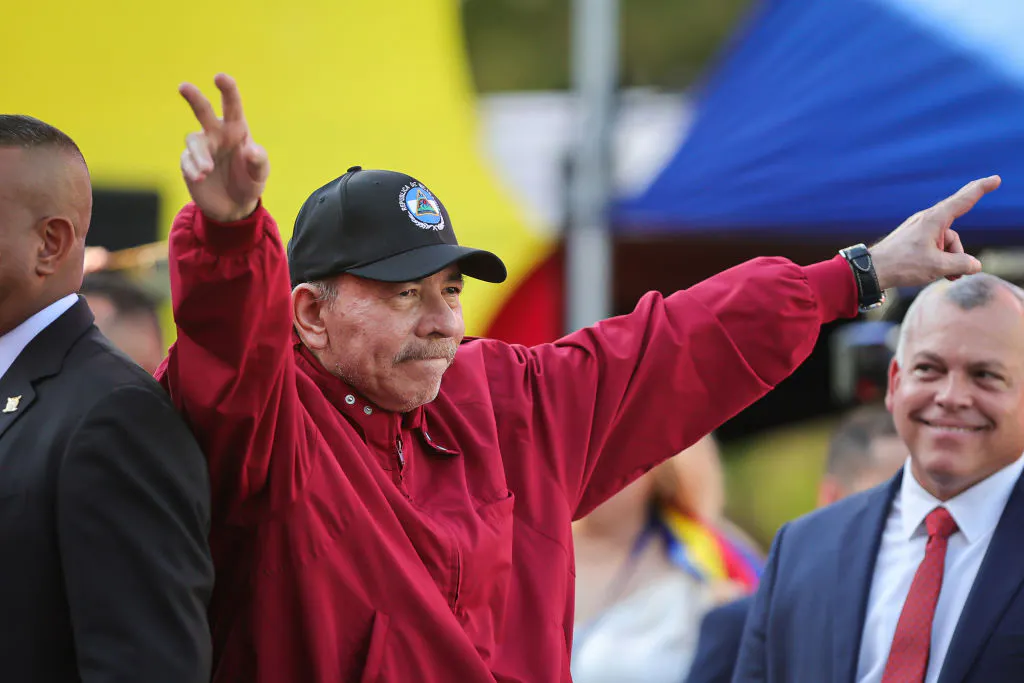
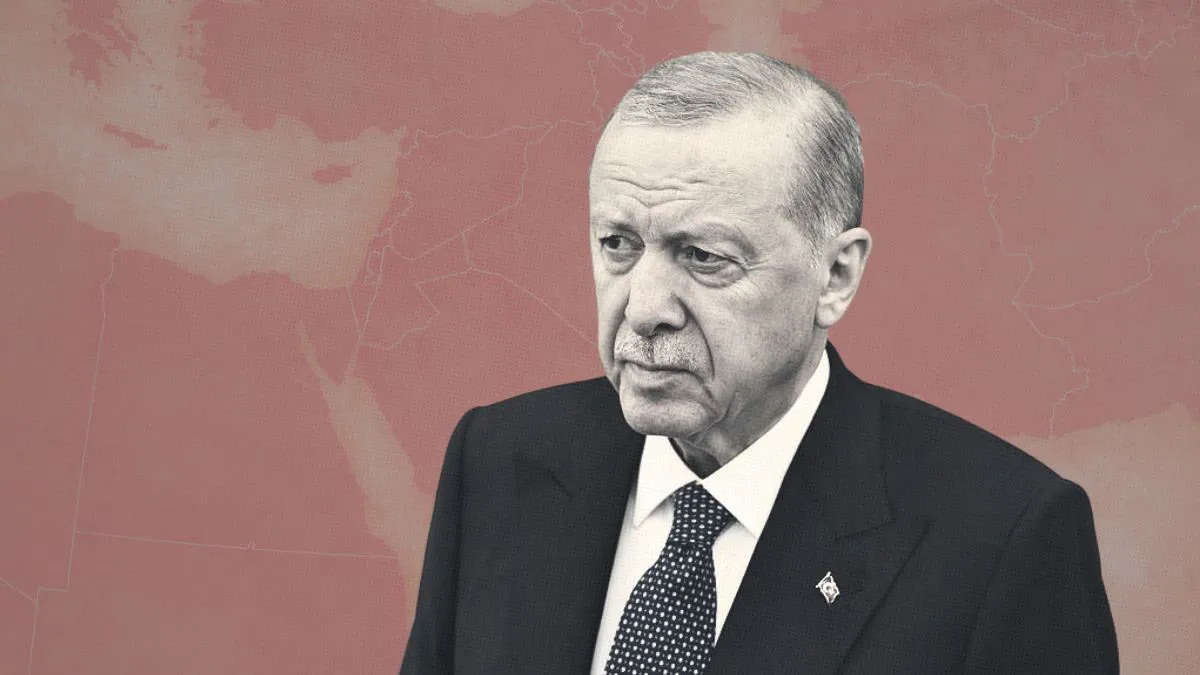
On July 19, Nicaraguan President Daniel Ortega commemorated the 47th anniversary of the Sandinista Revolution, which brought him to power in 1979. To celebrate, he publicly declared that there will never again be elections in Nicaragua.
Freedom Is Back
In Style
Premium domains for sale
Subtlety has apparently gone out of style in Managua.
He didn’t attempt to preserve appearances as dictators usually do. The Soviet Union held elections. Cuba holds them. Venezuela stages them. Russia votes. Iran votes. Even North Korea stages single-candidate elections that produce near-unanimous results. None of these contests offers voters a genuine opportunity to remove those in power, but the ritual of voting survives because even the most ruthless dictators like to claim that the people have spoken.
Not Ortega.
Standing before thousands of supporters, he asserted that the Sandinistas will never again be voted out of power. Elections were scheduled for November 2027. Instead, lawmakers in his captive National Assembly are now working on a plan to implement this order.
Ortega is 80 years old. He has been abusing and terrorizing his citizens longer than I have been alive. Ronald Reagan called him out. He is the last of the Mohicans, the only Cold War “caudillo” still clinging to power in the Americas.
But this is not the conduct of a confident man; it is the behavior of a coward. Elections are only dangerous to rulers who know they will lose.
If Ortega believed his people supported the revolution, he’d let them vote for it. If socialism had delivered the prosperity, dignity and justice it promised, the regime would be confident of getting re-elected. Instead, Ortega has concluded that the only safe election is one that never takes place.
Ortega is no fool. He can read the writing on the wall. For years, he looked across Latin America and saw ideological buddies almost everywhere he looked: the Castros and now Díaz-Canel in Cuba, Chávez and then Maduro in Venezuela, Petro in Colombia, López Obrador in Mexico. That landscape has changed. Argentina, El Salvador, Ecuador, Chile, Bolivia, Costa Rica, and, most recently, Peru and Colombia have all demonstrated that even long-entrenched political movements can be defeated.
No one abolishes elections because they think they can win them; they abolish them because they’re scared they can’t.
It would be easy for Americans to shrug this off as just another faraway crisis from another small Central American country. Let Nicaraguans worry about Nicaragua. However, putting America first means we can’t turn a blind eye to developments that directly affect America’s security, prosperity, and sovereignty.
One of Washington’s enduring mistakes has been treating authoritarianism in Latin America primarily as a humanitarian concern. It is certainly that. But it is also a national security concern. Dictatorships are more likely to produce displacement, drive migration, weaken regional stability, and create opportunities for hostile foreign powers to establish a foothold in our hemisphere.
The State Department has described the Ortega-Murillo regime as receiving assistance from Russia, China, and Cuba. U.S. Southern Command has repeatedly warned that China and Russia support the authoritarian regime in Nicaragua. Russia has made port visits to Nicaragua. America’s competitors are uniquely interested in gaining access to America’s backyard.
The Cuban Missile Crisis was not terrifying just because the Soviet Union possessed nuclear missiles. It was terrifying because the missiles were only 90 miles from Florida. A threat does not always have to become larger to become more dangerous; it only has to come closer.
Ortega has done Americans one unintended service: He has reminded us that we ignore our own hemisphere at our peril. Americans have learned this hard lesson before, but Washington has a habit of forgetting lessons once the people who learned them retire.
For much of the past generation, the American foreign-policy establishment became expert in the politics of places thousands of miles away while treating its own neighborhood as an afterthought. Many in Washington can tell you all about the politics of Eastern Europe or the South China Sea but can’t even point to Nicaragua on a map.
The Monroe Doctrine was a recognition that foreign powers establishing influence in this hemisphere could eventually threaten America’s “peace and safety.” We must pay attention to our own neighborhood.
America does not have to solve every country’s problems, but we can’t afford to ignore a hostile dictatorship that just installed itself permanently next door.
Every hemispheric problem eventually becomes an American problem. We learned that from Venezuela. We are learning it from Cuba. We have learned it from migration crises, criminal cartel organizations, and foreign adversaries seeking influence in the region most important to our national security.
We can’t afford to forget it again.
What happens in Managua does not stay in Managua.
***
Melissa Ford Maldonado serves as director of the Western Hemisphere Initiative at the America First Policy Institute.
More from this network:
Domains for Sale · GOTPeople.org · TheDSAPlatform · The Truth About Socialism
What's Your Reaction?
 Like
0
Like
0
 Dislike
0
Dislike
0
 Love
0
Love
0
 Funny
0
Funny
0
 Wow
0
Wow
0
 Sad
0
Sad
0
 Angry
0
Angry
0

I am just an average American. My teen years were in the late 70s and I participated in all that that decade offered. Started working young, too young. Then I joined the Army before I graduated High School. I spent 25 years in, mostly in Infantry units. Since then I've worked in information technology positions all at small family owned companies. At this rate I'll never be a tech millionaire. When I was young I rode horses as much as I could. I do believe I should have been a cowboy. I'm getting in the saddle again by taking riding lessons and see where it goes.
Premium domains for sale






Comments (0)