

Scientists Win Nobel Prize For Turning Brain Cells On And Off. It Began With Pond Scum.
Premium domains for sale
Freedom Is Back In Style
A trio of scientists whose discoveries allowed researchers to control the activity of brain cells with light won the Nobel Prize in medicine on Monday.
Freedom Is Back
In Style
Premium domains for sale
It all started with pond scum, or green algae.
Stanford’s Karl Deisseroth, 54, and German researchers Peter Hegemann, 71, of Humboldt University of Berlin, and Georg Nagel, 73, of the University of Würzburg, will share roughly $1.2 million for discoveries that led to optogenetics, a mind-bending technique that allows scientists to activate or silence selected nerve cells using light.
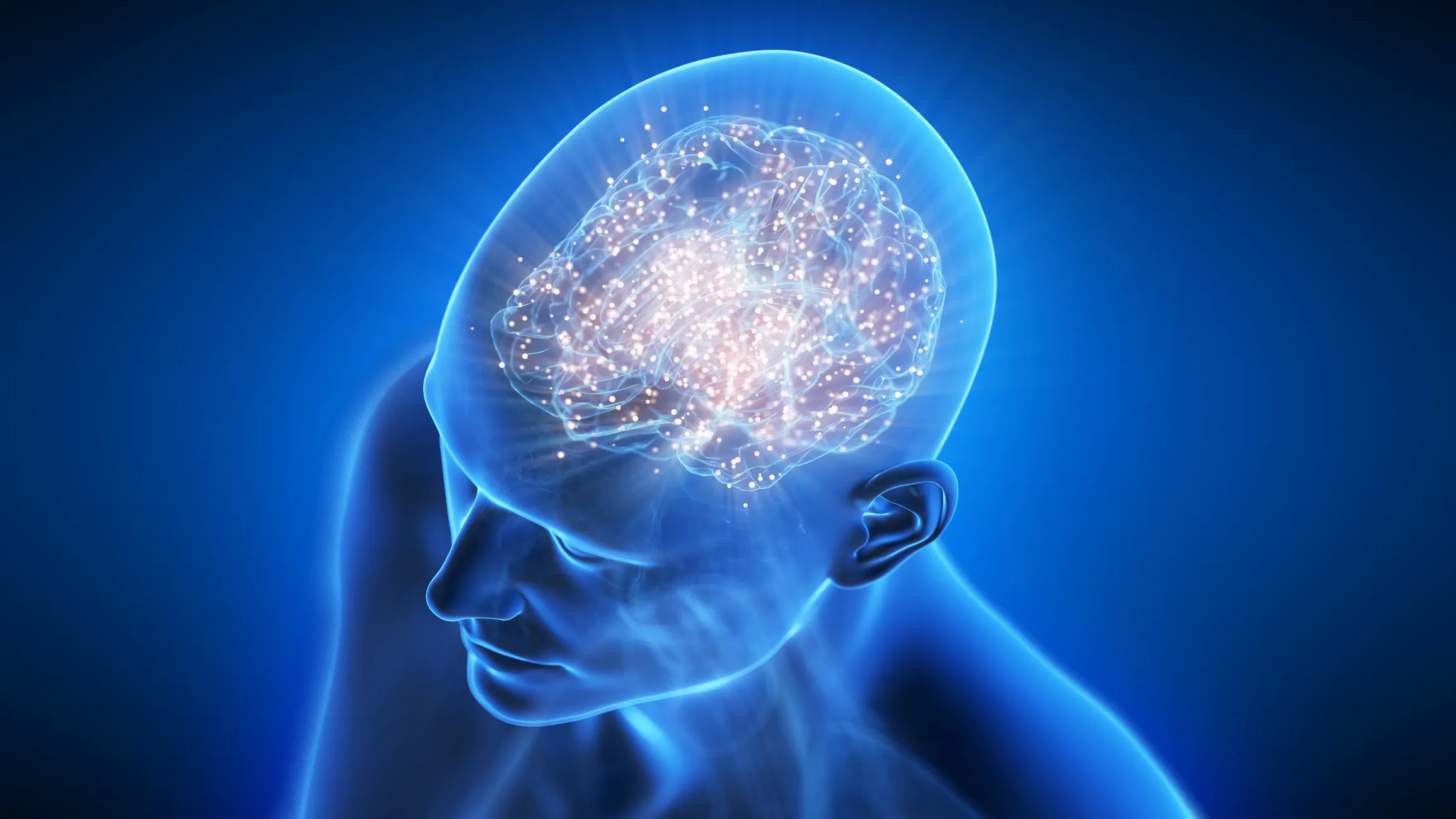
The technique has helped researchers identify how specific brain circuits influence behavior and disease, opening possible paths to new treatments.
For Deisseroth, who has called the brain “the most complicated object in the universe,” the award came as a surprise.
He had been up late working on papers and emailing his students. He’d just laid down and was drifting off when the phone rang beside his bed.
“I lost the ability to form words for about 30 seconds or so,” he said, according to Stanford.
The discovery grew out of Hegemann’s research into how a single-celled green alga responds to light. Working with Nagel, he identified a protein that acts like a light-activated gate, allowing electrically charged particles to pass through a cell’s membrane.
Brain cells don’t normally respond to light. So Deisseroth borrowed what he calls “a trick from nature.”
In 2005, Deisseroth’s Stanford lab used the algae protein to make rat brain cells respond to blue light. The neurons fired on command.
The technique allowed scientists to control specific brain circuits in living animals and observe what happened. Labs around the world adopted it to study fear, memory, hunger, addiction, sleep, and depression.
Researchers are also exploring medical applications.
In an early clinical trial, a man blinded by an inherited eye disease regained some vision after optogenetic treatment. Deisseroth says other researchers are pursuing possible treatments for autism and schizophrenia based on what optogenetics has revealed.
“Optogenetics is an engine for discovery,” Deisseroth said.
He said identifying the cells involved in a symptom could help researchers find ways to treat it.
“Once you know the cells that are causal, that actually matter for a symptom or for correcting a symptom, you can devise medications or other methods that target those cells.”
Asked how he planned to celebrate, Deisseroth had another plan: “Get back to work.”
More from this network:
Domains for Sale · GOTPeople.org · TheDSAPlatform · The Truth About Socialism
What's Your Reaction?
 Like
0
Like
0
 Dislike
0
Dislike
0
 Love
0
Love
0
 Funny
0
Funny
0
 Wow
0
Wow
0
 Sad
0
Sad
0
 Angry
0
Angry
0

I am just an average American. My teen years were in the late 70s and I participated in all that that decade offered. Started working young, too young. Then I joined the Army before I graduated High School. I spent 25 years in, mostly in Infantry units. Since then I've worked in information technology positions all at small family owned companies. At this rate I'll never be a tech millionaire. When I was young I rode horses as much as I could. I do believe I should have been a cowboy. I'm getting in the saddle again by taking riding lessons and see where it goes.
Premium domains for sale

























Comments (0)