

The 20-Mile Storm Buffer That Could Be Key In Florida Jet Crash
Premium domains for sale
Freedom Is Back In Style
A veteran pilot says investigators examining the deadly Florida Learjet crash should take a close look at the aircraft’s proximity to a thunderstorm, including whether the crew maintained enough distance from dangerous weather before the plane plunged from the sky.
Freedom Is Back
In Style
Premium domains for sale
During a recent interview, Steve Scheibner, a former airline pilot and host of the Captain Steeeve YouTube channel, identified several troubling details in the crew’s radio communications leading up to the crash. These included reports of icing, moderate turbulence, and precipitation at approximately 35,000 feet.
“The place they need to focus in on first is the environment,” Scheibner said. “It looked like they flew into a thunderstorm, and the weather conditions I think are gonna have a big factor with why that airplane dropped out of the sky.”
MIDTERM ELECTIONS LIVE: AMERICA PICKS SIDES WITH CONGRESS ON THE LINE
The National Transportation Safety Board (NTSB) has said it is too early to determine whether the jet flew through an active thunderstorm.
The aircraft’s crew had reported managing icing conditions and experiencing turbulence before requesting permission to climb to 37,000 feet. Scheibner said that the reported altitude fluctuations were concerning.
“She says later on that they’re experiencing moderate turbulence and that the aircraft is losing or gaining plus or minus 700 feet,” Scheibner explained during their conversation. “That’s extraordinary. I would call that severe turbulence, not moderate turbulence.”
Scheibner also questioned whether the crew had recognized the approaching storm on their weather radar and whether air traffic control played a role in the aircraft’s flight path.
“The pilots should have seen that on their radar scope and avoided it,” he said of the storm. “The FAA rule is 20 nautical miles away from any known thunderstorm, so you have to stay 20 nautical miles away. So you don’t try to fly over it and you certainly don’t fly through it.”
The FAA advises pilots to stay at least 20 miles away from thunderstorms identified as severe or producing intense radar echoes. That buffer is published guidance rather than a blanket federal regulation covering every thunderstorm.
Scheibner also said icing could have contributed to the plane’s loss of control and suggested investigators examine that possibility, particularly given the crew’s earlier reports of icing and precipitation.
“If I was the NTSB investigating this, I would be looking at the icing component of it,” he said.
The aircraft reportedly fell from about 35,000 feet to under 9,000 feet in roughly one minute, with the crew declaring an emergency during the rapid descent.
Scheibner cautioned that investigators still have significant questions to answer, including whether the aircraft’s radar was functioning, whether the pilots recognized the severity of the weather, and whether air traffic control directed them toward the storm.
“We don’t know what happened to this,” he said. “The NTSB’s gonna look at the airplane, they’re gonna look at the pilots, and they’re gonna look at the environment.”
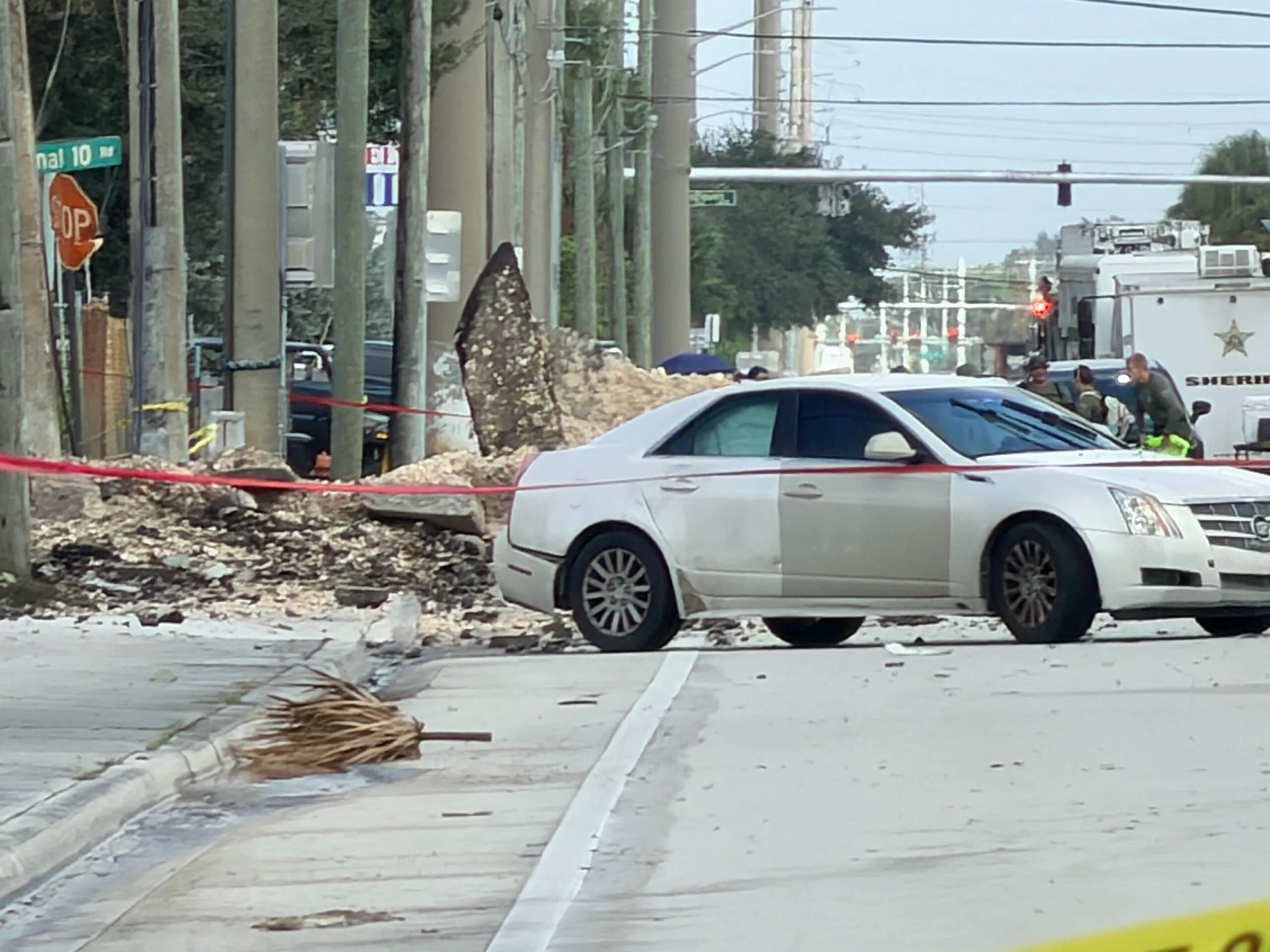
The crash occurred Sunday near West Palm Beach as the jet traveled from Austin, Texas, to the Bahamas. All nine people aboard were killed in the crash. Those aboard included tech entrepreneur Adam Robinson and his wife, Helen Sharp; their two young children; the children’s caregiver, Anita Maria Cetina; family friends Charmi Fehr and Rachael Reed; veteran pilot Captain Jeff Gregory; and 20-year-old co-pilot Nathalia Filgueiras.
More from this network:
Domains for Sale · GOTPeople.org · TheDSAPlatform · The Truth About Socialism
What's Your Reaction?
 Like
0
 Dislike
0
 Love
0
 Funny
0
 Wow
0
 Sad
0
 Angry
0

I am just an average American. My teen years were in the late 70s and I participated in all that that decade offered. Started working young, too young. Then I joined the Army before I graduated High School. I spent 25 years in, mostly in Infantry units. Since then I've worked in information technology positions all at small family owned companies. At this rate I'll never be a tech millionaire. When I was young I rode horses as much as I could. I do believe I should have been a cowboy. I'm getting in the saddle again by taking riding lessons and see where it goes.
Premium domains for sale

















Comments (0)