

The College Tradition That’s Gone Way Too Far
Premium domains for sale
Freedom Is Back In Style
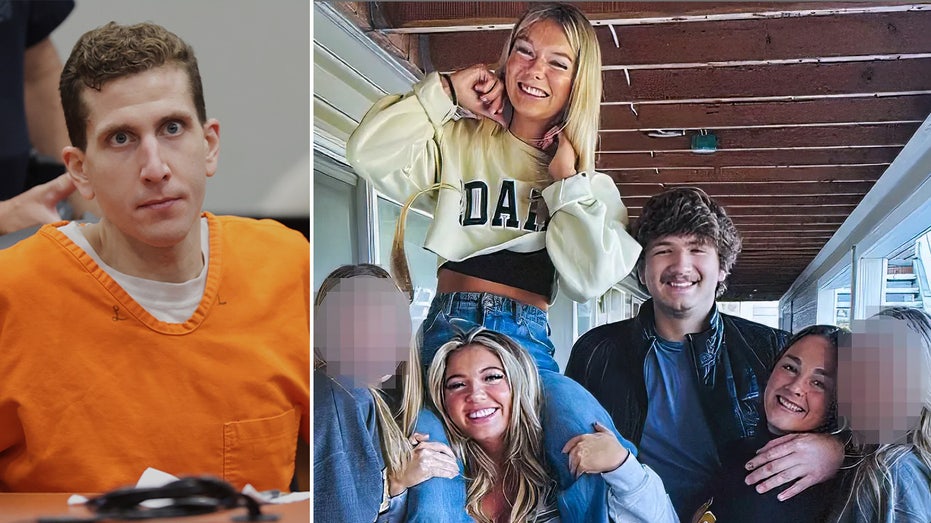
Jane Doe’s lawsuit states that the 20-year-old had consumed 10 drinks in the three hours before entering the Chi Phi fraternity house on Oct. 19, 2024. The drinks included multiple hard liquor shots at her sorority and then drinks at two downtown bars.
Freedom Is Back
In Style
Premium domains for sale
What she says happened next — that seven men plied her with ketamine and raped her for hours — is now in the hands of a special prosecutor, New York Attorney General Letitia James. Lawyers for several of the men deny her claims, and ultimately a court will decide what is true.
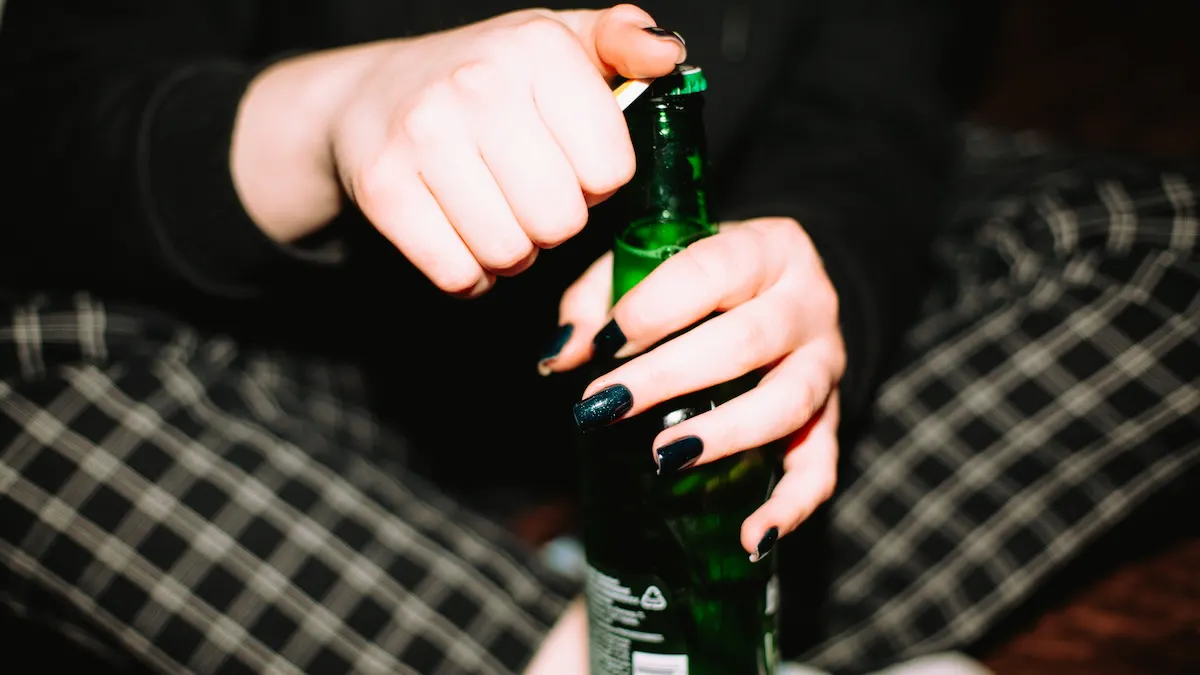
However, one part of the story isn’t in dispute, though few are focusing on this detail: the night in question was built around binge drinking.
The national conversation has been deeply focused on other things, including vile group chat that no one wants to reread. All of it matters and deserves scrutiny, but alcohol keeps appearing in this story as background information when it’s actually the main character.
I spent four years on a “party school” campus at Indiana University, and I know the college drinking culture well. I know it so well that it’s where I honed my problematic drinking skills that turned into 20 years of addiction. Six years ago, I finally gave up alcohol for good. But, watching stories like the Cornell case unfurl reminds me of the sickening permission we give undergrads to drink without boundaries — as if it’s their right in life to be young and stupid.
The Cornell case is, in a foundational way, a story about this kind of binge drinking. It’s about the way overconsumption of alcohol is sanctioned, promoted, and celebrated on college campuses without question.
Drunkenness cannot be a scapegoat for rape or any other poor decision. Of course, alcohol doesn’t rape anyone and those who rape are responsible for rape, drunk or sober. Furthermore, a woman’s drinking never makes her assault her fault. But saying “it’s not her fault” doesn’t make alcohol harmless. Nor does it relieve young men and women of responsibility for what they do with their newfound freedom in young adulthood.
The research tells the story. Global public health data find that at least half of all sexual assaults on college campuses involve alcohol. Some studies find up to 70% include people under the influence, and the National Institute on Alcohol Abuse and Alcoholism says a “majority of sexual assaults in college involve alcohol or other substances,” noting that often these cases go unreported. Then we have this 2025 study comparing data from 73 four-year colleges that finds those with higher rates of binge drinking also have significantly higher numbers of reported rapes.
The alcohol factor also shapes what happens afterward. New York is one of 19 states where a person who gets drunk voluntarily cannot be considered legally “mentally incapacitated,” the provision the district attorney cited when he declined to prosecute. Some states have closed that loophole. But notice what the debate concedes here: Alcohol is so central to cases like this that it can be the deciding factor in whether a crime legally happened at all.
Alcohol also shapes the hero’s narrative that never emerged at Cornell. For example, a young man in Chi Phi may have been on the infamous Snapchat chain or just downstairs hearing rumors of what was going on. But, five beers deep, he found it far easier to ignore the chaos and head to bed. We know alcohol doesn’t erase anyone’s conscience, but it does make one’s conscience slower, quieter, and easier to leave on airplane mode.
Why aren’t we talking more about drinking? Every podcast and TikTok about this case mentions the drinking, but almost none substantially considers how much it influenced what happened in the first place. If these men and women had not been binge drinking, the odds of this situation occurring are slim.
This is partially because we’ve decided that college is a license to binge drink. About three in 10 full-time college students reported binge drinking in the past month, according to the most recent federal survey data. And we know that alcohol kills about 4,000 Americans under 21 every year, per the Centers for Disease Control and Prevention.
Why do we treat this like it’s unavoidable? It’s seen as regrettable, inevitable, and, really, no one’s fault. Campuses have built an entire “harm reduction” system around alcohol instead of questioning why it’s the main point of the Greek system. They’ve got posters reminding students to “drink responsibly,” online alcohol courses for rule breakers, and medical amnesty policies that protect students from discipline if they call for help when a friend is dangerously drunk.
It’s not that these things are bad, but the assumption is clear: College students drink too much. And fair or not, it puts women in unsafe and vulnerable positions and always has. The reluctance to name alcohol as a core problem of many rape scenarios is just drinking culture protecting itself.
We’re told that warning young women about alcohol puts the blame on them if they’re assaulted. But saying nothing only puts more of them in danger. It’s the men who count on women being too drunk to resist, remember, or be believed who benefit from our silence. And even in cases where some bit of consent is given, it doesn’t prevent a woman later questioning what happened, regretting it, or dealing with consequences of shame, guilt, or worse: STDs, pregnancy, or reputation-ruining rumors.
I think about this every fall in my hometown of Bloomington, Indiana, when I watch students stumble between bar crawls — the same ones I trudged to and from 20 years ago. In an infamous 2011 case, a 20-year-old Indiana University student named Lauren Spierer vanished there after a night of heavy drinking and has never been found.
I think, too, about my own young adult drinking years: all the rooms I put myself in where I could have been hurt. I may have been lucky or I simply don’t remember. As someone who frequently experienced alcohol blackouts — when you still appear conscious and functioning to those around you but lose entire chunks of memory from the night — that second possibility still frightens me. On multiple occasions, I had no memory of what had happened for hours the night before.
What would a reckoning against binge drinking college culture look like? Maybe it would be universities that stop treating drinking as the default social life and fund substance-free housing and recovery communities as seriously as they fund athletics. Perhaps Greek systems held to the law, not just slaps on the wrist. It could be parents who tell sons and daughters the plain truth: Alcohol is the most socially accepted drug in America, and it harms more young people than any other.
As for my own children, I will tell them addiction runs in our family, that alcohol is a publicly acceptable drug, and there’s so much more to dream, do, and learn in college. I don’t want them to waste their precious young lives inside sticky bars, in gross fraternities, or with people who would never protect them if they were in danger.
***
Ericka Andersen is the author of “Freely Sober: Rethinking Alcohol Through the Lens of Faith.”
This article is part of Upstream, The Daily Wire’s new home for culture and lifestyle. Real human insight and human stories — from our featured writers to you.
More from this network:
Domains for Sale · GOTPeople.org · TheDSAPlatform · The Truth About Socialism
What's Your Reaction?
 Like
0
Like
0
 Dislike
0
Dislike
0
 Love
0
Love
0
 Funny
0
Funny
0
 Wow
0
Wow
0
 Sad
0
Sad
0
 Angry
0
Angry
0

I am just an average American. My teen years were in the late 70s and I participated in all that that decade offered. Started working young, too young. Then I joined the Army before I graduated High School. I spent 25 years in, mostly in Infantry units. Since then I've worked in information technology positions all at small family owned companies. At this rate I'll never be a tech millionaire. When I was young I rode horses as much as I could. I do believe I should have been a cowboy. I'm getting in the saddle again by taking riding lessons and see where it goes.
Premium domains for sale






Comments (0)