

The Dangerous Business Of The $30,000 Victim Visa Fraud
Premium domains for sale
Freedom Is Back In Style
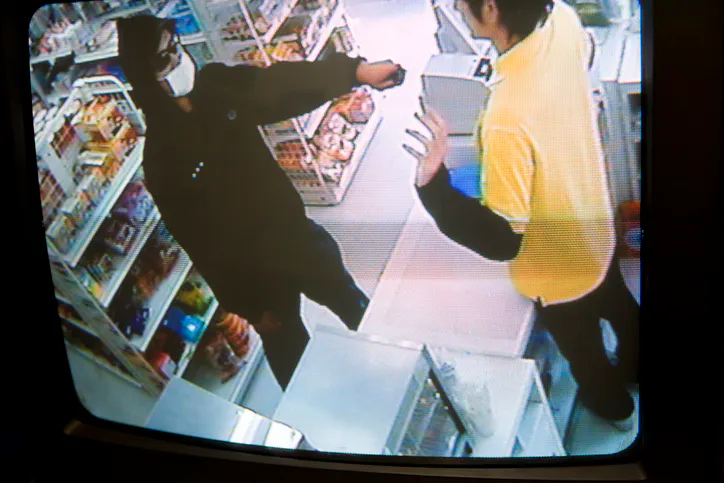
In July of 2023, a gunman entered a Chicago store and demanded money. The store was full of victims, and the clerk complied to get the robber out quickly.
Freedom Is Back
In Style
Premium domains for sale
And for a second, everything was going according to plan. But the gunman’s weapon accidentally shot the clerk in the abdomen.
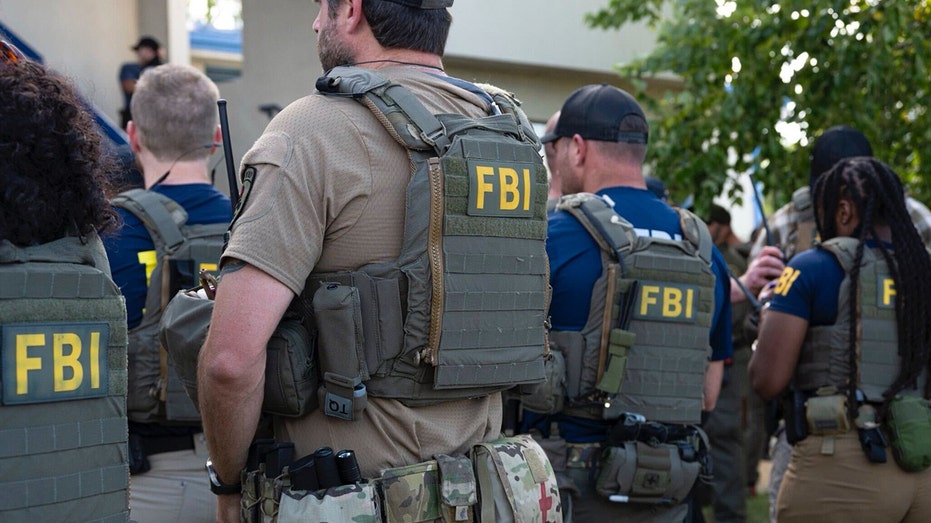
The scheme’s organizer, Parth Nayi, received two years in federal prison. But when federal investigators reviewed this case, they found out that this wasn’t your ordinary armed robbery.
It was a staged event.
Parth charged customers up to $30,000 to pose as crime victims for them to apply for the U visa program – a visa that allows immigrants to obtain a path to a green card if they are victims of a crime.
Hundreds of cases of immigration fraud like this have been reported nationwide.
Congress created the program in 2000 to encourage victims to report crimes and help authorities investigate them.
And the visa application bar is relatively high, as applicants must establish substantial physical or mental abuse from the crime, possess privileged information about it, and must demonstrate past, present, or likely future helpfulness to authorities.
An authorized official must also certify the person as a victim, and their help on the case.
The rationale was sound. Immigrants afraid of deportation for coming forward to the authorities may hesitate to report different crimes like domestic violence, trafficking, or sexual assault.
If that cooperation put more criminals in jail, then it was a win-win.
But this immigration pathway created a pervasive incentive to invent victimhood. The benefits of applying for U status are high for someone facing deportation, as it lets recipients remain and work in the country and even offers a potential path to permanent residence: after holding the status for three continuous years, they become eligible for a green card.
And of course, fraud brokers around the country have built crime syndicates around that incentive.
An illegal Indian national, Rambhai Patel, arranged at least 18 staged armed robberies, where store cameras recorded the performances, and willingly participating clerks waited until the supposed robber left the store before calling police. At least 2 U visa applicants have been caught participating in his scheme.
Patel was sentenced in Massachusetts in August 2025 and ordered to forfeit $850,000.
In Kansas City, a Mexican national staged 11 robberies involving at least 33 purported victims, 18 of whom submitted fraudulent U visa applications.
In Louisiana, a businessman and four law enforcement officials who served as three police chiefs and a marshal pleaded guilty to a scheme involving fabricated robbery reports. For almost 10 years, they charged customers to be victims of a crime, making them eligible for the U visa.
There’s enough evidence to say that this type of fraud has spread around multiple regions.
And unfortunately, American cities bear the costs of this crime scheme: officers respond to invented emergencies using taxpayer resources, detectives investigate false accounts that could be spent finding perpetrators of real crimes, and armed performances endanger any employees, non-participating customers, and the police who were called to put their lives on the line to defend those involved.
And during the Biden administration, Washington had issued a big warning. A January 2022 DHS memo audit identified 10 approved petitions containing forged, unauthorized, altered, or suspicious law enforcement certifications related to the U visa program.
But since then, the recommendations from the memo on certification controls and referral tracking have been closed.
Congress should demand evidence that fixes to the U visa program have worked since then. The U.S. Government Accountability Office still lists four open recommendations addressing USCIS’s agencywide fraud-risk assessments, strategy, evaluations, and performance measures.
As long as USCIS’s own guide says nationwide agencies can sign U visa certifications without an internal policy to prevent possible fraud, there’s no agency accountability for signing certifications. That should change.
Congress should establish nationwide written verification procedures, implement trained-signer status for officials, and set documented conditions for accepting those certifications. And on the visa processing side, before granting the benefits of a U visa, USCIS should re-verify the forms directly with the agencies that supposedly signed them.
While this sounds like a lot of work, the option is not to remove this U visa pathway. The visa is useful when used right.
The U visa program has protected victims who helped put violent criminals behind bars. Linda Mendoza, robbed at gunpoint while pregnant in her Oakland salon, received a U visa after cooperating with authorities; her testimony helped convict two robbers, and she later helped police identify another robbery suspect.
But Washington needs to know how often this protection for crime victims is being sold for fraudulent causes.
And now is the perfect time to stop this fraud: with the Trump administration’s recent immigration policies to deter misuse of visa programs, it could redirect resources to reexamine reforms to the U visa program so it benefits only real cases.
Congress and DHS now know this is a nationwide problem, and American communities should not have to absorb the danger of staged armed robberies so customers can purchase a claim to immigration relief.
***
Santiago Vidal Calvo is a Cities policy analyst at the Manhattan Institute.
More from this network:
Domains for Sale · GOTPeople.org · TheDSAPlatform · The Truth About Socialism
What's Your Reaction?
 Like
0
 Dislike
0
 Love
0
 Funny
0
 Wow
0
 Sad
0
 Angry
0

I am just an average American. My teen years were in the late 70s and I participated in all that that decade offered. Started working young, too young. Then I joined the Army before I graduated High School. I spent 25 years in, mostly in Infantry units. Since then I've worked in information technology positions all at small family owned companies. At this rate I'll never be a tech millionaire. When I was young I rode horses as much as I could. I do believe I should have been a cowboy. I'm getting in the saddle again by taking riding lessons and see where it goes.
Premium domains for sale













Comments (0)